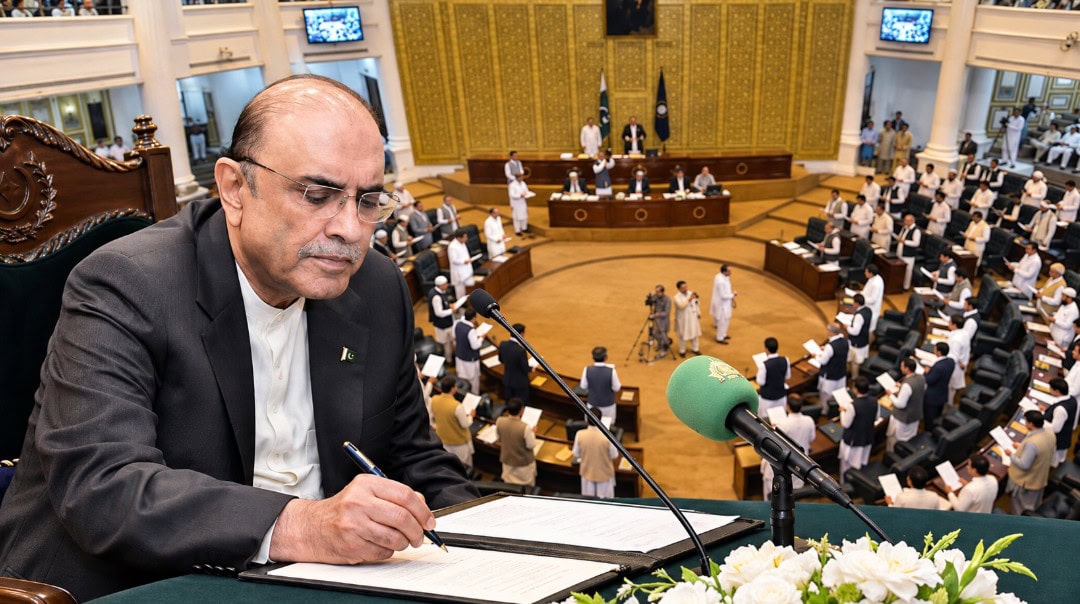
PESHAWAR – Khyber Pakhtunkhwa’s political leaders are facing the brunt after the imposition of Emergency and Governor’s Rule, and a new Presidential ordinance strips provincial lawmakers of key powers and privileges.
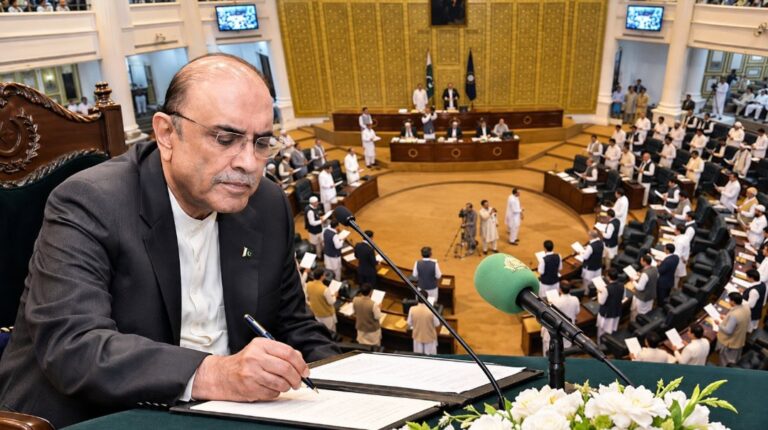
With 21 legal provisions abolished, KP Assembly members have lost protections against arrest and preventive detention, raising fresh questions about their remaining parliamentary rights. The Ordinance made changes to provisions governing the powers, immunities and privileges of KP Assembly members, changing the legal protections previously available to elected representatives.
The biggest political shock comes from amendments to the Khyber Pakhtunkhwa Provincial Assembly (Powers, Immunities and Privileges) Act, 2026. Through the newly issued ordinance, the federal authorities have removed more than half of the law’s provisions, including several that provided safeguards to assembly members facing arrest, detention or legal proceedings.
The changes end statutory provisions concerning preventive detention and the requirement to seek permission from the assembly speaker before arresting or detaining an MPA. Other removed sections addressed attendance of detained lawmakers at assembly proceedings, certain protections against civil and criminal action, and parliamentary powers relating to summons and arrests.
The government has also removed provisions dealing with breaches of parliamentary privilege, including the classification of such breaches as offences and procedures for taking legal action.
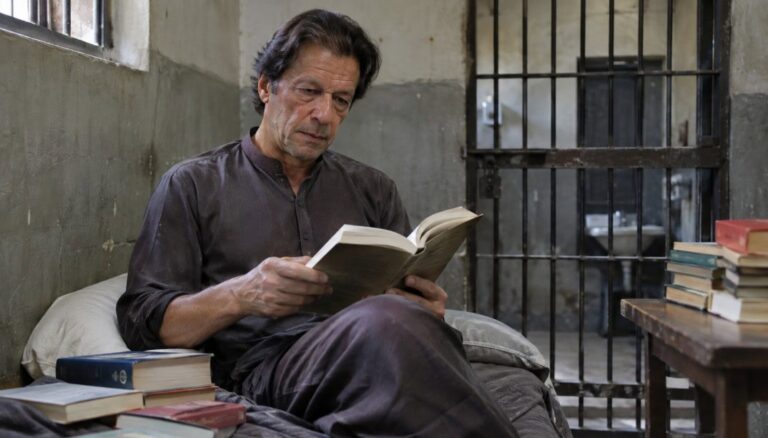
The removal of protections against preventive detention is particularly significant because it comes while key provincial leaders are already being held under restrictions imposed during the emergency. The ordinance changes the statutory protections available to lawmakers, although its precise implications for existing detention orders would depend on the applicable laws and any judicial proceedings.
KP Five Ordinances
The President’s Office confirmed on Saturday that five ordinances relating to Khyber Pakhtunkhwa had been promulgated. Four were published in the Official Gazette on November 19, introducing changes to parliamentary privileges, religious seminary registration and administrative arrangements for development projects.
The five ordinances are KP Provincial Assembly (Powers, Immunities and Privileges) Ordinance, 2026: Removes major statutory protections previously available to lawmakers. KP Special Initiative Ordinance, 2026 (Designated Districts): Establishes a mechanism for special projects in 12 security-sensitive districts.
President Zardari approves Major Legislative Package covering KP Assembly, HEC and Education Boards
It includes KP Special Initiative Ordinance, 2026 (Other Districts): Creates a similar system for the remaining districts, KP Societies (Registration) (Amendment) Ordinance, 2026: Revises registration requirements for religious seminaries, and KP Speaker and Deputy Speaker (Salaries, Allowances and Privileges) Ordinance, 2026: Concerns the salaries, allowances and privileges of the assembly’s presiding officers.
Beyond the reduction in lawmakers’ privileges, the ordinances introduce a separate administrative mechanism for development and reconstruction activities.
Under the new ordinances, executive committees will supervise special initiatives both within the designated districts and across the remainder of KP. The committee overseeing the 12 districts will comprise a chairman, vice chairman and additional members nominated by the prime minister.
For other districts, the provincial governor will nominate the corresponding committee members. Area Development Secretariat will provide secretarial support for projects in the designated districts, while the provincial Planning and Development Department will perform that role for the rest of KP.
One of the most consequential features of the new legislation is the authority granted to executive committees to recommend organisations responsible for implementing special projects. The ordinances explicitly allow military organisations and formations to be recommended as executing agencies for development, rehabilitation and reconstruction initiatives.
The committees may classify projects as urgent or emergency initiatives and oversee activities involving public expenditure. These activities include infrastructure development, reconstruction, rehabilitation, acquisition of goods, recruitment of human resources and procurement of consultancy or other services.
The executive committees will have authority to look into proposals, approve concept papers and PC-I documents, and grant advance approvals when required. They will also determine monitoring and evaluation mechanisms, including independent third-party assessments, and regularly review the progress of approved projects.
To facilitate implementation, the committees may establish subordinate bodies or nominate individuals to perform designated responsibilities. The legislation further allows them to carry out other functions necessary to achieve the objectives of the ordinances.
The new framework gives executive committees administrative authority, with provisions that override conflicting requirements in certain existing provincial laws. These include the Khyber Pakhtunkhwa Public Procurement Regulatory Authority Act, 2012, and the KP Public Private Partnership Act, 2020.
About the Author