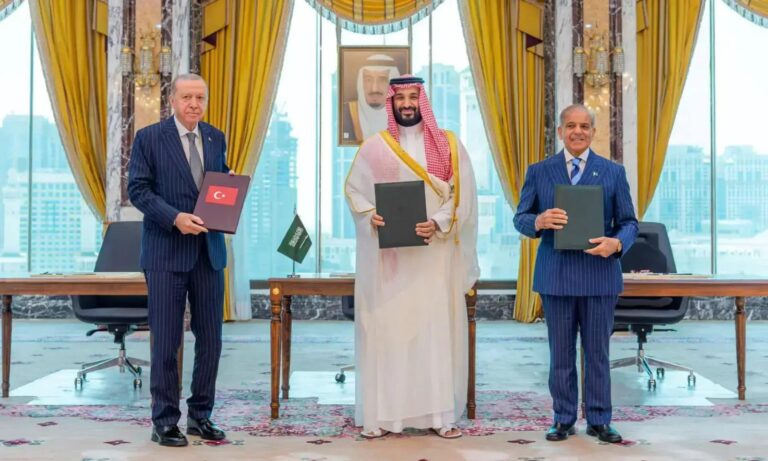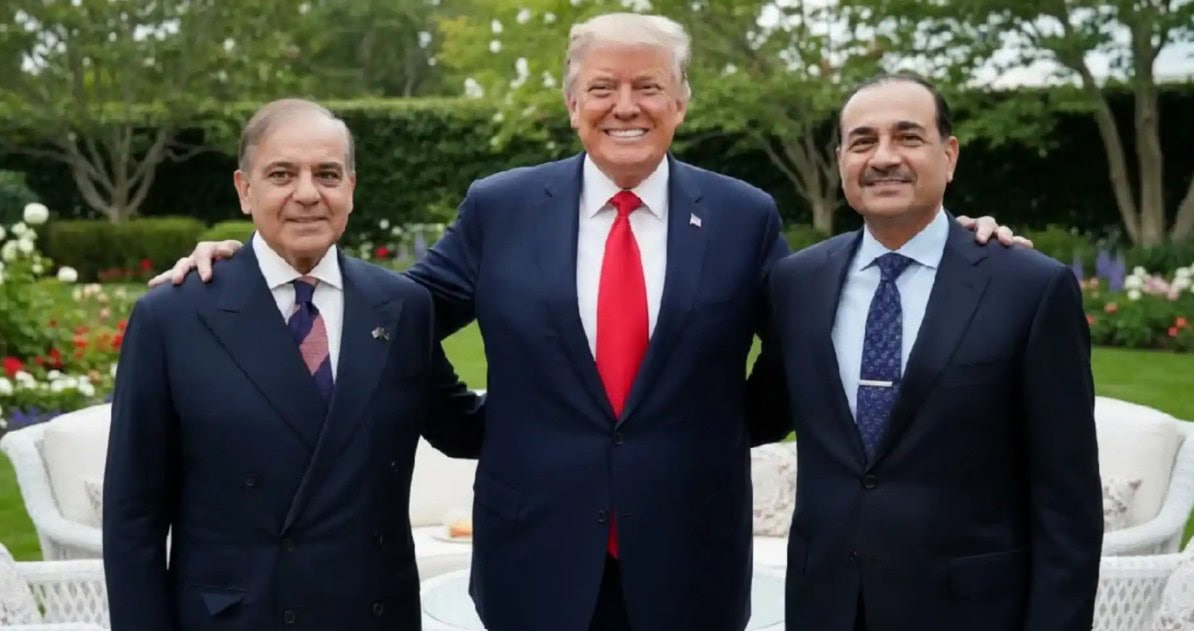
WASHINGTON – US President Donald Trump said the ceasefire involving Iran was made at the request of Pakistan, adding a new dimension to ongoing geopolitical discussions involving Washington, Tehran, Beijing, and regional actors.
Speaking to reporters aboard Air Force One during his return from China, Trump said US agreed to the ceasefire following requests from other countries, although he personally opposed the move. “We really agreed to the ceasefire at the request of other countries. I personally was not in favor of it, but we did it as a favor for Pakistan,” Trump said. He also described Pakistan’s leadership as “wonderful people.”
POTUS said he reviewed Iranian proposals and found them unacceptable. He noted that while the idea of suspending Iran’s nuclear program for 20 years was not opposed, the proposed assurances regarding uranium enrichment levels were insufficient. He reiterated his position that Iran must not be allowed to acquire nuclear weapons. “Iran cannot possess nuclear weapons,” he made it clear.
Trump also said Chinese President Xi Jinping supports preventing Iran from obtaining nuclear weapons and favors keeping the Strait of Hormuz open. On the Strait of Hormuz issue, Trump clarified that he did not seek any concessions from China, stating: “We do not need any favor.”
He added that a decision would be made within days on whether to lift sanctions on Chinese companies purchasing Iranian oil. He also stated that China would increase purchases of U.S. soybeans, describing this as beneficial for American agriculture.
On the other hand, Iranian Foreign Minister Abbas Araghchi, speaking at a press conference in New Delhi, said that ongoing negotiations involving Islamabad have not collapsed but remain in a difficult phase, which he attributed to the U.S. position. He said Iran appreciates countries seeking to facilitate dialogue, particularly China, which he described as a strategic partner.
Araghchi said Iran would resist pressure and coercion and stressed that trust between Iran and the United States does not currently exist. “We have no reason to trust the Americans, and the United States has no reason to distrust Iran,” he said.
Araghchi added that any potential agreement must be preceded by clear and defined terms.
Iranian top diplomat rejected any responsibility for disruptions in the Strait of Hormuz and stated that Iran has not initiated any war, asserting that its actions have been defensive in nature. He also said US failed to achieve its objectives following a 40-day conflict and subsequently returned to negotiations.
Araghchi referred to the 2015 nuclear agreement as a major diplomatic achievement that was internationally recognized. He said Iran complied with its obligations, but the United States withdrew from the agreement a year later without justification.
Araghchi further claimed that while both sides were close to a potential agreement on February 28, the United States and Israel carried out an attack on Iran, prompting Iranian retaliation. He said military action cannot resolve issues that remain unresolved through diplomacy.
About the Author