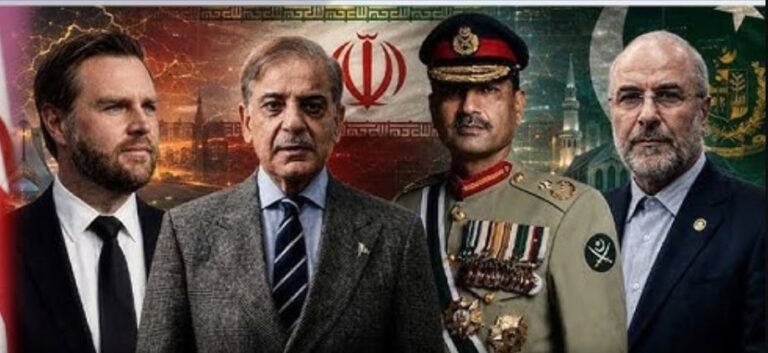
DOHA/ISLAMABAD – United States and Iran agreed to continue high-level negotiations after two days of indirect talks in Doha, mediated jointly by Pakistan and Qatar, with key progress also made on the release of $6 billion in frozen Iranian assets.
The latest round of negotiations, held through separate meetings with US and Iranian delegations, advanced discussions under the Islamabad Memorandum of Understanding (MoU), a framework aimed at reducing regional tensions and preventing a wider conflict.
Pakistan’s Foreign Office said Doha meetings built upon discussions held earlier this month in Bürgenstock, Switzerland, where the Islamabad MoU was finalized. According to the Foreign Office, both Washington and Tehran have agreed to keep diplomatic channels open and continue negotiations in the coming weeks.
The next round of talks is expected to take place shortly after the funeral of Iran’s former Supreme Leader, Ayatollah Ali Khamenei, whose burial is expected on July 9 following reports that he was killed on the opening day of the US-Israel war against Iran.
The 2-day negotiations focused primarily on urgent technical issues rather than political disputes, with discussions centering on the immediate restoration of maritime traffic through the Strait of Hormuz and access to Iranian funds frozen in Qatar.
Iranian Deputy Foreign Minister Kazem Gharibabadi said both sides had agreed to establish a formal communication channel beginning immediately to monitor and document compliance with the Islamabad Memorandum of Understanding.
Tehran will also be allowed to use part of its $6 billion in frozen assets held in Qatar to purchase essential goods. Meetings involving Qatari officials and central bank representatives reviewed mechanisms for the immediate release of a portion of the funds. Speaking in Washington, US President Donald Trump described the Doha meetings as “very positive” and claimed efforts to curb Iran’s nuclear ambitions were moving in the right direction.
“We’re making good progress toward ensuring Iran does not obtain nuclear weapons,” Trump told reporters, adding that the talks had produced encouraging results. However, diplomatic sources familiar with the negotiations disputed that characterization, insisting the Doha discussions were strictly technical and did not include any negotiations on Iran’s nuclear program.
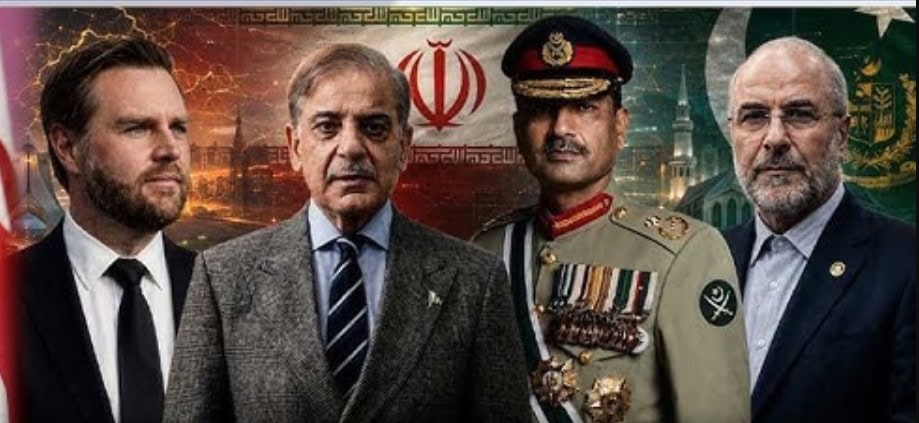
US Vice President JD Vance echoed that position, confirming that formal negotiations on Tehran’s nuclear activities would begin only in a later phase. “We obviously remain deeply concerned about the nuclear issue, and formal talks on that subject will begin soon,” Vance said.
Islamabad MoU, crafted through months of intensive diplomacy by Pakistan and Qatar and finalized during the Bürgenstock summit, is increasingly being viewed as a roadmap for de-escalation in the Middle East. The agreement outlines a 60-day regional ceasefire, the reopening of the Strait of Hormuz for international shipping, mechanisms for addressing broader regional disputes, and a structured timeline for future negotiations on Iran’s nuclear program.
The progress achieved in Doha marks a major diplomatic success for Pakistan and Qatar, whose joint mediation has kept dialogue alive despite one of the region’s most volatile periods.
News Desk
About the Author