ISLAMABAD — The strikes on Saudi Arabia suddenly put new defence pact under the spotlight. As tensions rise, Islamabad is signalling that the Makkah Defence Pact could be invoked if the attacks spill further into the kingdom, turning regional crisis into a test of a powerful new alliance.
The warning came after a dramatic escalation in which the Houthis claimed to have fired dozens of ballistic missiles at targets across southern Saudi Arabia. The attacks reportedly wounded 73 people and triggered fires at oil installations, raising fresh fears that the conflict in Yemen could widen into a much larger regional confrontation.
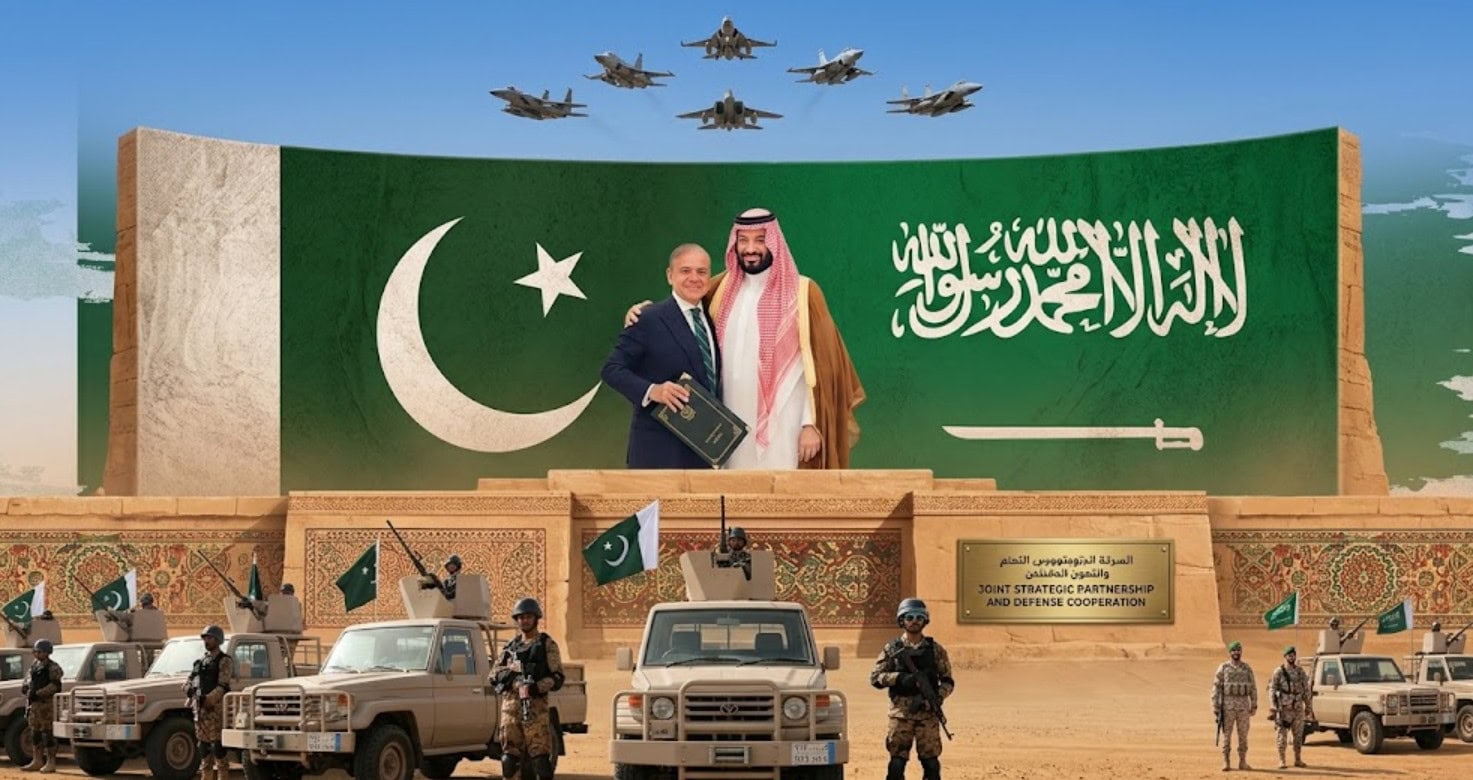
For Pakistan, the issue is particularly significant. Makkah Defence Pact, signed by Pakistan, Saudi Arabia and Turkiye on August 7, contains a collective-defence commitment under which aggression against one member is to be treated as aggression against all three.
Speaking on TV show, Pakistan defence minister said that if what is happening in Yemen crosses into Saudi Arabia in the form of unprovoked aggression, the agreement could become operational. He stressed that Pakistan had accepted specific obligations when it joined the pact and would honour them if the situation required.
Asif’s said Pakistan is not treating the agreement as a symbolic declaration. He said the pact is based on joint defence and collective assistance, meaning Islamabad would be expected to respond if Saudi Arabia came under aggression covered by the agreement. The minister said he was not aware of any fresh contact between Islamabad and Riyadh following the latest attacks.
That, however, did not change Pakistan’s position. Asif maintained that the country’s commitment was already defined by the terms of the pact. He also made it clear that the alliance was defensive rather than aggressive. Its purpose, he said, was to deter attacks and demonstrate the collective strength of its members rather than encourage them to initiate hostilities.
Asif went a step further, saying Pakistan’s response would not necessarily depend on the trilateral pact. Given Islamabad’s longstanding relationship with Riyadh, he argued, Pakistan would have stood by Saudi Arabia even under a bilateral arrangement.
The defence minister also delivered a pointed message to the Houthi movement. He urged the group not to allow Yemen’s internal conflict to spill across the border and warned that attempts to export the confrontation into Saudi Arabia could activate the collective-defence provisions of the Makkah agreement.
Asif described the Houthis as a non-state actor and said Yemen’s government had also responded to their attacks. He acknowledged that Iran enjoys sympathy in much of the Muslim world, but argued that non-state groups should not exploit broader regional disputes for their own purposes.
Such actions, he suggested, could ultimately put the Houthis themselves at greater risk. Despite the increasingly tense situation, Asif said he hoped the latest escalation would eventually subside.
The warning from Islamabad followed a major Houthi assault on southern Saudi Arabia. Houthis claimed they had launched dozens of ballistic missiles towards Abha, Khamis Mushait, Jazan and Najran. The reported targets included Abha International Airport, King Khalid Air Base and facilities linked to Saudi oil giant Aramco.
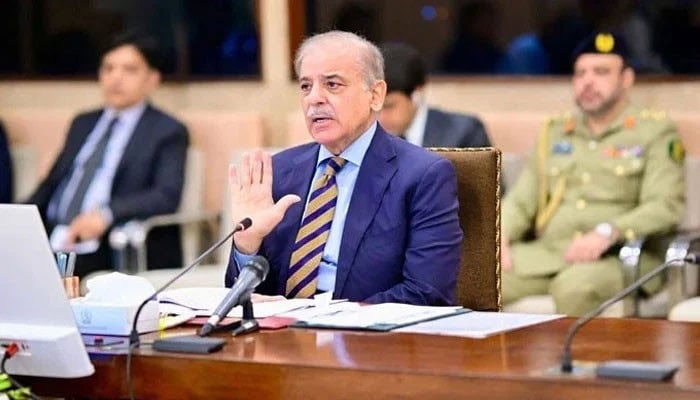
Prime Minister Shehbaz Sharif quickly condemned the Houthi attacks and made Pakistan’s position clear. He said the strikes threatened innocent lives as well as regional peace and security. The prime minister reaffirmed Islamabad’s support for Saudi Arabia’s sovereignty, security and territorial integrity and prayed for those injured in the attacks.
The Makkah Pact: Pakistan’s Emerging Role in a Changing West Asia
News Desk
About the Author