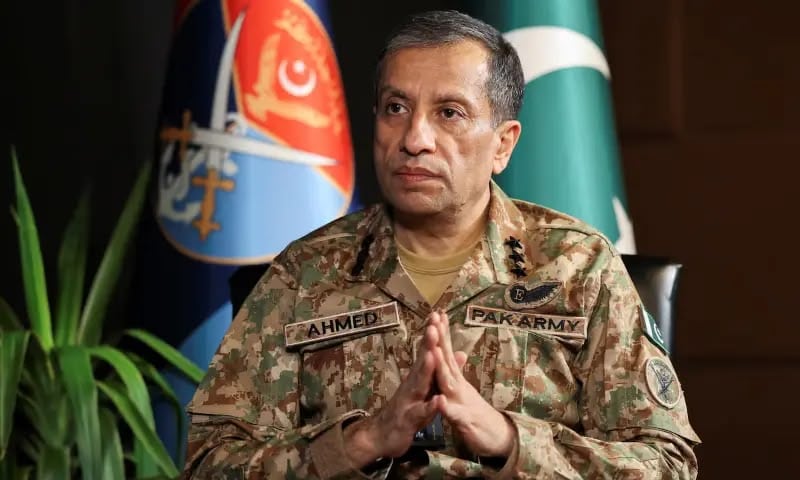
When Lt Gen Ahmed Sharif Chaudhry sat down with Reuters in Rawalpindi on 30 October, he said nothing that Pakistan has not been saying for years. What changed is the tone. The patience that has defined Islamabad’s approach to Kabul is wearing thin, and the DG ISPR made clear that the country is done paying in blood for a neighbor’s refusal to act.
Consider how little Pakistan actually asks for. It does not want territory, tribute or a change of government in Kabul. It wants the Taliban authorities to stop sheltering and backing the terrorists who kill its soldiers, police and civilians. Every government on earth would call that the minimum a neighbor owes, and a regime that cannot or will not deliver it has told the world what it is. The general named the men Pakistan says the Taliban protect: Noor Wali Mehsud, Bashir Zeb and Gul Bahadur. A government serious about being a state would hand them over or shut them down. Kabul has done neither.
Nor is this a complaint that rests on Pakistani say so. The UN Monitoring Team has described the TTP as one of the largest terrorist groups operating in Afghanistan, enjoying a permissive environment under the Taliban. When the Taliban insisted no such groups existed, not a single UN member state agreed. The same monitors found Al Qaeda training the TTP, with estimates putting its fighters on Afghan soil at around 6,000, and they documented close cooperation between the TTP and the BLA, even shared training camps. That confirms what Pakistan has argued all along. Its enemies are not a scattered collection of grievances. They are one ecosystem with common patrons and common shelter.
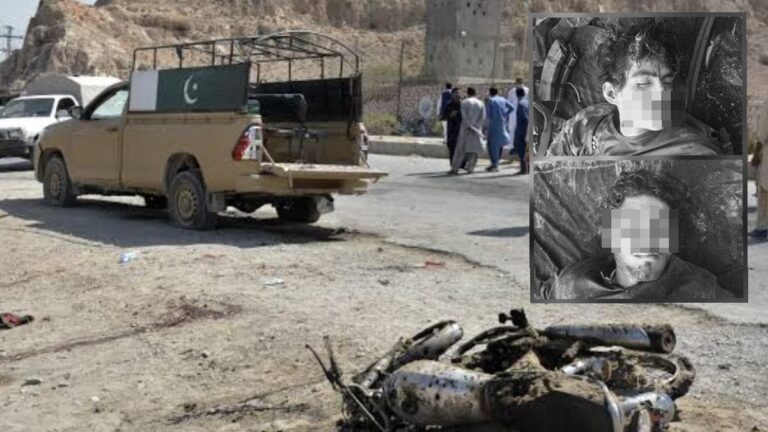
The border tells the same story in miniature. By Pakistan’s account, a shell struck a family home at Angoor Adda on 27 October, killing a civilian and wounding five members of the same household, and Pakistan answered by destroying seven posts. A force that wanted calm would not fire toward a bazaar and homes. A force that does so has chosen its conduct, and Pakistan’s response showed what that choice costs. The general’s reminder that the army can handle any threat from the Afghan side, drones included, was not bluster. This is the army that shot down dozens of sophisticated drones during the May 2025 conflict with India.
India deserves its own share of scrutiny. The general called it the prime contractor behind the terrorist groups that hit Pakistan, and the logic is easy to follow. A Pakistan stretched across two fronts, bleeding in the northwest and in Balochistan, is a Pakistan that India has less to worry about. New Delhi has spent the past year warming to a Taliban regime that harbors the enemies of its neighbor, and when Islamabad raises the question, India offers a stock line about Pakistan blaming others and moves on. A state serious about regional peace would not cultivate the hosts of its rival’s insurgents. India’s reflex dismissal does not answer the one question that matters, which is who benefits.
The cost to Pakistan explains its resolve better than any speech. In January 2026 alone there were 87 terrorist attacks and 361 deaths, and February brought 470 more. By the end of June, 2,166 people had died, among them 404 civilians and 307 security personnel, and by the end of July the toll reached 2,786. Behind those figures are families who buried sons and daughters while their government went to Doha, Istanbul and Urumqi asking only for verifiable steps against the TTP. Pakistan’s patience was a genuine offer, and it was refused.
Firm action, meanwhile, has worked when applied. After Pakistan’s cross border campaign from 26 February to 18 March and the talks that followed, attacks dropped from 146 in March to a far lower level in April. Pressure moves the needle. It is the Taliban who keep letting the needle move back.
The same applies to the economic squeeze. Pakistan has no quarrel with ordinary Afghans, and the general said as much. But border closures that have cut trade by more than half and cost Afghanistan’s economy about a million dollars a day by UN estimates are a bill Kabul itself ran up. The remedy sits in its own hands. Stop sheltering the TTP and the crossings reopen.
The message from Rawalpindi was simple. The demand is small and fair, the evidence is on the record at the United Nations, and the price of defiance will keep rising. Kabul should read it as a last reminder, and Delhi should explain why it keeps company with a regime that protects its neighbor’s killers. Pakistan has the capability, the evidence and the moral ground. The only open question is whether the Taliban will finally choose to behave like a government.
Youm-e-Nijat (Day of Deliverance): Why Emergency Rule in KP Necessary After Years of Terror
About the Author