Pakistan today stands at a rare and important crossroads. Two different stories about the country are unfolding at the same time. One is visible abroad, where Pakistan’s diplomatic and strategic standing appears to have improved over the past year. The other is visible at home, where economic hardship, weak purchasing power, and widening inequality continue to shape everyday life. The real question is not which story is true. Both are. The real question is whether Pakistan can turn external relevance into internal recovery.
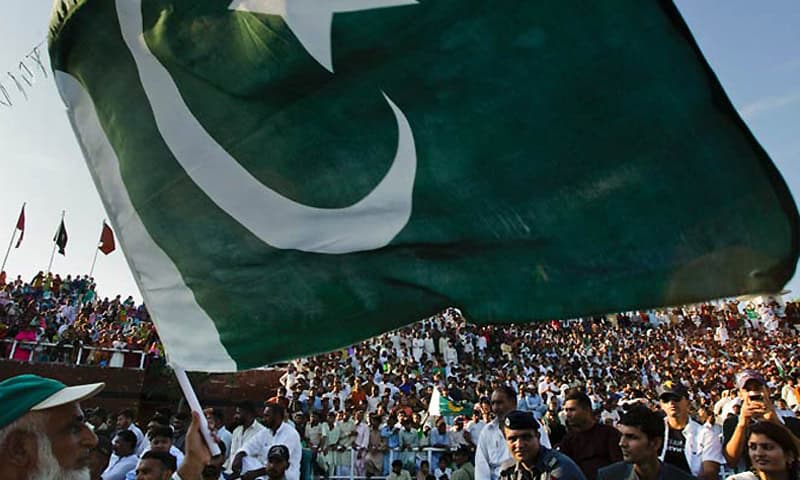
On the international stage, Pakistan has regained a measure of strategic importance. In a region marked by rising tensions and fragile alignments, it is increasingly seen as a country able to engage with different sides, contribute to de-escalation, and remain relevant in moments of crisis. Its defence profile has also gained visibility. Growing interest in Pakistani defence products, expanding partnerships, and the continued recognition of platforms such as the JF-17 reflect a country that still carries geopolitical and industrial value.
That shift matters. For years, Pakistan’s image was often tied mainly to crisis, instability, or dependence. A more confident diplomatic and strategic posture gives the country room to rebuild credibility, deepen cooperation, and open new avenues in trade, technology, and defence-linked industry.
Yet the domestic picture tells a much harsher story.
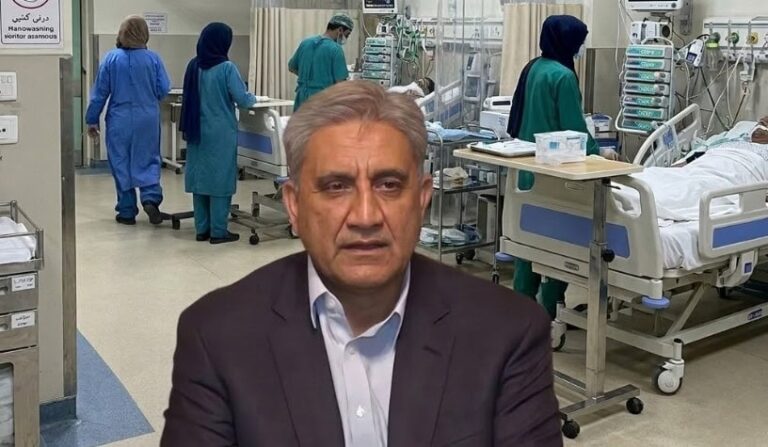
Pakistan’s exports may be hovering around $30 to $32 billion annually, with textiles contributing nearly 60 percent, but the economy underneath remains under heavy strain. Around 24 percent of households face food insecurity, meaning nearly one in four homes struggles to secure enough food. Poverty estimates suggest that 44.7 percent of the population, nearly 11 crore people, live below the poverty threshold, while around 4 crore face extreme poverty.
The human meaning of these numbers is even more troubling. National survey figures suggest that poorer households have seen a severe decline in food consumption. A poor citizen may consume only one egg every ten days, around 20 to 50 grams of mutton per month, 110 grams of beef, and roughly 340 grams of chicken. These are not just statistics. They are evidence of a shrinking standard of living.
Employment trends deepen the concern. Unemployment stands at around 7.1 percent, the highest in roughly two decades, with about 59 lakh people out of work. Real per capita income has declined by about 8.4 percent in recent years, meaning that even where inflation has slowed, people can still afford less than before. The textile sector, the backbone of Pakistan’s exports, has seen more than 140 mills shut down, while the steel industry is reportedly operating at only 30 to 50 percent capacity.
This is why official claims of stability need closer examination. Much of Pakistan’s recent stabilisation has come not from broad-based growth, but from tight monetary policy, higher taxes, reduced imports, and compressed demand. The economy has been growing at roughly 3 percent, almost the same as population growth. That may create statistical stability, but it does not create real relief. A country does not move forward when growth merely keeps pace with the rise in the number of mouths to feed.
The deeper issue is structural. Income inequality remains severe. The top 10 percent control around 42 percent of national income, while the bottom 50 percent receive only about 19 percent. That imbalance helps explain why even modest gains in macroeconomic indicators do not translate into comfort for ordinary families.
This is where Pakistan’s improved international standing could become more than a diplomatic success. It could become an economic opening.
Pakistan has, in recent months, carried itself as a responsible and relevant actor in a dangerous region. If a country contributes to restraint, dialogue, and regional stability at a time of broader global anxiety, it has a legitimate case for seeking economic space for internal repair. This should not be framed as a plea for charity, nor should it suggest that Pakistan is asking for reward in exchange for responsible conduct. It should instead be presented as a serious strategic case: that countries contributing to stability should be given room to strengthen their own economic foundations.
Pakistan’s debt burden absorbs a large share of its annual budget. Even moderate easing in debt repayment schedules, temporary flexibility in obligations, or better restructuring terms could create fiscal room for investment in industrial revival, education, health, and employment generation. That would not solve every problem, but it would give the country some breathing space to address them more seriously.
Such a case, however, can only be made credibly if Pakistan matches it with domestic reform. Any request for debt flexibility must be accompanied by stronger governance, better transparency, and clear commitments to direct fiscal space toward public benefit rather than elite comfort. Otherwise, an important opportunity will be wasted.
Pakistan, then, is neither simply rising nor simply failing. It is living through a moment of strategic recognition abroad and economic stress at home. That is the real picture. The real question is no longer whether Pakistan matters internationally. The real question is whether that relevance can finally be converted into prosperity at home.
The writer has extensive experience in financial negotiations and international economic engagement.
Zahid Maqsood Sheikh
About the Author