I am done mourning quietly. Enough is enough — if Pakistan loses one soldier, the terrorists Afghanistan keeps sheltering must lose ten. That is no longer just a slogan I’m repeating. After the weekend we have just lived through, it is the only policy that makes sense.
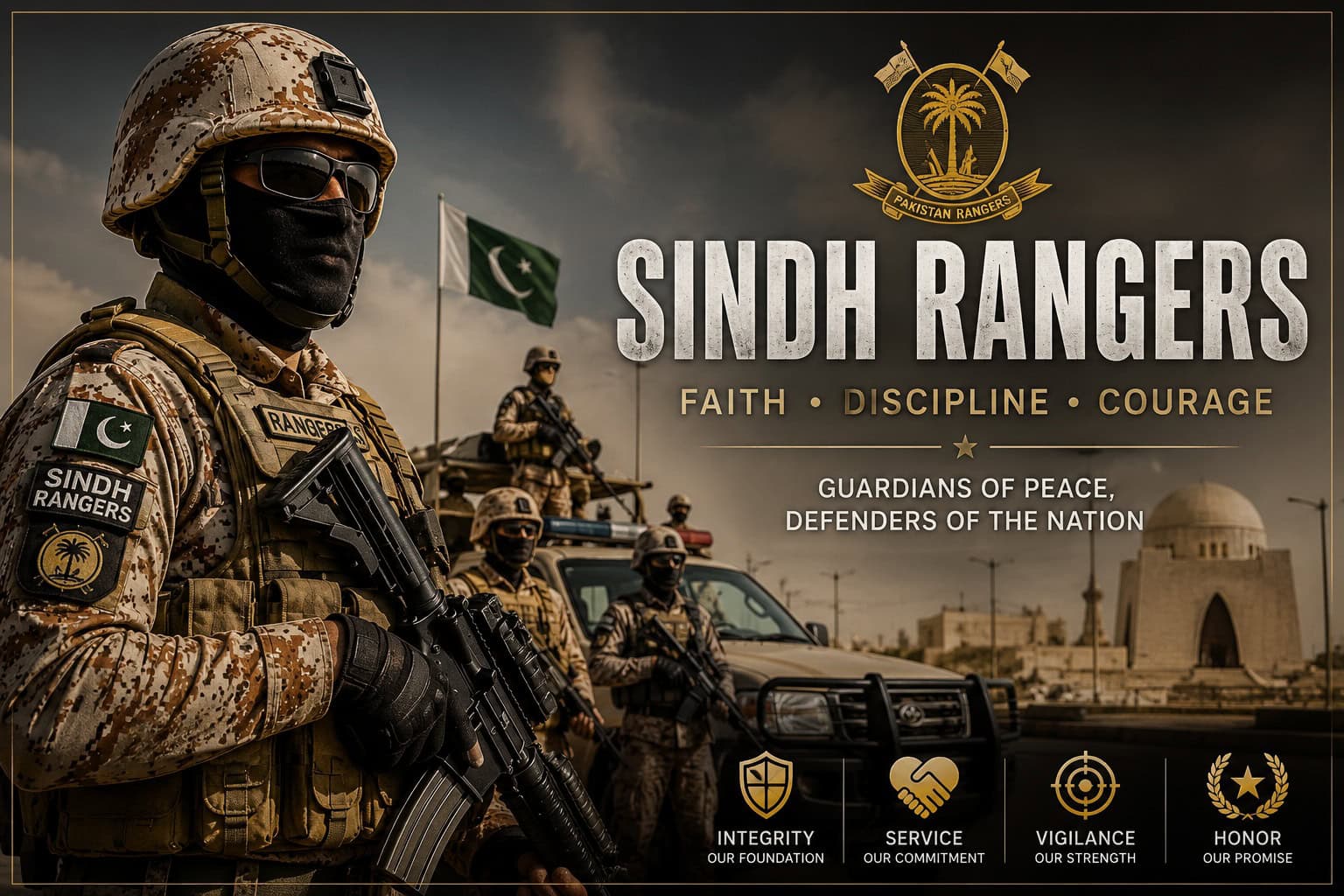
On Saturday night, terrorists struck the headquarters of the Sindh Rangers in Karachi. The blast tore through the main gate, gunfire followed, and when the smoke cleared, three of our Rangers had been martyred and several more lay wounded. The attack failed in its larger purpose — our jawans fought back with everything they had and cut the attackers down on the spot — but failure does not erase the cost. We buried soldiers because of an assault planned and dispatched from across our western border.
Jamaat-ul-Ahrar claimed the attack within hours, and I do not accept for one second that this was some isolated, leaderless act with no address. I went through the social media trail myself this week — every major platform, every Telegram channel — and the pattern is impossible to ignore. The accounts boasting about the operation and claiming responsibility are run openly out of Afghanistan, by people who are followed and amplified by some of Afghanistan’s most prominent journalists, and even by officials connected to the Islamic Emirate. When threats were circulated beforehand glorifying the bloodshed to come, the same circles in Kabul reacted with mockery — laughing emojis, celebration, the language of people cheering a win rather than condemning a crime. If the Afghan state had nothing to do with this, I want to know why its own information ecosystem celebrated it in real time.
Then there is the man Rangers captured — wounded in the leg, pulled out of the firefight alive. Under interrogation, he did not need to be forced to say it: he told investigators plainly that he is an Afghan national who crossed the border to carry out this attack. One confession doesn’t prove a state policy by itself. But stack it against the social media trail, against years of Jamaat-ul-Ahrar and Fitna-al-Khawarij commanders operating freely on Afghan soil, and this stops looking like coincidence. It looks like a pattern Kabul keeps refusing to break.
The DG ISPR said what every Pakistani wanted to hear: that this would not go unanswered. And on the night of 28/29 June, it didn’t. Pakistani forces hit Jamaat-ul-Ahrar and Fitna-al-Khawarij camps and safe havens in Paktia, Paktika and Kunar. More than two dozen terrorists were killed, commanders among them, along with the weapons and ammunition stockpiled to send back across the border. Pakistan released footage. Pakistan named the targets. This was not blind rage lashing out — it was precision, and it was earned.
What followed was as predictable as sunrise: the same tired script from Kabul. Civilians, they say. Women, they say. Children, they say — every single time, as if there is no other category of person inside those camps and hideouts. A network that plans an assault on a paramilitary headquarters in Karachi and then retreats into the language of civilian victimhood the moment it gets hit back is not fighting a war — it’s running a public-relations defense, and a stale one at that.
How can (terrorists) they call themselves men? If they had courage, they would not hide behind terrorism. They would come forward and face a real fight. But they do not have the bravery for that.
I’m not writing this from anger alone. I spent hours this week reading the reaction across the country, and what struck me is how unified it already is. Rangers, Army, every law-enforcement uniform standing on our soil — backed without hesitation, because this country has buried too many of its own to keep accepting denials from across the border instead of accountability.
Operation Ghazab-Lil-Haq is not finished, and it should not be, until Afghan soil stops being used as a launching pad against Pakistani cities, Pakistani Rangers, Pakistani soldiers. I’ll say it as plainly as I started: one martyred soldier of ours has to mean ten terrorists buried on the other side of that border — whatever it costs, however many strikes it takes. We have absorbed enough. The nation stands behind the men in uniform defending it, and that is not changing.
The Rangers Did Their Job on Saturday Night. Why Didn’t the Police Do Theirs?
About the Author