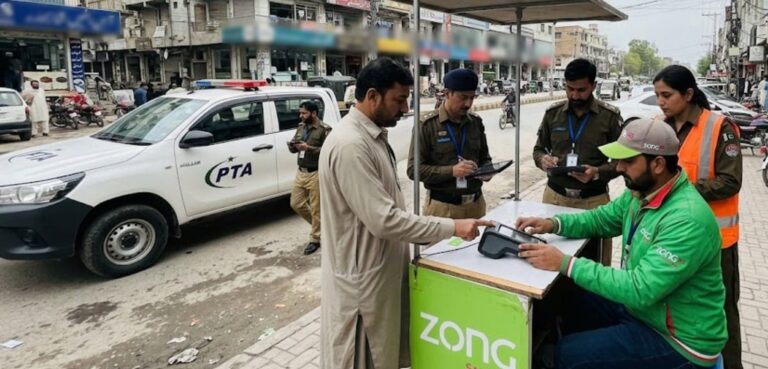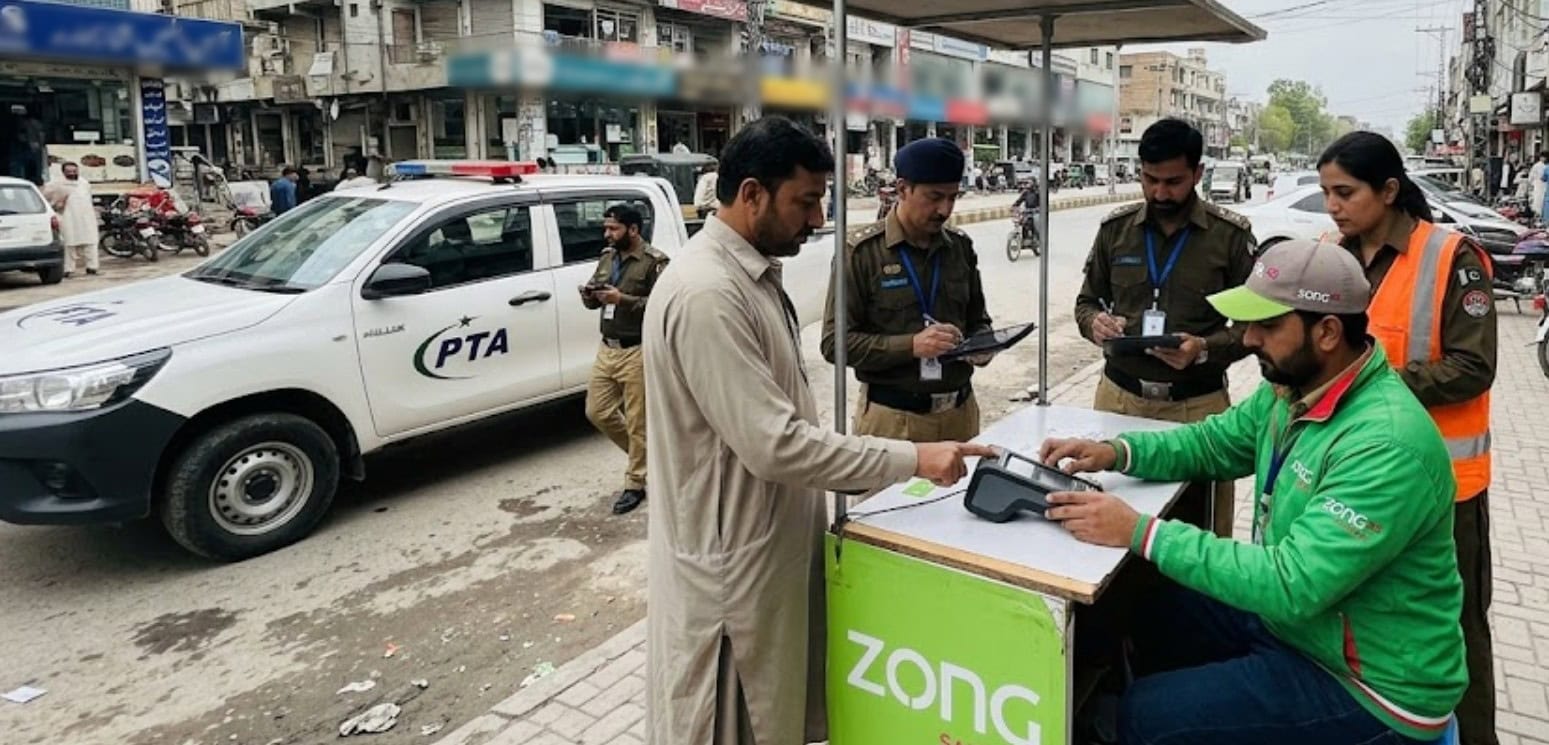
ISLAMABAD – Pakistan Telecommunication Authority’s inspection prompted a massive penalty for Zong Pakistan (CMPak Ltd.) after regulators found sales representative linked to its Taxila franchise conducting SIM sales in Islamabad, outside the authorized operating area and without the required regulatory approval.
The telecom company faced action over a serious breach of mandatory geo-fencing rules governing biometric verification system (BVS) devices used for SIM sales. The enforcement action follows a field inspection, during which regulators caught an authorized sales representative associated with Zong’s Taxila franchise selling SIMs at I-10 Markaz in Islamabad.
The situation was further aggravated by fact that the activity was allegedly conducted without the required Door-to-Door or Kiosk authorization from PTA, adding another layer to the regulatory breach.
Pakistan’s second-largest mobile service provider pushed back against allegations, arguing that the incident was one such case involving single Data Sales Officer (DSO) rather than evidence of a widespread compliance breakdown across its sales network. The operator clarified that the SIMs involved had successfully passed biometric and NADRA verification, and there was therefore no evidence that fake, fraudulent or anonymous SIMs had entered the system as a result of the incident.
It also mentioned corrective measures it took after the violation came to light. The company said it terminated the DSO responsible, issued a show-cause notice and warning letter to the Taxila franchise, and circulated additional compliance advisories across its network to strengthen monitoring and prevent similar incidents.
The regulator made it clear that passing biometric verification does not wipe out a geo-fencing violation. The two safeguards, PTA maintained, address entirely different risks. Biometric verification is designed for identity of subscriber. Geo-fencing, on the other hand, is intended to ensure that BVS equipment remains within its authorized geographic location, preventing the unauthorized movement of devices and reducing the risk of SIMs being issued through uncontrolled or unapproved channels.
In other words, according to PTA, a SIM can be successfully verified biometrically and the transaction can still constitute a regulatory violation if the BVS device is being operated from an unauthorized location.
PTA however rejected Zong’s clarification to link the incident to the individual DSO or franchise. Under the Subscribers Antecedents Verification Regulations and the conditions attached to its telecom license, the regulator held that CMPak itself carries statutory responsibility for SIM sales conducted through its authorized network.
The regulator dismissed the argument that subsequent corrective action should mitigate or eliminate the offense. PTA’s position was unequivocal, fixing a compliance failure after regulators discover it does not erase the violation that already occurred.
According to the regulator, accepting such a defense would effectively allow operators to breach mandatory safeguards and then escape accountability simply by taking corrective action once caught.
Jazz, Zong under fire for Overcharging, Illegal Spectrum use in Pakistan
News Desk
About the Author