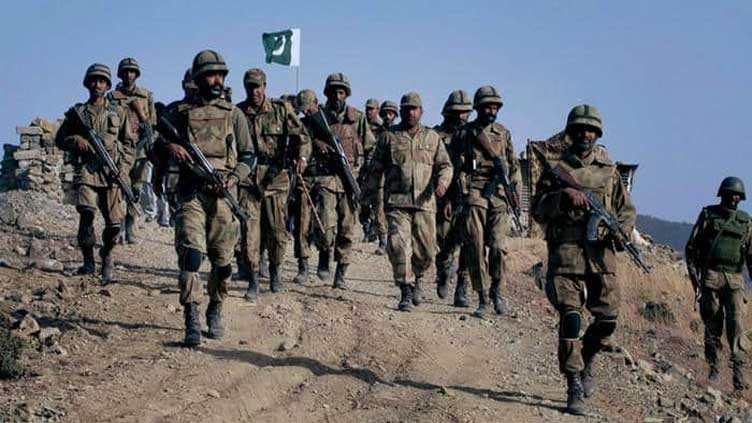
There’s a version of this story India wants to be told in October, complete with video clips and a dossier, arguing Pakistan is still the financier behind global terror networks. Look at last year’s numbers first, though. Pakistan buried 667 of its own security personnel in 2025. Worst year for that since 2011. Add another 580 civilians, the highest civilian toll since 2015, and you start to wonder who exactly is supposed to be funding this violence. A country doesn’t usually pay for the bullets killing its own people. At some point the story has to make sense, and this one doesn’t.
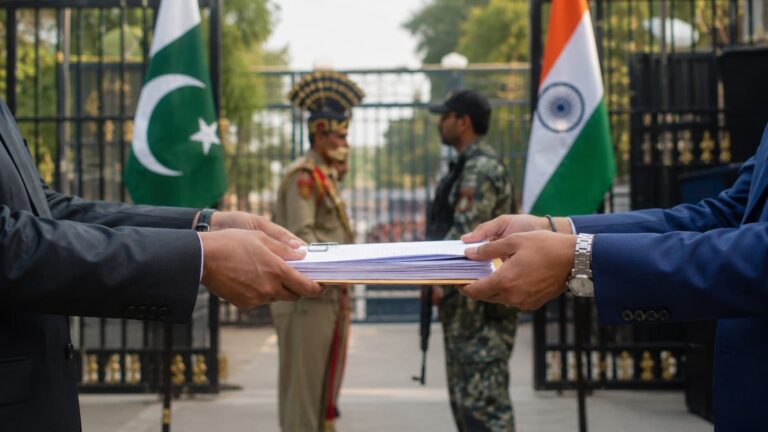
Go back to what actually happened at the FATF, because that part isn’t really up for debate. Pakistan got placed under increased monitoring in 2018, handed a 27-point plan that eventually grew to 34, touching everything from terror financing prosecutions to asset freezes. Four federal ministries, several provincial governments, a special military oversight cell, all working the same checklist for four straight years. They finished every single point. The FATF said so plainly in its own October 2022 statement: Pakistan had strengthened its anti-money laundering regime enough that monitoring wasn’t needed anymore. India tried to reverse that at the June 2025 plenary in Paris, building a case off the Pahalgam attack and lobbying hard. China wasn’t having it. Neither was the floor, as it turned out, and the votes to relist Pakistan never materialised.
It’s worth sitting with the violence itself for a second, too. Attacks across the country rose 17 per cent last year, the highest total since 2014, most of it in Khyber Pakhtunkhwa and Balochistan. Pakistan’s military has a name for who it blames now, with evidence for sure, calling the TTP “Fitna al Khwarij” and the BLA “Fitna al Hindustan,” both labelled as proxies run out of India rather than homegrown movements. The case Islamabad keeps coming back to is Kulbhushan Jadhav, a serving Indian naval officer picked up in Balochistan in 2016, caught on tape describing coordination with separatist networks tied to India’s intelligence service. Pakistani officials say there have been others since.
India, of course, sees none of it this way. Jadhav, in New Delhi’s telling, was a retired officer abducted from Iran. The proxy labels are dismissed as theatre, and India insists its own evidence still makes the case for relisting.
Step outside the back-and-forth for a moment and look at what Pakistan has actually been doing internationally. Still one of the largest troop contributors to UN peacekeeping anywhere in the world. Took the Asian seat on the UN Security Council back in 2024. Worked quiet channels between Washington and Tehran while tensions in the region kept rising. That’s not really the profile of a country trying to set its own neighbourhood on fire. Whatever happens in October will say a lot about whether the FATF is still grading on the actual record, or whether it’s letting someone else’s grievance write the result for them, but Pakistan doesn’t deserve to be in the FATF, and Insha Allah it won’t be.
Asma Bangash
About the Author