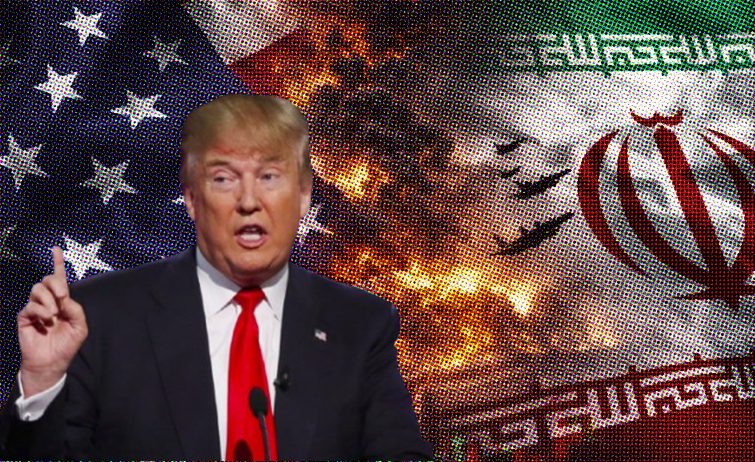
TEHRAN – A leaked document reportedly published by Arab media set off intense global speculation, reporting breakthrough US–Iran agreement may be on the verge of announcement.
The alleged draft paints sudden shift from years of tension to sweeping ceasefire framework, with multiple regional powers said to have quietly helped shape the talks behind the scenes. If true, the agreement signals an extraordinary turn, one where confrontation gives way to rapid de-escalation, sanctions relief, and a structured diplomatic roadmap.
Al Arabiya reports said a final draft of a sweeping US–Iran agreement, potentially paving the way for a dramatic geopolitical shift that could be announced within hours or days. The document has not been independently verified, and neither Washington nor Tehran has officially commented on its authenticity.
According to the alleged draft, the deal was not only negotiated directly between the United States and Iran but was also reportedly brokered through an unusual multi-state diplomatic channel involving China and Saudi Arabia, with Qatar and Pakistan said to have played supporting mediation roles.
If genuine, the agreement outlines a bold and immediate transformation of hostilities. It calls for an instant, comprehensive, and unconditional ceasefire across all domains, land, sea, and air, effectively freezing all military confrontation on the spot. Both sides would also commit to a strict prohibition on targeting military installations, civilian populations, or economic infrastructure under any circumstances.
The draft further demands an end to all ongoing military operations, alongside a simultaneous halt to what it describes as the “media war,” signaling an attempt to de-escalate not only physical conflict but also information and propaganda campaigns. Both Washington and Tehran would reaffirm commitments to respect sovereignty, territorial integrity, and the principle of non-interference in internal affairs, marking a strong reset in regional conduct expectations.
The agreement also guarantees freedom of navigation across some of the world’s most strategically sensitive waterways, including the Arabian Gulf, the Strait of Hormuz, and the Gulf of Oman, areas often seen as flashpoints for global energy security. To enforce compliance, the draft proposes the creation of a joint monitoring and dispute-resolution mechanism, designed to oversee implementation and handle violations or disagreements between the parties.
Within just seven days of the agreement taking effect, the two sides would reportedly begin negotiations on all remaining unresolved issues, suggesting a fast-tracked diplomatic roadmap following an immediate ceasefire. In return for Iran’s adherence to the agreement, the United States would commit to a gradual lifting of sanctions, potentially marking one of the most significant sanctions rollbacks in years if fully implemented.
The draft also explicitly reaffirms compliance with the United Nations Charter and international law, positioning the agreement within a global legal framework.
About the Author