ISLAMABAD – A remote-support session could turn into dangerous cyberattack, with computer being repaired becoming weapon against technician.
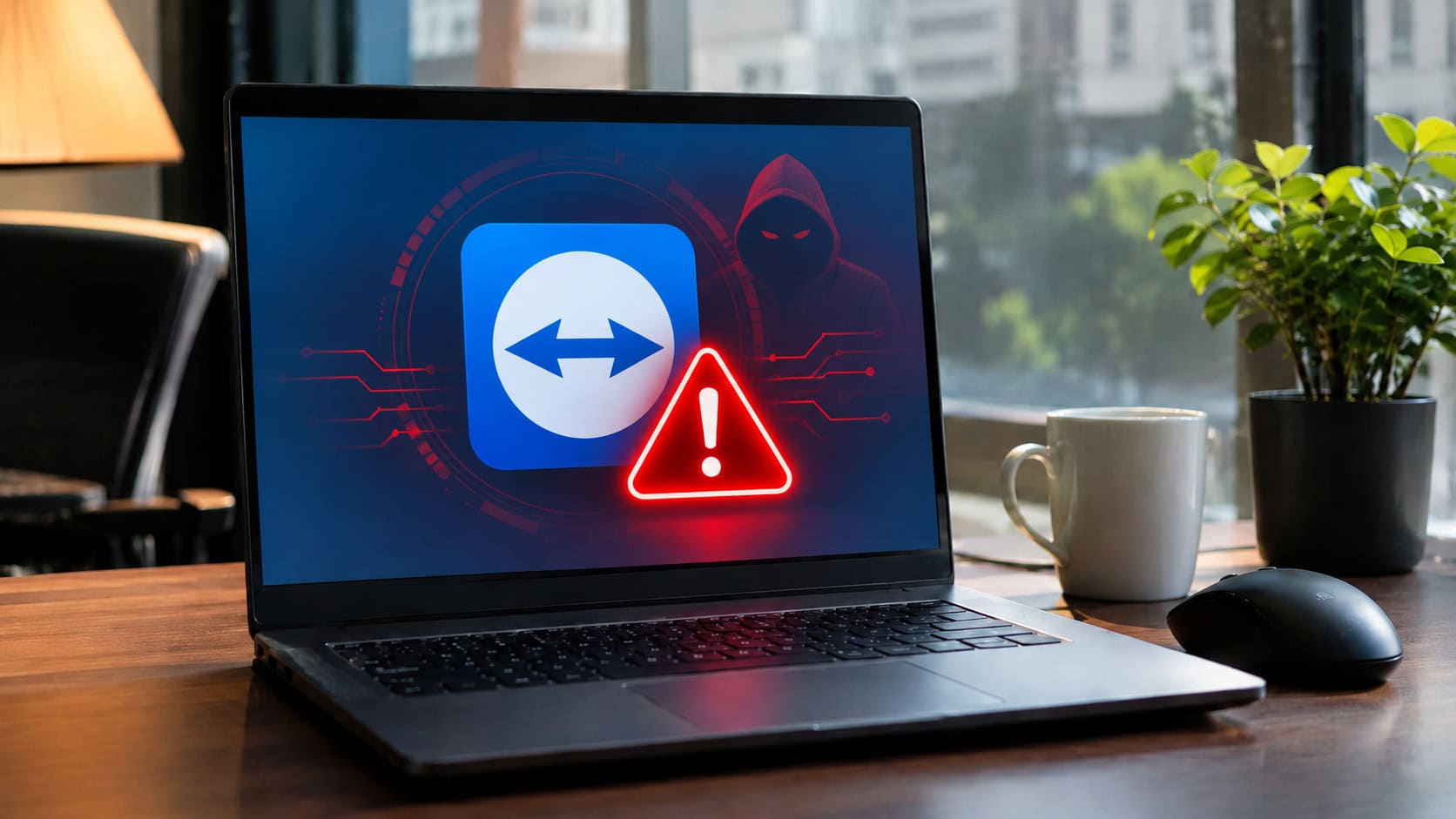
Pakistan sounded alarm over high-risk TeamViewer vulnerability that could expose users to hacker takeovers, malicious code execution and serious cybersecurity threats. Pakistan’s National Computer Emergency Response Team (PKCERT) issued urgent warning over a dangerous TeamViewer vulnerability that could potentially allow hackers to take control of computers.
The vulnerability raised particular concerns for businesses, IT departments, freelancers and technical-support professionals, as attackers could exploit a compromised remote computer to target the very technician attempting to access or repair it. The flaw, identified as CVE-2026-111585, carries a high-severity security score of 8.8 out of 10 and could enable malicious code execution or cause affected applications to crash.
Pakistan’s cybersecurity advisory, numbered NCA-25.311026, follows the disclosure of multiple security weaknesses in TeamViewer, one of the world’s widely used remote-support platforms.
The most alarming aspect of the vulnerability is the unusual direction in which an attack could unfold. Normally, cybersecurity concerns surrounding remote-access software focus on unauthorized individuals gaining access to another person’s computer. However, this flaw creates a different scenario.
A hacker controlling a computer receiving remote support could potentially launch an attack against the computer of the technician providing that support.
The attack becomes possible when a TeamViewer user establishes a remote-control session with an attacker-controlled or previously compromised device. Malicious screen data transmitted during that session could exploit weaknesses in the application’s image-processing system, potentially resulting in memory corruption.
Pakistan sounds alarm over Spyware that can Hack Phones without Clicking Online Ads
Depending on the affected platform, the consequences could range from unexpected software crash to the execution of unauthorized commands with the permissions of the viewer application. Importantly, the attacker does not need the technician to download a suspicious attachment or click an additional malicious link after the remote session has been established.
Cybersecurity researchers identified the underlying problem as an integer overflow, classified as CWE-190, within TeamViewer’s screen-data processing and decompression functionality. The weakness can cause the software to allocate insufficient memory while processing specially crafted screen information.
This can subsequently trigger a heap-based buffer overflow, potentially allowing attackers to interfere with the application’s normal operation. Researchers at cybersecurity firm Remedio, including Omri Dar, demonstrated the technical risk through controlled experiments.
The warning covers TeamViewer installations running on several major operating systems, including Windows, Linux, macOS and Android. Affected products include TeamViewer Full Client, Portable editions and the TeamViewer Remote Control application for Android.
The second vulnerability involves an out-of-bounds memory write in the screen-image decoding process. Attackers could potentially exploit it during a remote session or by persuading a user to open a malicious TeamViewer session-recording file. The third vulnerability involves a race condition and improper symbolic-link handling in a privileged helper component on macOS.
Despite the serious technical risks, the available disclosures did not establish widespread exploitation of the main vulnerability. TeamViewer reported that it was unaware of attacks exploiting CVE-2026-111585 when its security bulletin was published.
Early-November reporting also indicated that the flaw was not listed in the US Cybersecurity and Infrastructure Security Agency’s Known Exploited Vulnerabilities catalog. Its estimated exploitation probability, measured through the Exploit Prediction Scoring System, was approximately 0.3% at the time.
About the Author