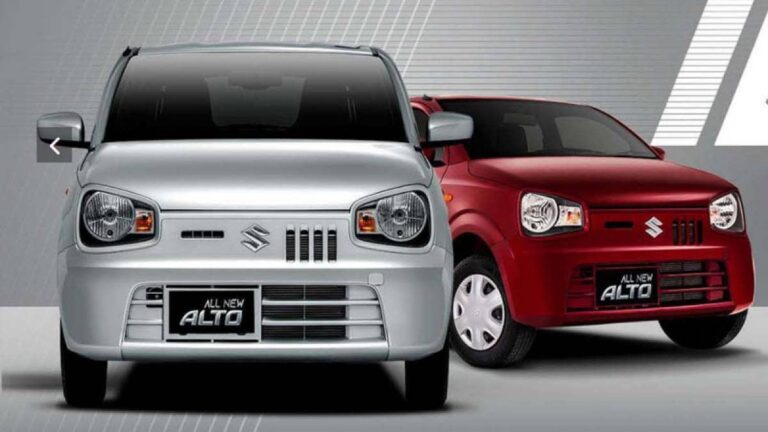
ISLAMABAD – Pakistan’s budget hatchback, Suzuki Alto, could become cheaper as the government prepares overhaul of Cars taxes, potentially bringing relief to buyers struggling with soaring vehicle prices.
The proposed Automotive and Auto Parts Manufacturing Policy 2026–31 could reshape Pakistan’s car market through lower import duties, revised sales taxes, exemptions for smaller vehicles and stricter rules to protect customers from unexpected price increases. As per initial estimates, Alto priced at assumed Rs3.2 million could fall to Rs2.8 million, with price of more than 10percent.
However, the projected reduction is not an officially announced price cut by Pak Suzuki, and the estimate does not identify a particular Alto variant.
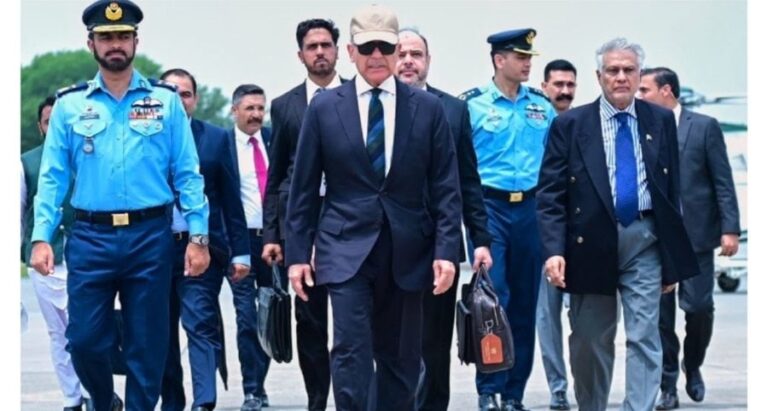
The potential relief comes as Prime Minister Shehbaz Sharif reportedly approved the policy draft in principle on October 20, setting the stage for further scrutiny by the International Monetary Fund (IMF), federal cabinet consideration and necessary legislative approvals.
The proposed policy does not guarantee that every Alto variant will become cheaper by Rs355,000. Actual reductions, if any, would depend on the final taxation structure and subsequent pricing decisions by Pak Suzuki.
One of the key proposals concerns Automotive Development Levy, a new charge designed to support the country’s automobile export ambitions. The proposed system would impose higher charges on vehicles with larger engines while exempting smaller cars. That puts the Suzuki Alto in a potentially favorable position.
With 660cc engine, Alto falls comfortably below the proposed 1,000cc threshold and would therefore escape the new development levy. Larger petrol and diesel vehicles, however, could face additional charges of up to 10%.
Proposed Auto Development Levy
| Vehicle category | Proposed levy |
|---|---|
| Cars up to 1,000cc | 0% |
| Cars between 1,001cc and 2,000cc | 2% |
| Cars above 2,000cc | 10% |
| Motorcycles and three-wheelers | 0% |
| Agricultural tractors | 0% |
| Non-agricultural prime movers | 2% |
| Trucks and light commercial vehicles | 2% |
| Buses and vans | 2% |
The detailed commercial-vehicle rates remain subject to verification against the final policy document.
Importantly, the exemption for smaller vehicles would apply specifically to the proposed development levy. Existing sales taxes, income taxes and other applicable charges would not automatically disappear.
Pakistan’s automobile taxation system could also undergo a major transformation under the five-year framework. The government proposes gradually reducing customs duty on conventional internal combustion engine vehicles, including petrol and diesel cars and SUVs, to 15% by 2031. Additional customs duties and regulatory duties would also be phased out under the proposed framework.
The changes are intended to reduce trade barriers, improve competition and encourage automobile manufacturers to expand their operations.
However, the full benefits would depend on the implementation schedule, manufacturers’ production costs and their willingness to pass savings on to customers.
Proposed Sales Tax Rates on Cars
| Vehicle type | Proposed sales tax |
|---|---|
| Battery electric vehicles | 1% |
| Range-extended electric vehicles | 6% |
| Plug-in hybrid electric vehicles | 9% |
| Conventional hybrids | 18% |
| Petrol and diesel vehicles | 18% |
The proposed tax structure would cover locally assembled and imported vehicles. The government is also considering a reduced 5% import tariff for smaller electric vehicles with a cost, insurance and freight value below $15,000 during the first two years of implementation. At the other end of the market, electric vehicles priced above $75,000 could face a proposed 10% federal excise duty.
Beyond tax relief, the government is reportedly considering measures aimed at practices that have frustrated Pakistani car buyers for years. Advance booking demands, price increases after orders are placed and the widespread practice of charging premiums for immediate vehicle delivery are among the issues the proposed framework seeks to address.
Under the reported draft provisions, automobile manufacturers would be restricted to collecting a maximum advance payment of 20% of a vehicle’s retail price. The policy proposes protecting customers against price increases after booking, except where qualifying government tax changes affect the final payable amount.
Another proposed measure would require vehicles to be registered in the actual buyer’s name before delivery from showrooms. Such requirement could make speculative bookings more difficult and discourage middlemen from purchasing vehicles solely to resell them at inflated prices.
The government’s automotive overhaul is not limited to reducing prices for domestic customers. The proposed Automotive Development Levy is expected to generate approximately Rs232 billion over five years, with the proceeds intended to support export incentives for automobile and auto-parts manufacturers.
The policy also sets an ambitious cumulative export target of approximately $6 billion during the five-year period. To push manufacturers toward international markets, the framework reportedly proposes linking certain incentives to export performance.
Manufacturers failing to achieve specified export targets could face financial penalties ranging from 1% to 3% of their annual production value. Repeated non-compliance over two consecutive years could potentially result in the cancellation of manufacturing certificates under the proposed enforcement mechanism.
Alto now available with 12.5pc Financing, Inclusive Insurance Benefits
About the Author