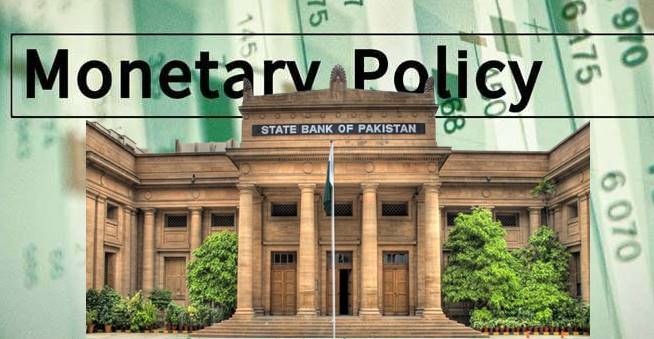
ISLAMABAD – All eyes are on the State Bank today as policymakers prepare to announce the first monetary policy of Fiscal Year27. With inflation going up, global oil prices soaring and US-Iran tensions adding fresh uncertainty, the July 27 interest rate decision is expected to offer the clearest signal yet on where the economy is headed in the months ahead.
The central bank’s committee is expected to evaluate economic growth, external financing needs and fallout from the escalating conflict in the Middle East before unveiling its decision. SBP Governor will present the Monetary Policy Statement and explain the central bank’s outlook.
Experts said the central bank will keep policy rate unchanged at 11.5% to balance inflationary risks despite recent improvements in Pakistan’s economic outlook.
Pakistan lately got boost as S&P Global Ratings upgraded country’s long-term sovereign credit rating from ‘B-‘ to ‘B’ with a Stable outlook, recognising progress made under IMF-backed reforms. While the upgrade has boosted investor confidence and strengthened Pakistan’s international standing, analysts caution that the country remains firmly within the speculative-grade category, leaving little room for policy complacency.
The central bank faces difficult balancing act. On one hand, the government is targeting 3.5% economic growth in the new fiscal year. On the other, inflation has staged a sharp comeback, climbing from 7.3% in March to 10.9% in April before reaching 11.7% in May 2026, largely driven by soaring fuel prices, rising transport costs and expensive food commodities following renewed instability in the Middle East.
Pakistan’s heavy reliance on imported oil again exposed one of its biggest economic vulnerabilities. Every increase in global crude prices raises import costs, fuels domestic inflation and puts fresh pressure on the country’s external accounts.
Adding to challenge, exports failed to meet expectations during FY26, missing official targets by nearly $5.2 billion. The shortfall has reduced foreign exchange earnings, widened pressure on the balance of payments and increased dependence on remittances and external financing to maintain reserve levels.
Another key test will be whether the government can sustain politically difficult reforms without backtracking. Rating agencies have repeatedly signalled that continued progress in fiscal consolidation, tax collection and external sector stability will determine whether Pakistan can secure another ratings upgrade in the years ahead.
About the Author