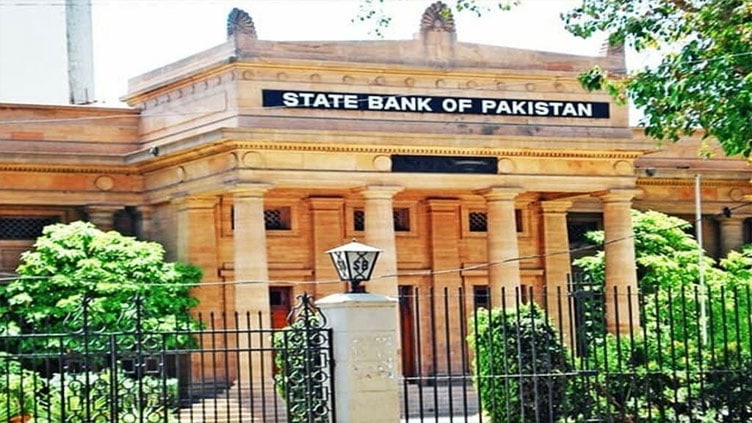
KARACHI – The State Bank of Pakistan (SBP) has introduced new requirements for commercial banks aimed at increasing female participation in the banking industry, setting a target of 22% women representation by December 2028.
Under its Banking on Equality Policy 2026, the central bank has instructed financial institutions to develop comprehensive recruitment and employment strategies, supported by specific implementation schedules, to improve gender diversity across their operations.
The policy also encourages banks to consider women’s preferred locations when assigning staff to branches and offices. The measure is intended to reduce transportation and mobility-related difficulties that often discourage women from pursuing or continuing banking careers.
To improve women’s access to senior positions, banks have been asked to establish transparent, performance-based promotion systems. They must also introduce professional development initiatives, including mentoring, specialised training and coaching opportunities for female employees.
The SBP is further seeking greater female representation in financing-related roles. Banks have been encouraged to appoint more women officers to departments dealing with microfinance, agricultural lending, small and medium-sized enterprises (SMEs), housing and sustainable financing.
According to the central bank, increasing women’s involvement in these positions could help improve financial access for female entrepreneurs and borrowers.
The new guidelines also place emphasis on creating supportive and secure working environments. Banks are required to follow applicable workplace harassment regulations and provide maternity, miscarriage and iddat leave in accordance with relevant laws and rules.
Financial institutions have additionally been asked to facilitate working mothers through childcare arrangements, including daycare services or financial allowances.
SBP figures indicate that women’s participation in Pakistan’s banking workforce has improved in recent years, rising from 13% in 2021 to 17% in 2025.
The number of female employees in the sector has reached approximately 50,000, following the addition of nearly 17,500 women to the workforce over the past four years.
About the Author