ISLAMABAD – Pakistan gets fresh boost with $3 billion rollover from Saudi Arabia, easing immediate repayment pressure as hopes fade for a proposed $10 billion US support facility.
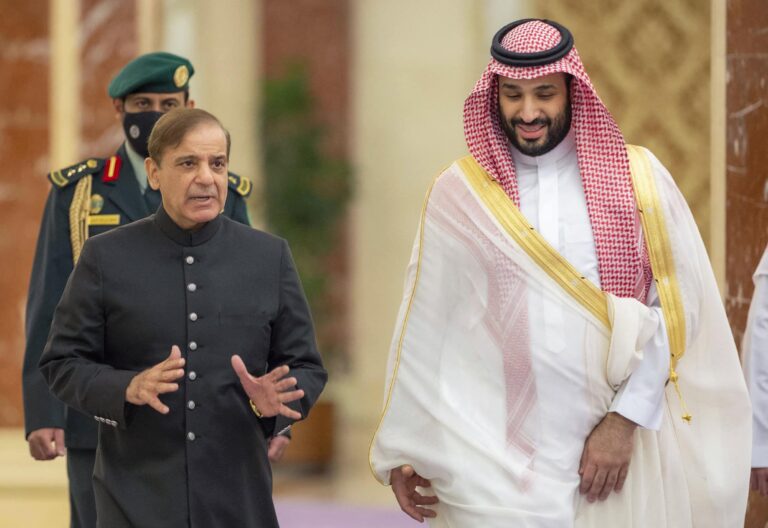
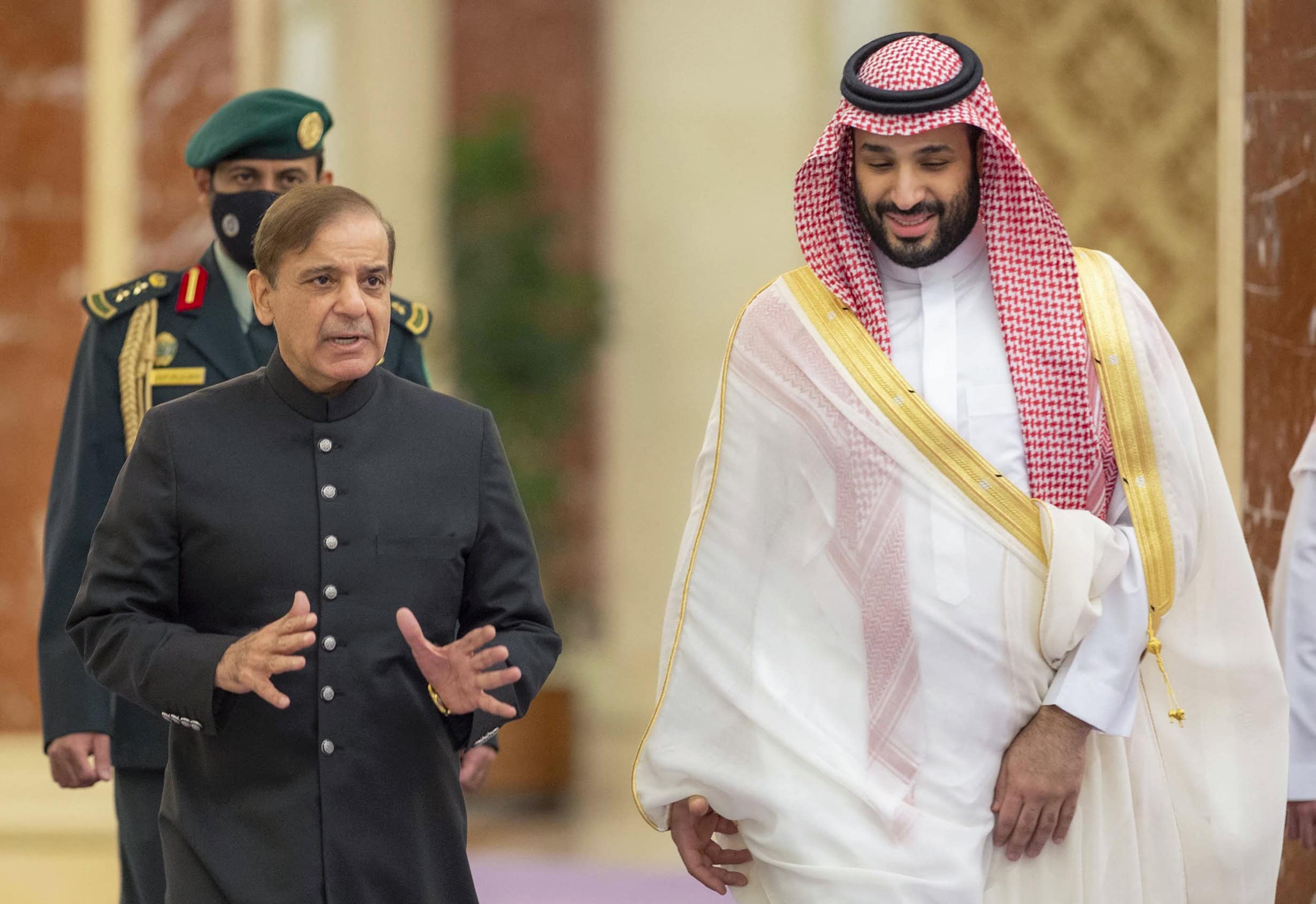
Finance Minister confirmed that Saudi Arabia agreed to roll over the deposit amif successful discussions with his Saudi counterpart, Mohammed Al-Jadaan, on the sidelines of the World Bank and International Monetary Fund (IMF) meetings in Bangkok.
The development comes as Islamabad attempts to manage billions of dollars in foreign repayments, reduce its dependence on short-term borrowing and secure fresh funding from international financial markets.
Although finance minister calls Saudi extension as covering reasonable period, he did not reveal its exact duration. Some reports suggest the arrangement could remain in place for another year, but no revised maturity date has been officially announced.
$3 billion Saudi facility was initially arranged in April 2026 as Pakistan faced approximately $3.5 billion in repayment obligations to the United Arab Emirates. Originally provided for three months, the deposit was due to mature around October 31, prompting concerns over whether Islamabad would have to arrange alternative financing.
The latest rollover eased those concerns, allowing Pakistan to retain the funds in its foreign exchange reserves rather than face an immediate repayment.
Saudi Arabia separately extended another $5 billion financial arrangement until 2028, reinforcing Riyadh’s position as one of Islamabad’s most important financial partners. Despite its continued reliance on Saudi support, the Pakistani government has denied approaching Riyadh for additional assistance beyond existing arrangements.
While Pakistan has secured relief from Saudi Arabia, uncertainty continues to surround a much larger financial arrangement proposed to Washington. Earlier this year, Islamabad sought $10 billion Exchange Stabilisation Support Facility from the US Treasury to strengthen its external liquidity position and provide protection against potential financial shocks.
The proposed arrangement was designed as a financial backstop rather than a conventional borrowing programme. However, Aurangzeb has now signalled that Pakistan is no longer depending on the facility to meet its financing requirements.
The finance minister indicated that restoring access to international capital markets had become the government’s central priority, adding that Islamabad would proceed with its economic financing strategy whether or not the United States supported the proposal.
Some reports have suggested that Washington is unlikely to approve the arrangement, although no definitive public announcement on its status has emerged. Instead, Pakistan is exploring alternative funding channels, including fresh Eurobond issuances, Chinese Panda bonds and rupee-linked securities settled in US dollars.
Islamabad’s renewed focus on international investors follows its successful return to global bond markets in September 2026. The South Asian nation raised $3 billion through a dual-tranche Eurobond issuance that attracted nearly $6 billion in investor orders, signalling substantial demand for the country’s sovereign debt.
The transaction, described as Pakistan’s largest single international bond offering, included a $1.75 billion tranche carrying a 7.5% coupon with a maturity of five and a half years. A second tranche raised $1.25 billion through ten-year bonds offering a 7.9% coupon. The respective yields were approximately 7.75% and 8.25%.
Officials believe the strong investor response has opened the door for additional international borrowing on longer maturities, potentially reducing the pressure created by frequent repayments of short-term debt.
IMF’s $1.2 Billion Expected Next Month
Another major financial development is expected in December, when Pakistan anticipates approval for approximately $1.2 billion in fresh IMF funding. The anticipated release follows October staff-level agreement covering the fourth review of Pakistan’s approximately $7 billion Extended Fund Facility and the third review of the Resilience and Sustainability Facility.
Subject to approval by IMF Executive Board, Islamabad is expected to receive around $1 billion under the EFF and another $210 million through the RSF. The government expects the funds to strengthen its external position and support its ongoing economic stabilisation programme.
Financial assistance from Saudi Arabia, China and other bilateral partners also remains an important component of Pakistan’s IMF-supported financing framework, with earlier commitments involving foreign deposits totalling approximately $12.5 billion.
Pakistan’s improved foreign exchange position has provided the government with greater confidence in managing upcoming international payments. State Bank of Pakistan reserves reached approximately $21.52 billion on October 23, 2026, a level government officials have described as a historic high.
The reserves currently provide more than three months of import coverage, while the government is targeting four months of coverage by the end of the calendar year. Authorities expect international capital market transactions and other external inflows to help achieve that objective.
At the same time, Islamabad intends to keep the current account deficit at no more than 1% of gross domestic product to contain pressure on the country’s external accounts.
The finance minister also highlighted improvements in Pakistan’s debt indicators, arguing that the country’s borrowing trajectory has become more manageable. Public debt declined to approximately 68.3%–68.6% of GDP by the end of June 2026, compared with around 75% in the 2022–23 period.
Annual debt growth slowed to 7.7%, reportedly its lowest rate in approximately two decades. Domestic debt stood at around Rs58.8 trillion by the end of August 2026, while the external debt stock remained close to $98.2 billion. According to the government’s assessment, Pakistan has also managed to slow the annual accumulation of foreign debt.
External borrowing previously increased by $5 billion to $6 billion annually, but additions to the debt stock have reportedly averaged closer to $1 billion in recent years.
About the Author