The province is expanding electric bus services, subsidising farm machinery and tightening industrial emissions controls under its 10-year smog mitigation plan.
LAHORE – Punjab reported a 43 per cent decline in patient numbers across five smog-related disease categories in the first 10 months of 2026, according to provincial government data. The government also said Lahore recorded its cleanest October in five years.
The number of reported patients fell to 7.03 million between January and October, from 12.4m in the same period last year. The data showed a 44pc drop in patients with respiratory illnesses and a 47pc decline in those with nose and throat infections. Reported asthma cases fell by 27pc, while the number of chronic lung disease patients declined by 18pc.
The health figures show a decline in reported patient numbers. Establishing how much of that decline can be attributed to pollution controls would require further analysis.
Electric buses and emissions checks
Punjab’s 10-year smog mitigation plan targets major sources of air pollution throughout the year, including vehicle exhaust, industrial emissions and crop-residue burning.
The provincial government says 1,100 electric buses are operating across 28 districts, with another 1,900 planned. Authorities have also carried out around 1.2m vehicle emissions tests to identify vehicles exceeding prescribed limits.
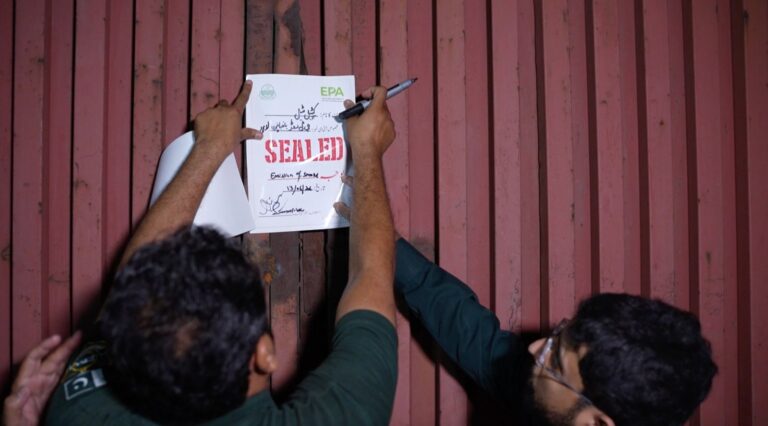
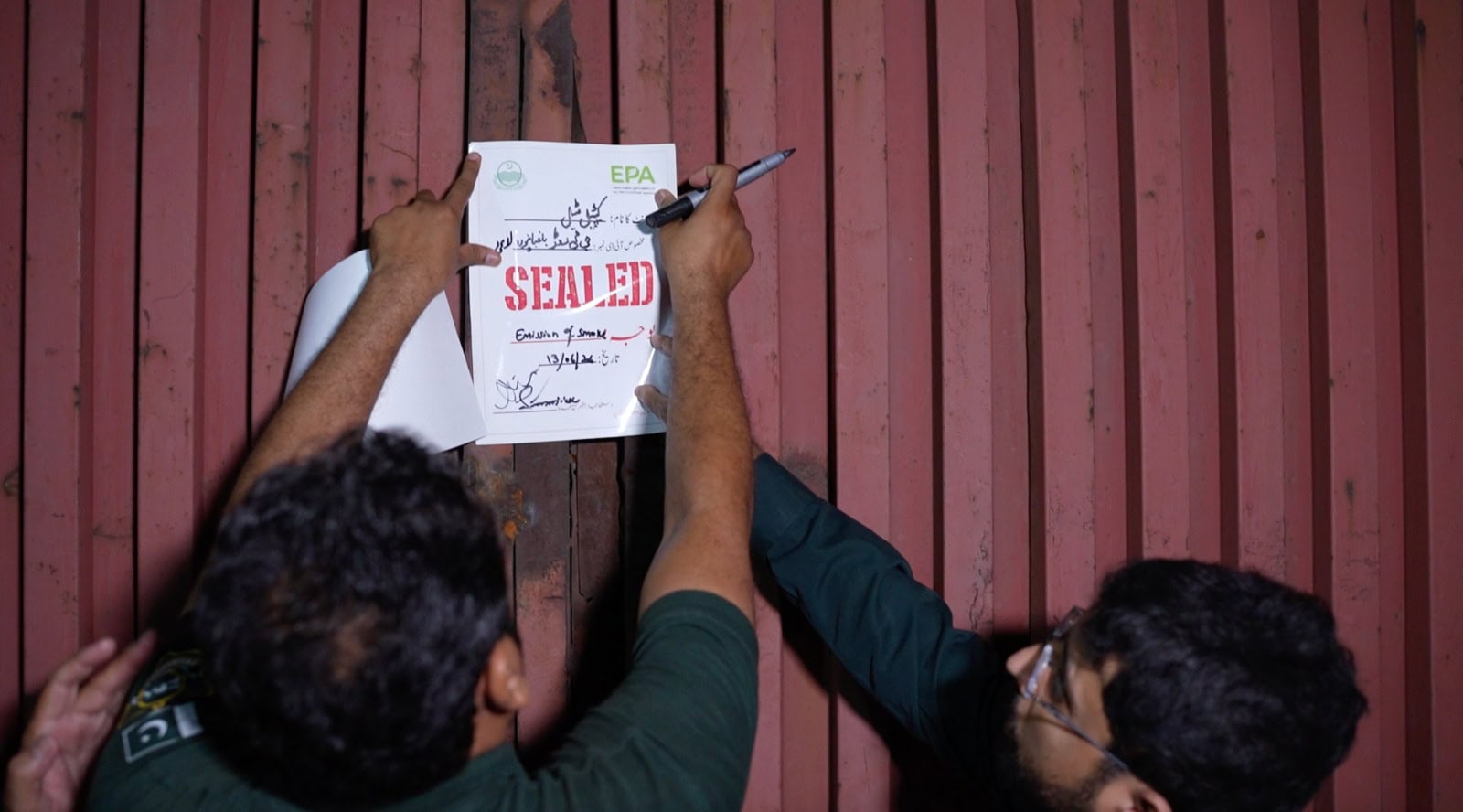
According to the campaign’s November fact sheet, more than 14,000 emissions control systems have been installed, covering over 96pc of the industrial units targeted under the programme. All 8,000 brick kilns covered by the initiative have switched to zigzag technology, which improves fuel combustion and reduces smoke.
Crop fires and air quality monitoring
Punjab has supplied more than 10,045 super seeders to farmers at a 60pc subsidy. The machines allow farmers to sow the next crop without burning leftover rice straw. Reported crop-fire incidents fell by 65pc in 2025 compared with 2024.
The province has also set up 67 quick response units staffed by 750 officers in major rice-growing districts. Reuters reported that the teams aim to reach crop fires within 10 to 15 minutes of receiving a report.
The government says it has installed 80 air quality monitors and aims to increase that number to 103 by the end of 2026. The expanded network will track pollution across urban, industrial and agricultural areas. Winter weather can trap pollutants close to the ground, while winds can carry pollution across district and provincial boundaries.
About the Author