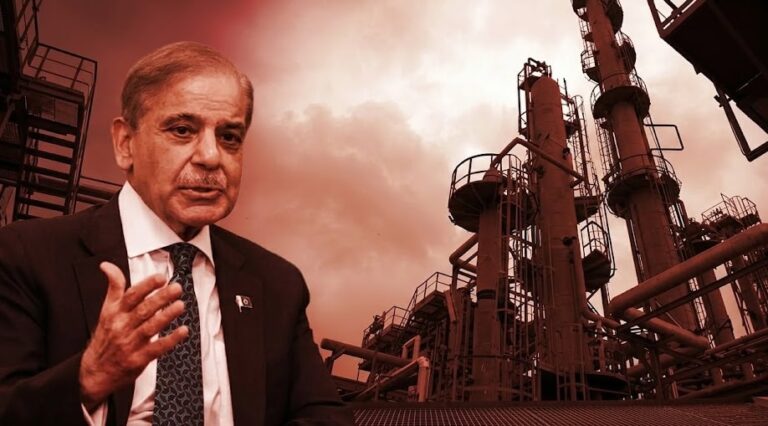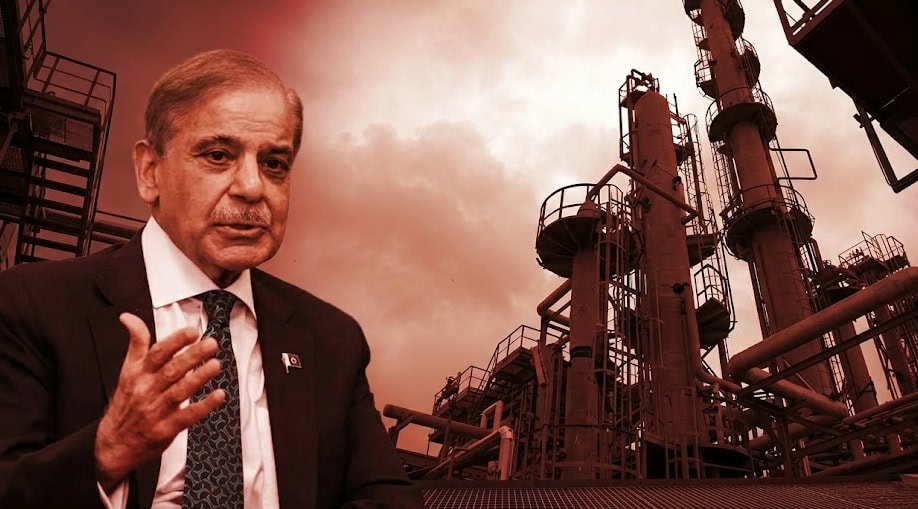
ISLAMABAD – Pakistan has taken major step for its energy sector as Prime Minister Shehbaz Sharif approved key amendments to Pakistan Oil Refining Policy 2023 to unlock billions of dollars in investment, slash fuel imports, and pave the way for cleaner Euro-5 fuels.
Chairing meeting of Cabinet Committee on Energy, the premier said modernising the country’s ageing refineries is need of the hour to strengthen Pakistan’s energy security, improving fuel quality, and cutting dependence on imported petroleum products.
The revised policy focuses on upgrading existing brownfield refineries, enabling them to produce Euro-5 and Euro-4 compliant petrol and diesel while significantly cutting furnace oil output, which has become increasingly uneconomical due to falling domestic demand.
The refinery overhaul would substantially expand local production of high-value transport fuels, improve operational efficiency, and help Pakistan meet international environmental commitments by reducing harmful emissions and supplying cleaner fuel to consumers.
Sharif warned that there would be zero tolerance for delays in implementing the policy. He directed ministries and regulators to maintain close coordination with stakeholders to ensure projects move ahead without bureaucratic hurdles. He also ordered reforms within the Oil and Gas Regulatory Authority (OGRA) to improve market efficiency, strengthen transparency, encourage competition, and create a more attractive climate for domestic and foreign investment.
PM directed authorities to hold investment roadshows in Qatar, Saudi Arabia, and other Gulf states to showcase opportunities under the amended refinery policy. He also instructed officials to expand Pakistan’s strategic petroleum reserves to improve the country’s preparedness against future supply disruptions.
The government estimates the refinery modernisation programme could attract $5 billion to $6 billion in investment across Pakistan’s five major refineries, PARCO, Attock Refinery Limited (ARL), National Refinery Limited (NRL), Pakistan Refinery Limited (PRL), and Cnergyico. The policy offers a range of incentives, including seven years of tariff protection through a deemed duty mechanism, financial support via escrow accounts funded by incremental duties, and tax exemptions on imported machinery needed for refinery upgrades.
Pakistan currently imports nearly 70% of its petrol requirements and around 30% of its diesel demand, despite having domestic refining capacity. Upgraded refineries are expected to nearly double petrol production, increase diesel output by almost 47%, and reduce furnace oil production by approximately 78%. The shift is expected to save between $1 billion and $3 billion annually in foreign exchange by replacing imported refined fuels with locally produced alternatives, while reducing exposure to volatile international oil markets.
Environmental benefits are also expected to be substantial. Euro-5 fuels contain far lower sulphur content than older fuel grades, helping cut vehicle emissions, improve urban air quality, reduce respiratory illnesses, and enhance the performance and lifespan of modern engines.
The prime minister praised Petroleum Minister Ali Pervaiz Malik and his team for finalising the policy amendments, calling the reforms a critical milestone in Pakistan’s broader strategy to modernise its energy sector.
News Desk
About the Author