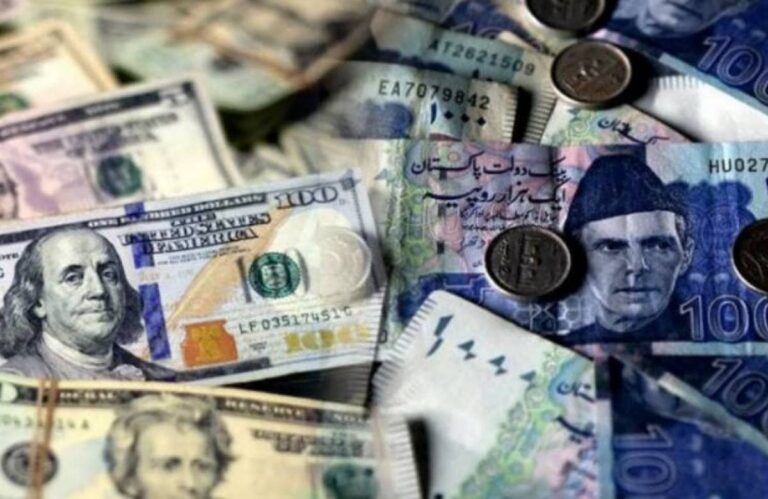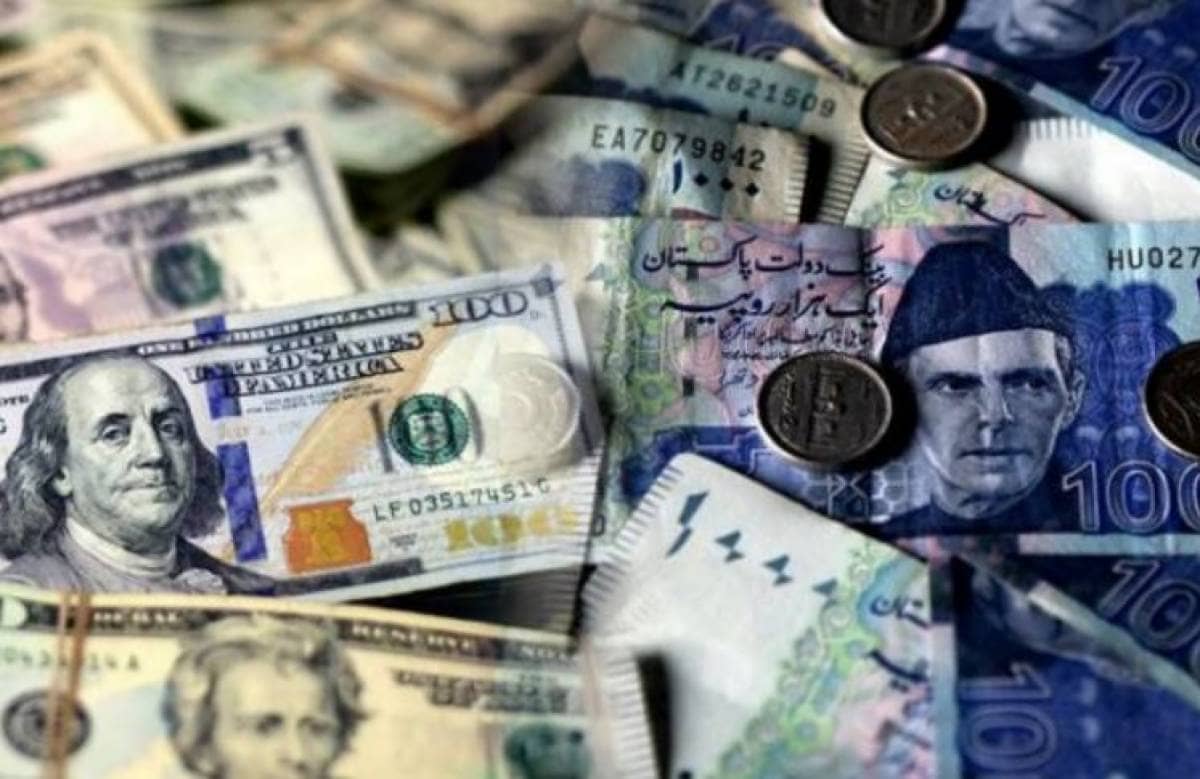
ISLAMABAD – Pakistan’s foreign exchange reserves climbed to nearly $27 billion amid an improvement in country’s external financial position as the State Bank of Pakistan (SBP) continues strengthening its dollar holdings.
Pakistan’s total liquid foreign exchange reserves stood at $26.84 billion as of November 6, 2026, reflecting a marginal weekly decline of approximately $26 million. SBP maintained its upward momentum, with its reserves increasing by $11.3 million to $21.57 billion, compared with $21.56 billion a week earlier.
| Category | Reserves | Weekly change |
|---|---|---|
| State Bank | $21.5725 billion | +$11.3 million |
| Commercial banks | $5.2662 billion | −$37 million |
| Total reserves | $26.8387 billion | −$26 million |
The available foreign exchange buffer was estimated to cover approximately three months of imports, offering Pakistan some protection against external financing pressures.
The latest figures shows sharp improvement since June 2026, when the central bank closed FY2025–26 with approximately $18.4 billion in reserves, exceeding its $18 billion target. By early November, SBP reserves had expanded by nearly $3.17 billion, while Pakistan’s combined liquid reserves rose from approximately $23.2 billion at the end of June to $26.84 billion.
According to the central bank’s annual assessment, the SBP purchased approximately $8.1 billion from the foreign exchange market during FY2025–26 and reduced its forward and swap liabilities by around $1.6 billion.
Pakistan’s growing dollar reserves have been supported by external financing, increased workers’ remittances and central bank purchases from the interbank market.
State Bank raises Policy Rate to 12pc as Inflation risks Mount in Pakistan
Financial assistance under the IMF’s Extended Fund Facility and Resilience and Sustainability Facility, alongside bilateral support, commercial borrowing, debt rollovers and bond-related financing, has contributed to the recovery. Strong remittances and information technology exports have also helped ease pressure on the current account, partially offsetting the country’s merchandise trade deficit.
About the Author