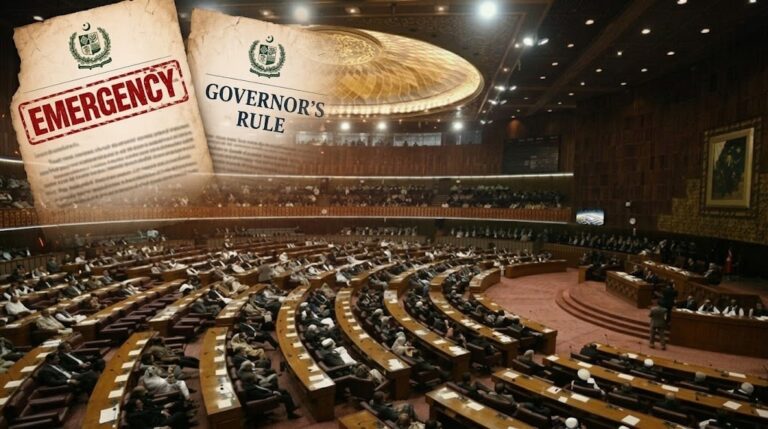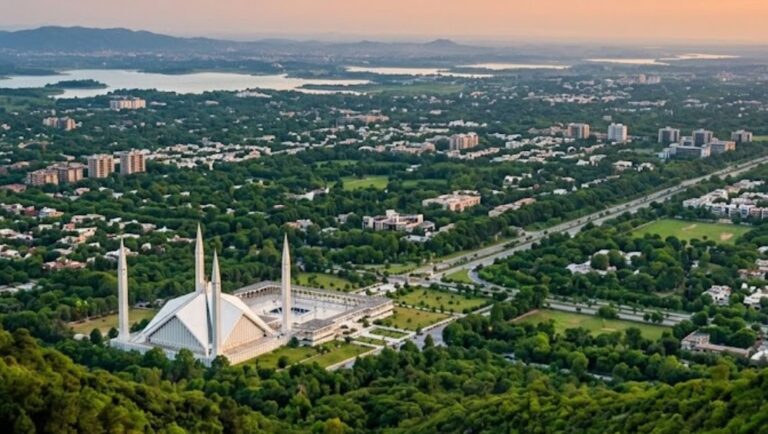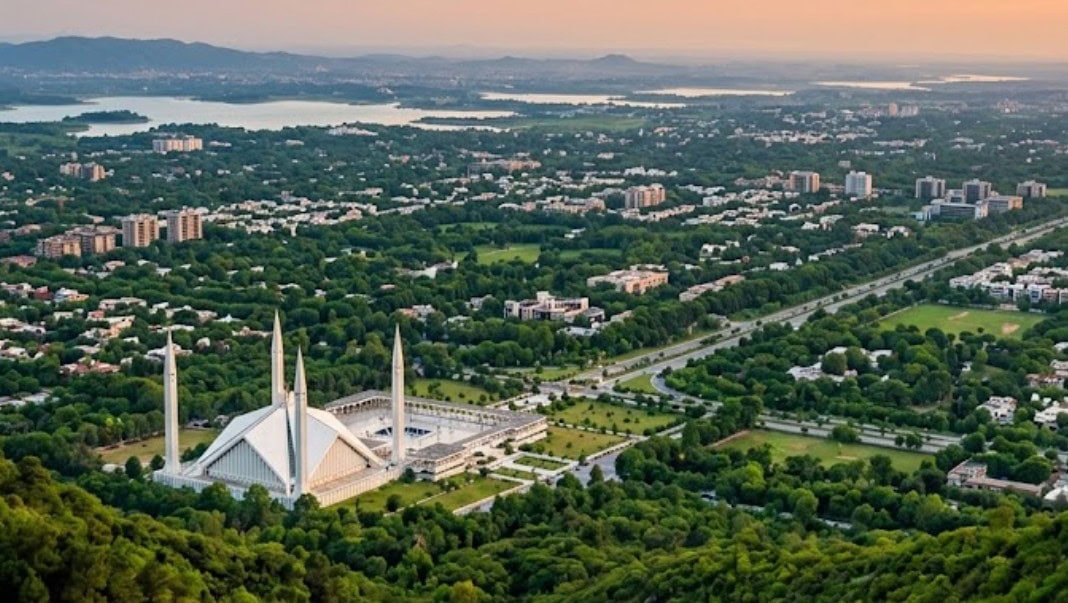
ISLAMABAD – The beautiful city of Islamabad offers a better quality of life than top global cities. A surprising global ranking puts Pakistan’s capital ahead with a score of 140.7, showing how affordability, safety and climate can reshape the way cities are judged.
Islamabad outscored UK capital, America’s most populous city and the French capital in 2026 Mid-Year Quality of Life Index compiled by Numbeo, putting Pakistan’s capital ahead of several internationally renowned cities in a ranking that measures various aspects of urban living.
According to the index, Islamabad secured score of 140.7, surpassing Paris at 138.8, Budapest at 138.6, Johannesburg at 138.1, New York at 137.3 and London at 135.8. Kuala Lumpur, with a score of approximately 135.3, also ranked below the Pakistani capital.
|
city |
Quality of Life Index |
|---|---|
|
Mangalore, India |
142.1 |
|
Turin, Italy |
142.0 |
|
Islamabad, Pakistan |
140.7 |
|
Pretoria, South Africa |
139.7 |
|
Novi Sad, Serbia |
139.7 |
|
Sofia, Bulgaria |
139.3 |
|
Montevideo, Uruguay |
139.1 |
|
San Juan, Puerto Rico |
139.0 |
|
Iasi, Romania |
138.8 |
|
Paris, France |
138.8 |
|
Budapest, Hungary |
138.6 |
|
Johannesburg, South Africa |
138.1 |
|
Guangzhou, China |
137.7 |
|
New York, NY, United States |
137.3 |
|
Tashkent, Uzbekistan |
137.2 |
|
Detroit, MI, United States |
135.9 |
|
London, United Kingdom |
135.8 |
|
Chiang Mai, Thailand |
135.7 |
|
Kuala Lumpur, Malaysia |
135.3 |
The fresh ranking show comparison between Islamabad and some of the world’s most prominent metropolitan centres, although the results do not mean that Islamabad outperforms these cities in every aspect of daily life.
Islamabad recorded substantially higher quality of life score than Lahore and Karachi, according to the mid-year figures. The capital scored 140.7, while Lahore registered 98.4 and Karachi stood at 76.1, highlighting a considerable gap among Pakistan’s three major urban centres in the index.
Islamabad remains far behind the world’s highest-scoring cities. The Hague topped the global rankings with 221.5, followed by Eindhoven at 210.7 and Seattle at 182.5.
Islamabad’s affordability appears to be one of its most notable advantages over expensive international cities. Numbeo assigned the capital a Cost of Living Index score of just 25.3, compared with 100 for New York, 88.2 for London and 78.6 for Paris.
The comparison suggests that everyday expenses in Islamabad are considerably lower than in these major international cities. However, the index scores are comparative measures rather than direct estimates of household spending, and actual costs depend on income, lifestyle and individual circumstances.
Safety is another area where Islamabad recorded a relatively favourable score. The city received 69.2 on Numbeo’s Safety Index, while its healthcare index stood at 63.7. The capital also recorded a climate score of 76.9, alongside a pollution index of 41.5 and a traffic commute time index of 35.9.
Despite these advantages, Islamabad’s Purchasing Power Index score of 43.7 points to a potential weakness in residents’ ability to buy goods and services relative to local costs. The city also recorded a Property Price-to-Income Ratio of 14.3, highlighting another important consideration for people assessing housing affordability.
The index shows mixed picture of life in Pakistan’s capital. Relatively low living costs, a favourable safety score and climate appear to strengthen its overall position, while purchasing power and housing affordability remain important factors to consider.
For residents, a lower cost of living does not automatically translate into greater financial comfort, particularly when household incomes and property prices are taken into account.
Similarly, a higher overall score does not necessarily mean better public transport, healthcare access, employment opportunities or living standards for every segment of the population.
Numbeo’s Quality of Life Index is based largely on crowdsourced information, including user-submitted data and perceptions, rather than exclusively on official government statistics.
The index combines several factors to provide a comparative picture of urban living conditions. Its results should therefore be interpreted as an indicative comparison rather than a definitive scientific assessment of quality of life.
Karachi ranked second in Forbes list of world s riskiest cities
News Desk
About the Author