ISLAMABAD – Pakistan appears to have discovered one robust way to beat financial targets, by collecting more from petroleum consumers than originally planned.
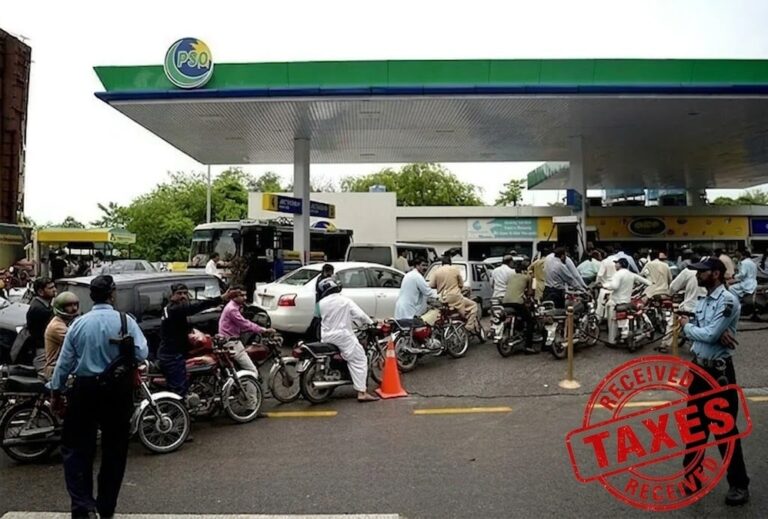
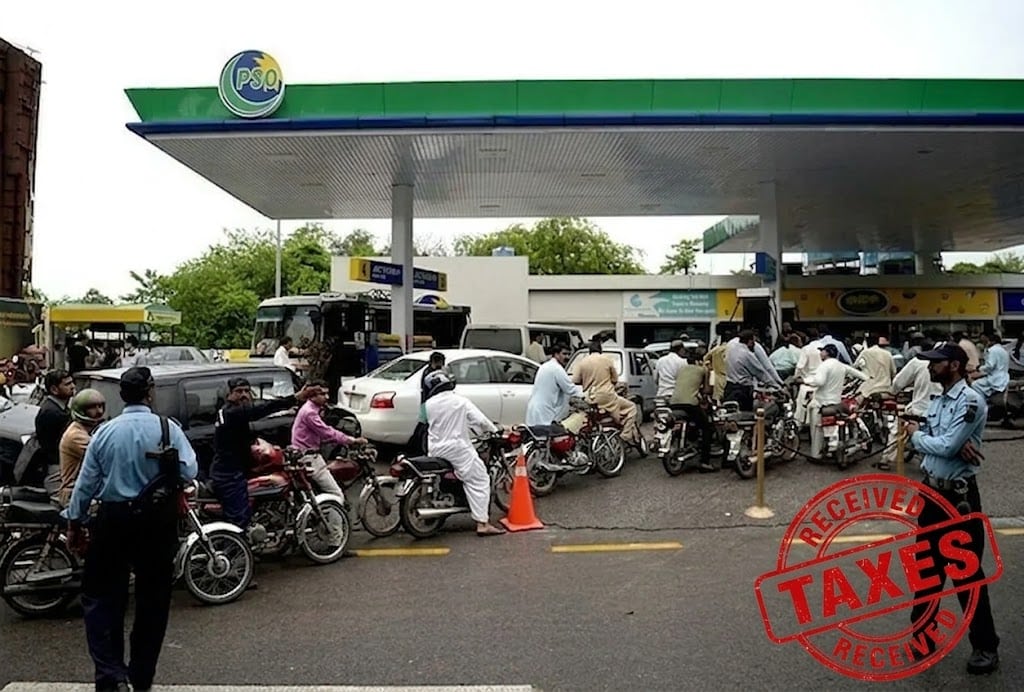
The federal government collected Rs1,567 billion in petroleum levy by June 2026, comfortably sailing past its Rs1,468 billion target by Rs99 billion, according to sources.
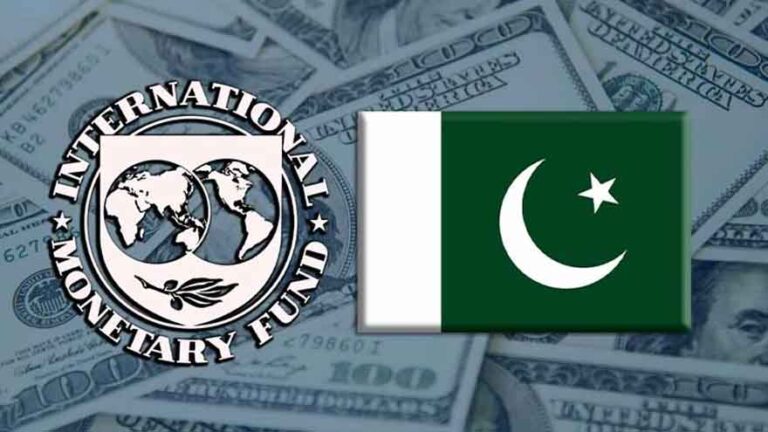
The timing could hardly be more interesting, as Ministry of Finance and the International Monetary Fund (IMF) are set to begin negotiations on Monday, with the talks expected to continue until October 7, And petroleum levy is set to remain under limelight during the discussions.
IMF delegation will conduct fourth review of Pakistan’s ongoing loan programme and is also scheduled to meet Finance Minister Muhammad Aurangzeb.
Policy-level negotiations for the next loan tranche are expected during the first week of October, which means Pakistan can now arrive at the negotiating table with one particularly impressive number of Rs99 billion more than the petroleum levy target.
According to Finance Ministry sources, the government will also brief the IMF on Prime Minister Shehbaz Sharif’s petrol subsidy scheme, while presenting details of tax and non-tax revenues collected up to June 30, 2026. So, while motorists have been paying at the pump, the government has apparently been doing some very successful target-busting of its own.
The petroleum levy target for June 2026 was fixed at Rs1.468 trillion, but actual collections reached Rs1.567 trillion, roughly Rs99 billion above target.
Finance Ministry sources claim Pakistan achieved most of its economic targets, and if the upcoming negotiations go smoothly, the country could secure approval for the fifth tranche of the IMF programme.
Lately, Petroleum Minister Ali Pervaiz Malik said the government could extend its Rs100-per-litre petrol subsidy for up to 10 months, with the scheme currently costing Rs35–40 billion monthly and attracting over 6 million registrations.
Malik said relief could continue for as long as necessary, while assuring that Pakistan would not face a petrol shortage and clarifying that his earlier Rs1,000-per-litre remark referred to a possible shortage situation.
Pakistan’s Petrol Levy Explained: The Tax That Could Cost More Than It Raises
News Desk
About the Author