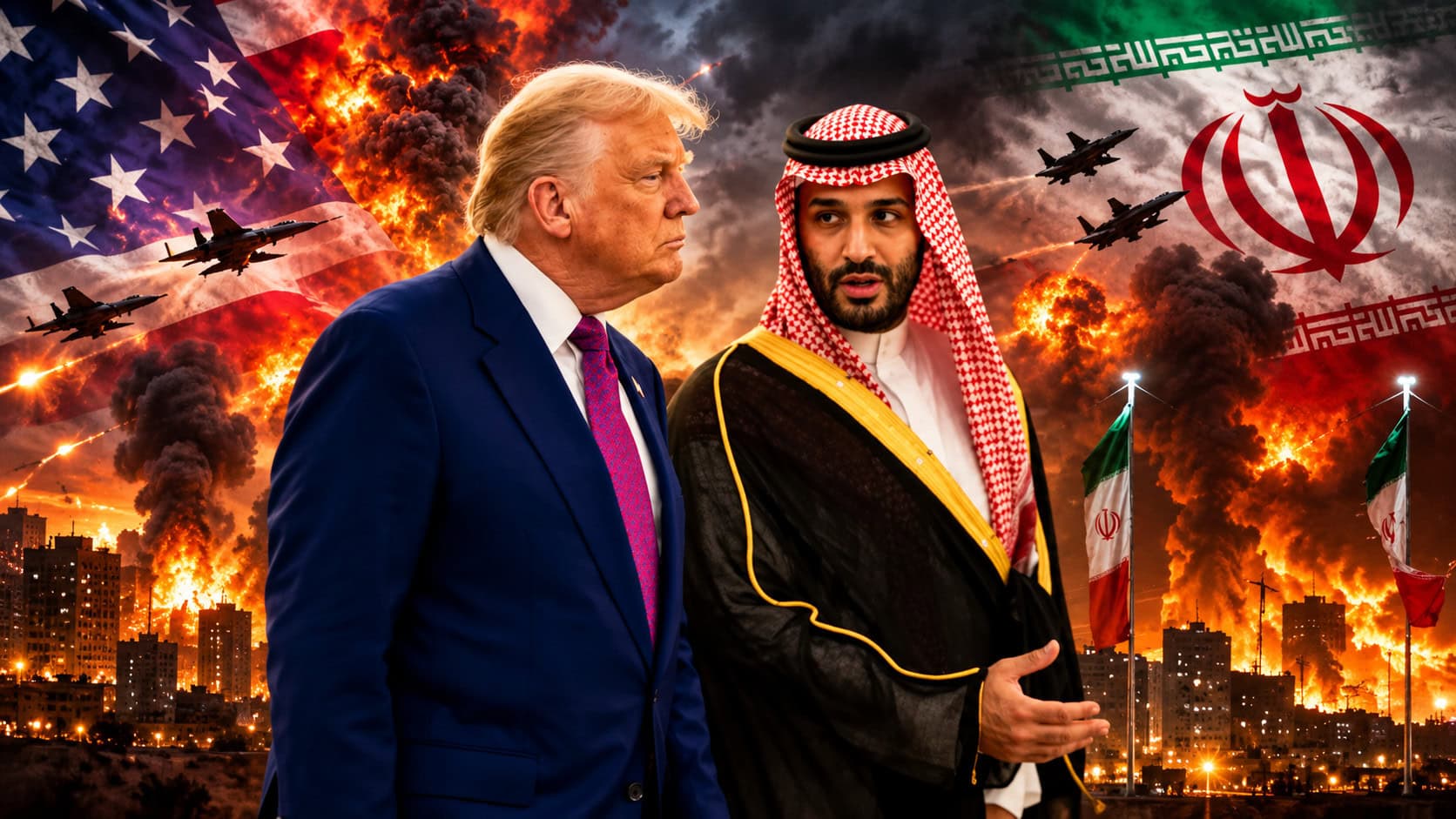
WASHINGTON – Fears of another devastating war in Middle East are mounting as US reportedly alerted several Gulf Arab countries to prepare for a possible high-intensity military offensive against Iran immediately after the November 3 congressional elections.
The warning delivered through diplomatic and military channels, comes amid growing indications that US President Donald Trump is weighing another large-scale assault on Iranian nuclear installations, military facilities and vital infrastructure.
As per WSJ reports, Washington is considering relatively brief but powerful military campaign intended to weaken Tehran’s remaining capabilities and increase pressure on its leadership to return to negotiations. Although Trump has not authorised a new offensive, people familiar with his thinking believe he is increasingly inclined toward military action after the midterm elections.
The developments raised serious concerns among Gulf governments, which fear becoming targets of Iranian retaliation if American and Israeli forces resume major combat operations.
The possibility of another military confrontation is being reinforced by a series of American deployments across the region. Pentagon is reportedly transferring a Patriot missile defence system from Texas to strengthen regional protection against incoming missiles and drones. American military personnel have also been relocated from bases considered vulnerable to Iranian attacks.
US forces are replenishing ammunition and preparing strategic bombers and fighter jets for potential combat missions. The naval buildup is equally significant. An additional aircraft carrier strike group and a Marine expeditionary unit are expected to move into the Middle East next month, joining an American naval presence currently estimated at roughly 20 warships, although some existing vessels could be replaced through routine rotations.
Israel is also reportedly preparing military options for possible renewed strikes, increasing speculation about another coordinated offensive against Iran. The preparations suggest Washington wants sufficient firepower in position not only to strike Iranian targets but also to defend American troops, regional allies and strategic installations against retaliation.
Trump also insisted that Washington remained in control of the confrontation, asserting that the conflict could end quickly whenever he chose, provided Iran was prevented from obtaining a nuclear weapon. He again claimed that previous American operations had destroyed Iran’s nuclear enrichment capabilities and inflicted severe damage on the country’s military strength.
Despite growing speculation, the White House has declined to discuss the reported operational preparations, maintaining that sensitive military decisions cannot be publicly confirmed or denied.
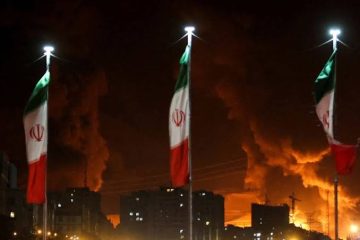
The latest tensions come after two major American military campaigns that dramatically transformed the confrontation between Washington and Tehran. In June last year, US launched Operation Midnight Hammer, deploying B-2 stealth bombers, powerful bunker-busting weapons and Tomahawk cruise missiles against nuclear facilities at Fordow, Natanz and Isfahan.
A much wider conflict erupted on February 28, 2026, when American and Israeli forces initiated Operation Epic Fury, known by Israel as Operation Roaring Lion. The campaign targeted Iranian missile installations, air defence networks, military facilities and strategic infrastructure. Supreme Leader Ali Khamenei and several senior Iranian officials were assasinated during the fighting.
Pakistan played key diplomatic role in efforts to end the confrontation, helping facilitate the Islamabad Memorandum of Understanding in June 2026. The framework proposed a pathway toward ending hostilities, restoring maritime traffic through the Strait of Hormuz and removing restrictions imposed by the American naval blockade.
Despite the damage sustained during earlier fighting, Tehran reportedly retains considerable missile capabilities and has been working to rebuild portions of its military arsenal. Iran used periods of reduced hostilities to replenish weapons, repair defensive infrastructure and strengthen its ability to withstand another offensive.

News Desk
About the Author