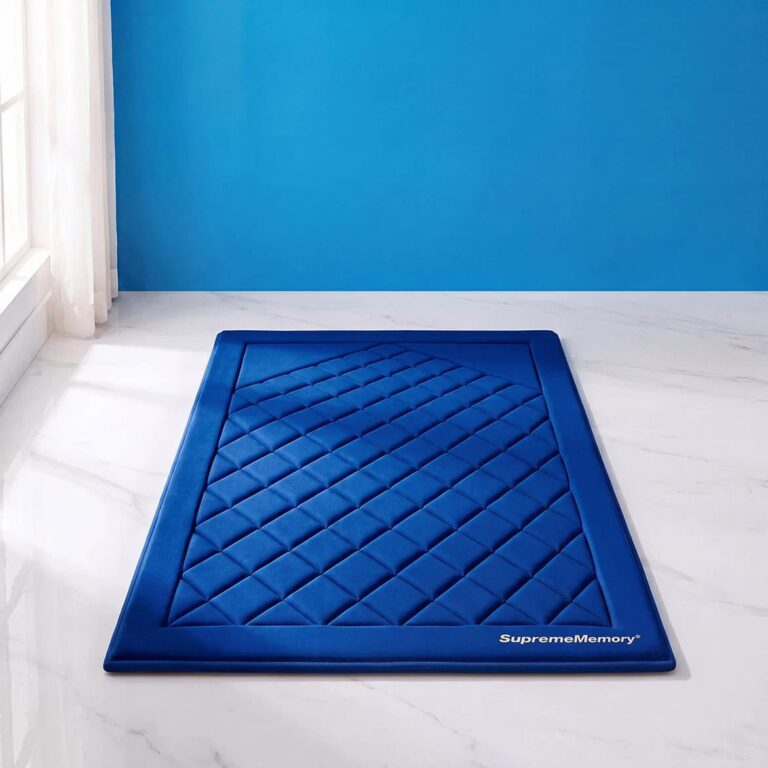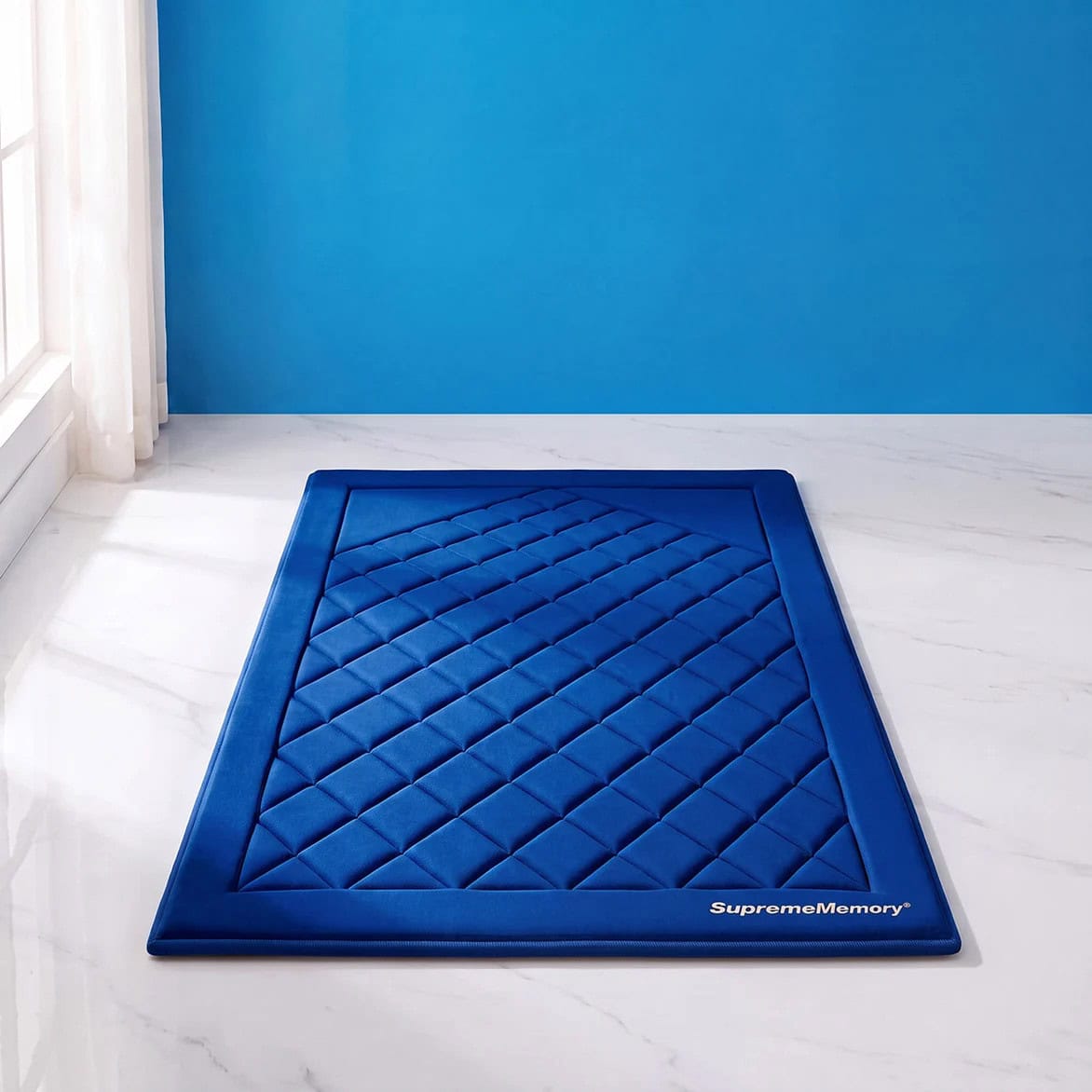
A memory foam prayer mat is a cushioned version of the traditional Ja Namaz (Janamaz or Jai Namaz), designed to provide a softer surface for daily Salah. Unlike a thin fabric prayer mat, a foam-based mat adds cushioning on hard surfaces such as marble, tile, ceramic, or wooden floors.
For people who pray or simply prefer a softer prayer surface, a memory foam Ja Namaz can be a practical addition to the home.
With more people looking for added cushioning during daily prayer, Diamond Supreme Foam has now introduced its memory foam prayer mat in Pakistan. It brings the softness of memory foam to a familiar Ja Namaz design, offering a more cushioned surface for the knees, feet, and forehead during Salah.
What Is a Memory Foam Prayer Mat?
In Pakistan, a prayer mat is commonly known as a Ja Namaz, Janamaz, or Jai Namaz. Traditional prayer mats are often made from fabric, velvet, cotton, or woven materials.
A memory foam design adds a layer of cushioning beneath the outer surface. The idea is simple: instead of placing a thin fabric mat directly on a hard floor, the foam provides an additional layer between the body and the flooring.
During positions such as Sujood and Tashahhud, this cushioning can make contact points around the knees, feet, ankles, and forehead feel softer.
The main difference between the two types is straightforward:
- Traditional prayer mat: Lightweight, thin, and easy to fold.
- Foam prayer mat: Cushioned, thicker, and designed to provide additional softness on hard surfaces.
Neither option is automatically better. The right choice depends on where the mat will be used, how much cushioning is preferred, and whether portability is important.
Why Are Cushioned Prayer Mats Becoming Popular in Pakistan?
The hard marble, tile, and concrete flooring found in most Pakistani homes is a major reason people switch to cushioned mats.
The thin traditional mats offer a little protection against these hard surfaces. Padded mats provide a soft cushioning, making repetitive kneeling and prostrating much more comfortable on the knees and joints.
A prayer mat with a cushioned base can provide an additional layer between the worshipper and the floor.
There are several practical reasons someone may choose a padded Ja Namaz:
- Added cushioning on hard floors
- A softer surface around the knees and ankles
- Greater comfort during longer prayers
- Additional support for older family members
- Non-slip options for smooth flooring
- A thicker alternative to traditional thin mats
- Suitable for regular prayer at home
Soft prayer mats can also appeal to people who spend longer periods in worship, including during Taraweeh, Tahajjud, and I’tikaf.
Benefits of Using a Memory Foam Prayer Mat by Supreme Foam
1. Added Cushioning for Knees and Ankles
A foam layer can make kneeling and sitting feel less harsh than using a thin mat directly on marble or tile. This is ideal for elders too or anyone who simply prefers additional cushioning during daily Salah.
2. A Softer Surface During Sujood
A quality foam-based mat places cushioning beneath the outer fabric, creating a softer surface for the forehead, knees, feet, and other contact points. A prayer mat should still provide enough stability to allow comfortable standing during Qiyam and natural movement between prayer positions.
3. More Comfortable on Marble and Tile Floors
A prayer mat for marble floors can be particularly useful where hard flooring is common.
Rather than placing a thin fabric mat directly on marble or ceramic tile, a thicker design provides an additional layer of cushioning.
People searching for a soft prayer mat, thick prayer mat, or memory foam Ja Namaz should consider the type of flooring in the space where they normally pray.
4. Useful During Longer Prayers
A cushioned surface can be appealing to people who regularly spend extended periods in prayer.
During Ramadan, for example, Taraweeh involves repeated periods of standing, kneeling, and sitting. A supportive prayer surface may feel more comfortable for some worshippers during longer sessions.
5. An Option for Older Family Members
When choosing a prayer mat for elderly people, cushioning and stability can both be important considerations.
A softer surface may feel gentler under the knees and feet than a thin fabric mat. A stable base is equally important, particularly if the mat is being used on polished or smooth flooring.
Individual needs vary, so people with specific mobility or joint concerns should choose a prayer surface according to their own requirements and professional advice where appropriate.
6. Better Grip With a Non-Slip Base
A non-slip prayer mat can be useful on polished marble, ceramic tile, and other smooth floors.
A suitable backing can help reduce movement while standing, kneeling, or changing positions during Salah.
When choosing a Ja Namaz, it is worth checking both sides of the product. The upper material affects how the surface feels, while the backing can affect how securely the mat stays in place.
Who Should Consider a Memory Foam Prayer Mat?
A cushioned prayer mat may be worth considering if you:
- Pray several times a day at home
- Prefer a softer prayer surface
- Have marble, tile, or wooden flooring
- Spend longer periods in prayer
- Want additional cushioning around the knees and ankles
- Are choosing a prayer mat for an older parent or family member
- Prefer a premium Ja Namaz for home use
- Want a meaningful Islamic gift
- Prefer a thicker design to a traditional thin mat
It may not be the ideal choice for everyone. Someone who travels frequently, for example, may prefer a lightweight and foldable travel prayer mat that is easier to carry and store.
What to Look for in a Quality Foam Prayer Mat
Not every foam prayer mat offers the same experience. Before buying a memory foam prayer mat in Pakistan, consider the following features.
Supportive Foam
The foam should provide cushioning without making the surface excessively soft. A stable base is important because the worshipper needs to stand comfortably during Qiyam.
Comfortable Outer Fabric
The outer material comes into direct contact with the skin and face, so it should feel soft and be suitable for regular use.
Velvet and knitted materials are among the fabrics commonly used in premium prayer mats.
Non-Slip Backing
If the mat will be placed on marble or tile, consider a non-slip prayer mat with a backing that helps it stay in position.
Suitable Thickness
Thicker does not automatically mean better.
An excessively thick or soft mat can feel less stable when standing. A balanced design should provide cushioning while still allowing natural movement through the different positions of Salah.
Easy Maintenance
A prayer mat used every day can collect dust and stains over time. Before purchasing, check how the outer material should be cleaned and whether the manufacturer provides specific care instructions.
Size and Storage
A larger, thicker mat can provide more surface area but may also require more storage space.
If portability is important, a lightweight design may be preferable. For a mat that stays in one place at home, additional cushioning may be more valuable.
How to Choose the Right Ja Namaz in Pakistan
When comparing prayer mats in Pakistan, price is only one factor to consider. Think about where and how the mat will be used.
For Daily Home Use
A cushioned foam mat can be a good option if you prefer a softer surface and spend most of your prayer time at home.
For Marble or Tile Floors
Prioritize cushioning and a reliable anti-slip backing. These features may be more useful than decorative details.
For Older Family Members
Look for a stable surface that is easy to position and does not slide easily across the floor.
For Travel
A lightweight and foldable Ja Namaz is generally more convenient than a thick foam model.
For Gifting
A premium prayer mat can make a thoughtful gift for parents, newlyweds, family members, or someone preparing for Ramadan, Umrah, or Hajj.
A Memory Foam Prayer Mat by Diamond Supreme Foam
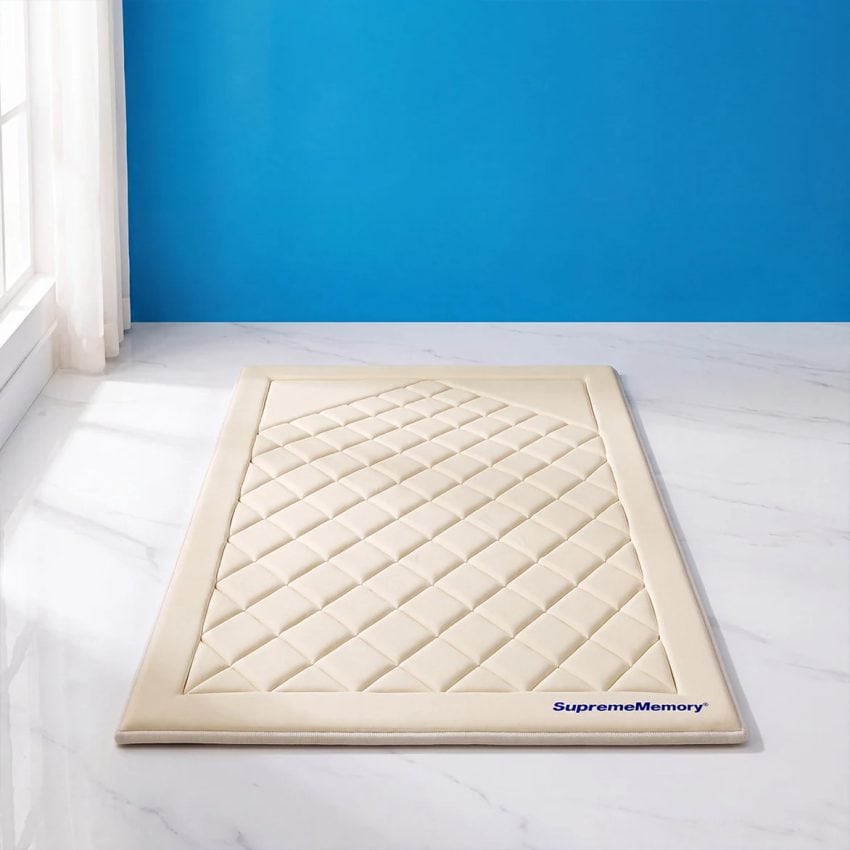
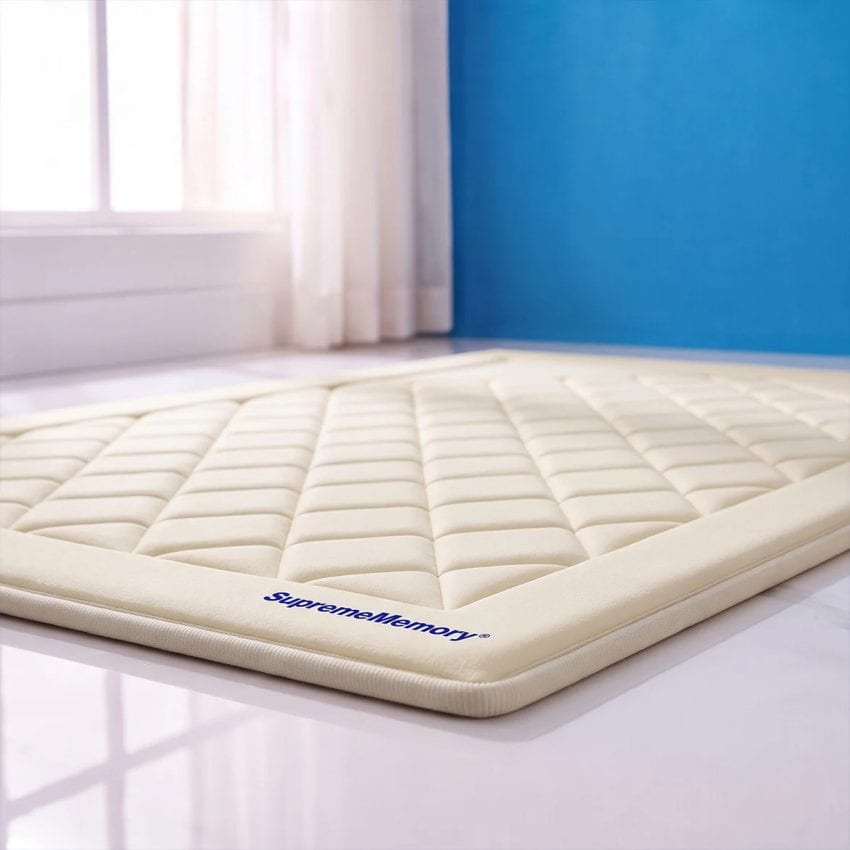
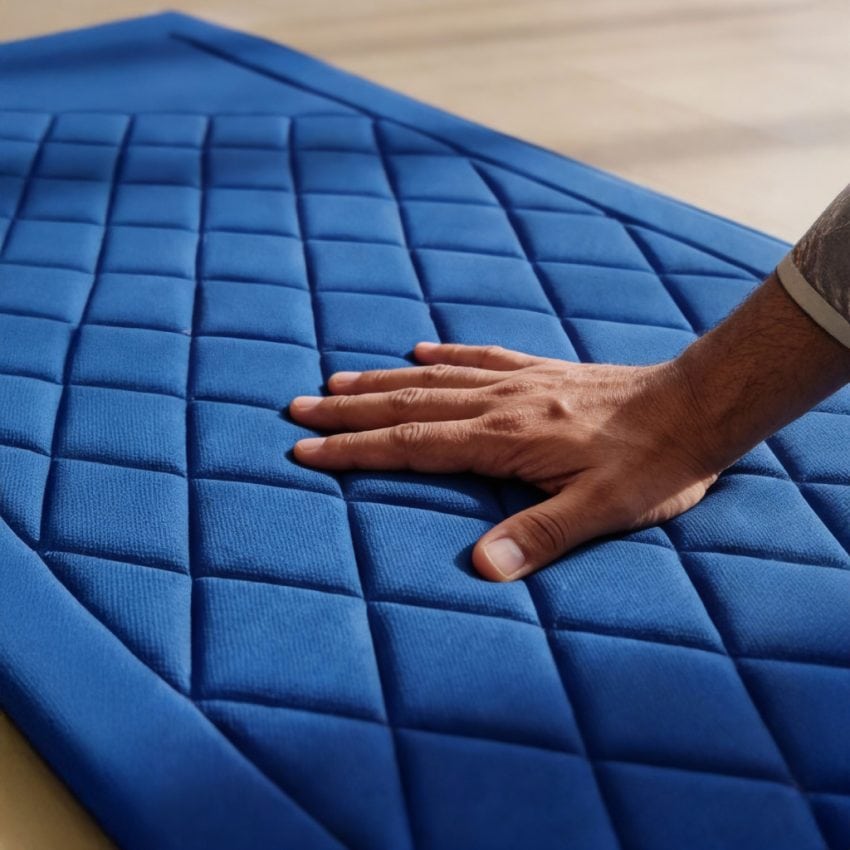
For shoppers exploring premium prayer mats in Pakistan, Diamond Supreme Foam offers a Memory Foam Prayer Mat designed to combine the traditional function of a Ja Namaz with additional cushioning.
Its foam construction provides a softer prayer surface, making it an option for people who prefer extra cushioning when praying at home, particularly on hard marble or tiled floors.
When comparing the best prayer mat in Pakistan, it is useful to look beyond appearance and consider factors such as construction, cushioning, surface material, stability, durability, and price.
A branded prayer mat can also be worth considering when purchasing one for parents, elderly family members, or as a gift.
Where to Buy a Memory Foam Prayer Mat in Pakistan
For shoppers looking for a prayer mat online in Pakistan, options are available through online marketplaces, Islamic gift stores, home and lifestyle retailers, and established foam manufacturers.
When buying online, check the product’s dimensions, material, construction, care instructions, return policy, delivery information, and current price.
One option worth exploring is Memory Foam Prayer Mat by Diamond Supreme Foam, particularly for shoppers looking for a cushioned design for regular home use.
Frequently Asked Questions
What is a prayer mat called in Pakistan?
A prayer mat is commonly called Ja Namaz, Janamaz, or Jai Namaz in Pakistan. “Prayer mat” and “prayer rug” are also widely used terms, particularly in online searches and shopping.
What is a memory foam prayer mat?
It is a cushioned Ja Namaz with a foam layer beneath the outer fabric. It is designed to provide a softer surface than a conventional thin prayer mat.
Is a memory foam prayer mat better than a traditional prayer mat?
Neither is automatically better. A traditional prayer mat is generally lightweight and portable, while a foam-based design provides additional cushioning. People praying on hard marble or tile floors may prefer the added softness.
Which prayer mat is best for elderly people?
A prayer mat with suitable cushioning, a stable base, and a non-slip backing can be a practical option for older users. Individual mobility and comfort requirements should also be considered.
Is a thick prayer mat better?
Not necessarily. Thickness should be balanced with stability. A very soft or excessively thick mat may feel less stable while standing.
Is a memory foam prayer mat good for marble floors?
A cushioned mat can provide an additional layer between the body and hard marble flooring. If the floor is polished or slippery, an anti-slip backing can also be useful.
Can I use a foam prayer mat every day?
Yes. A quality foam prayer mat can be suitable for regular daily use. Follow the manufacturer’s cleaning and care instructions to help maintain its appearance and shape.
Where can I buy a prayer mat online in Pakistan?
Prayer mats are available through online marketplaces, Islamic gift stores, home and lifestyle retailers, and established foam manufacturers. Before ordering, check the product specifications, dimensions, material, return policy, delivery details, and current price.
How do you clean a memory foam prayer mat?
Cleaning instructions depend on the construction and outer material. Follow the manufacturer’s care instructions and avoid soaking the foam core unless the product specifically states that it is washable.
Can a prayer mat help with knee discomfort?
A cushioned prayer mat may make kneeling on a hard surface feel softer by providing additional cushioning. However, it should not be considered a treatment for knee pain or another medical condition. Anyone experiencing persistent pain should seek appropriate medical advice.
Final Thoughts
The right prayer mat depends entirely on your personal comfort, floor type, and mobility needs. Rather than relying on price alone, prioritise essential features like soft cover fabric, a stable non-slip base, and supportive cushioning like Diamond Supreme Foam. Choosing a well-constructed, cushioned Ja Namaz ensures a comfortable and supportive prayer experience every day.
About the Author