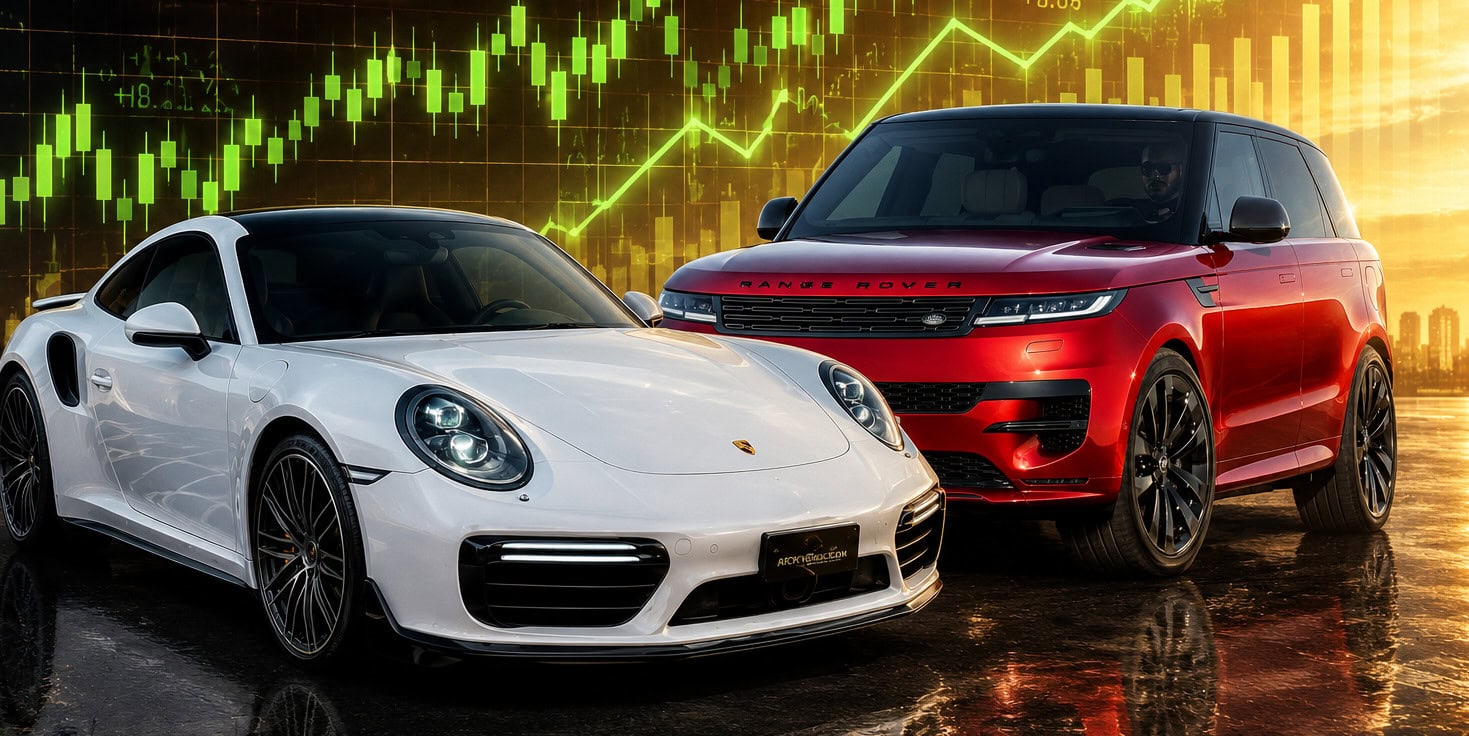
ISLAMABAD – The dream of importing luxury cars in Pakistan has become more expensive than you can imagine as the government unveiled sweeping tax increases on high-engine-capacity vehicles, introducing a new Special Excise Duty that pushes the total excise burden to as high as 132%.
The revised tax regime will bring a sharp increase in prices of imported luxury vehicles, placing many popular premium models beyond the reach of most buyers. The additional duties are expected to significantly raise import costs, forcing dealerships to revise prices once the new measures take effect.
Budget 2026-27 delivered a massive blow to the luxury automobile market, introducing one of the steepest tax hikes ever imposed on imported high-end vehicles. The new fiscal measures are set to dramatically increase the cost of premium cars and SUVs, with the total excise burden climbing as high as 132% for some models.
The biggest change comes through the introduction of a Special Excise Duty (SED) under the newly inserted Table IA of the Federal Excise Act. Unlike previous tax measures, the SED will be charged in addition to the existing Federal Excise Duty (FED), significantly raising the overall tax liability on imported Completely Built-Up (CBU) vehicles.
The new levy covers imported passenger cars, SUVs, station wagons, 4×4 double-cabin pickups, and racing vehicles. Imported vehicles equipped with 2,000cc to 3,000cc engines will now attract an 86% Special Excise Duty, while the existing 30% Federal Excise Duty remains in force. This pushes the total excise burden to an unprecedented 116%.
The heaviest taxation has been reserved for vehicles powered by engines above 3,000cc. These premium imports will now be subject to a 92% Special Excise Duty, on top of the existing 40% Federal Excise Duty, resulting in a combined excise tax of 132%.
The government however defended move as part of its broader revenue-generation strategy while discouraging the import of high-displacement vehicles. However, for consumers eyeing luxury SUVs and executive sedans, the new tax structure signals the end of relatively affordable premium imports.
Pakistan proposes federal excise duty on imported vehicles in Budget 2026-27
About the Author