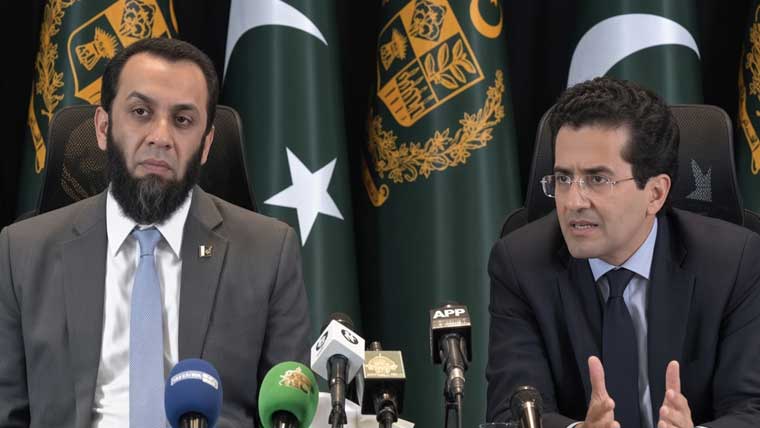
ISLAMABAD – Petroleum Minister Ali Pervaiz Malik said on Tuesday that the government will do everything possible to meet LPG demand through the winter months.
His remarks come amid disrupted LPG supplies following the closure of Iranian border crossings, which has pushed cylinder prices to twice the official rate in the open market. Besides fuelling rickshaws, LPG is widely used for cooking and other household needs by people without access to piped gas.
Speaking at a press conference in Islamabad, Malik said the government was mindful of public hardship and aware that winter would peak in December and January. “Even if the most expensive fuel has to be purchased for the piped network, we will bring it in and try to meet demand through LNG (liquefied natural gas),” he said.
He promised “utmost efforts” to keep piped domestic gas available during the three daily mealtimes, noting that LPG would still be needed by consumers without pipeline connections and for other uses.
On fuel prices, Malik pointed to the most recent cut and said international markets had closed lower. “Even better news will come,” he said, referring to today’s revision of petrol and diesel prices.
The minister acknowledged that the country faces “numerous challenges” in LPG availability. He said some people were exploiting the shortage after supply “dried up on our western border”, selling LPG at Rs700-800 per kilogramme.
Malik added that work was under way to build the country’s energy security architecture from scratch, lamenting that nothing had been done so far on fuel storage or refineries. “Before the war, nobody ever paid attention to how Pakistan needs to work on its infrastructure and energy security,” he said.
He noted that Prime Minister Shehbaz Sharif had chaired a meeting on the issue earlier in the day and was personally leading efforts to rebuild the entire system, which he called the energy security architecture.
“The war may have caught us in its crossfire from elsewhere, but dealing with these challenges meant we had to set our own house in order. We neither worked on storage, nor on refineries, nor on the LPG chain,” Malik said.
Web Desk
About the Author