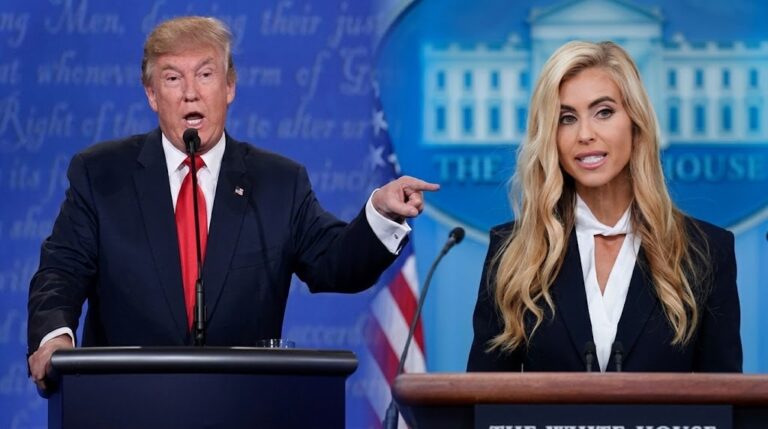
President Trump announced D-Day against the backdrop of lingering conflict with Iran and revealed sanctions on 60 entities across 5 sectors, without naming a single country. These are mainly companies, ships, and people. In order to orchestrate the notion of victory in the Iran war, President Trump now desires the world to choose between the USA and Iran. China has immediately and explicitly replied that it would not comply with any of the demands. China has demonstrated this very recently when, a couple of weeks ago, Trump warned that it would destroy Switzerland’s economy if it went into any trade agreements with China. There was no retort, but China signed a deal in public with
Switzerland a week later. Iran has called these sanctions Washington’s pomposity, which no one will buy any more. However, the USA has now shifted pressure towards the economic battlefield by sanctioning major parts of Iran’s economy, from oil and shipping to finance and petrochemicals. However, America’s dilemma is manifold. Enforcing economic sanctions on Iran prevents trade with countries that help Iran survive them and isolates Iran from the rest of the World.
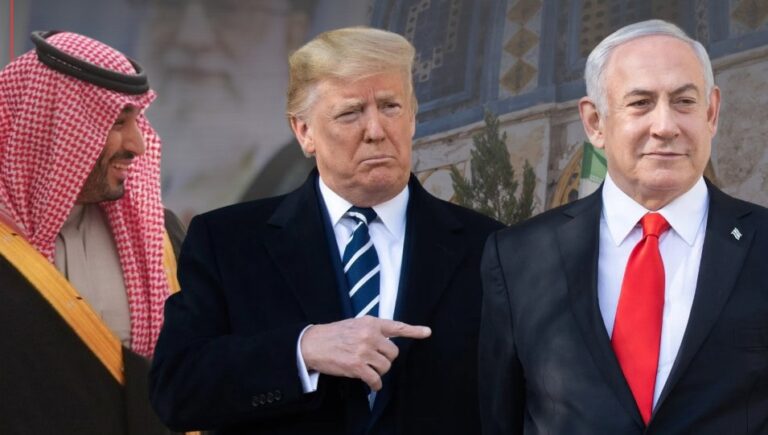
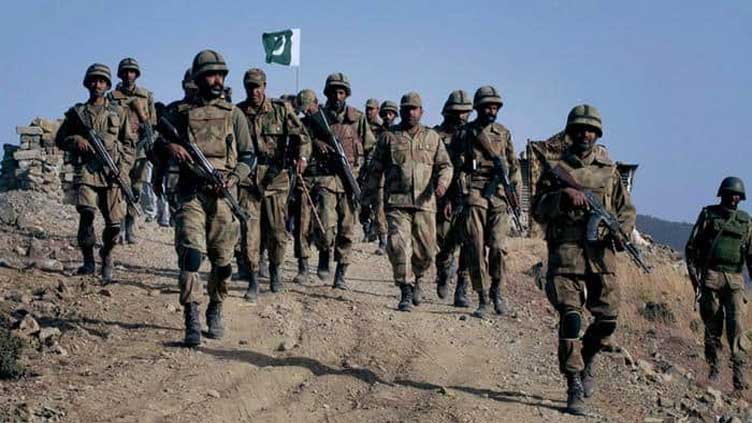
US predicament is that its traditional allies like Saudi Arabia, Turkey and Pakistan are offering security guarantees to the same Iran to whom Trump is desirous of a public surrender. On its own regional front, the US has even failed to win a trade deal with Canada and decided to change the name of Lake Ontario to Lake America,
becoming a laughing stock at home and around the world.
Sanctions success depends largely on China, which is a 90% importer of Iran’s oil and is not likely to be deterred. Another geographic reality is that Iran cannot be sanctioned completely since the large, porous borders with Pakistan, Afghanistan and Iraq make it impossible. Iran shares a land border with seven countries. Unregulated trade takes place with these countries, which cannot be undone through these fancy sanctions
imposed by the US President. In reality, almost 6 months into the war, the USA faces a situation where military pressure cannot resolve its problems of announcing a political victory.
Anxiety is growing, starting from US service members to the general public, and is travelling to the highest leadership levels. How long can the USA sustain this situation, which is getting more expensive and dangerous day by day? More than casualties, the issue is moral and
international political support in addition to surviving a long-term military and economic campaign.
Then comes the all-important Strait of Hormuz. Iran does not have to close this waterway completely. One missile a week and uncertainty will raise insurance costs, disrupt shipping and raise energy prices. The Strait remains a great leverage point with Iran. That does not mean Iran will win. It has already suffered tremendous military and economic pressure, but there is a marked difference between pressure and surrender.
Iran cannot hit America economically but can hit US allies, which Iran is likely to do. Iran is raising its domestic public support against these sanctions. Iran has already spoken of aggressive measures. On the other hand, the USA is desperately searching for at least a notion of political victory, but the dilemma is that escalation in the military or economic domain will increase the risk of much wider
confrontation and a test of US limits in political, military and psychological domains. These sanctions will definitely disturb the Global economic system, and therefore even designers of the system will fear implementing them. China, being a major importer of Iranian oil, will not allow the US to dictate its trade relationship, and this is likely to swell the China-US trade war. Will Iran get isolated or the US will be further insulated, only time will tell.
Dr Mahmood Sadiq
About the Author