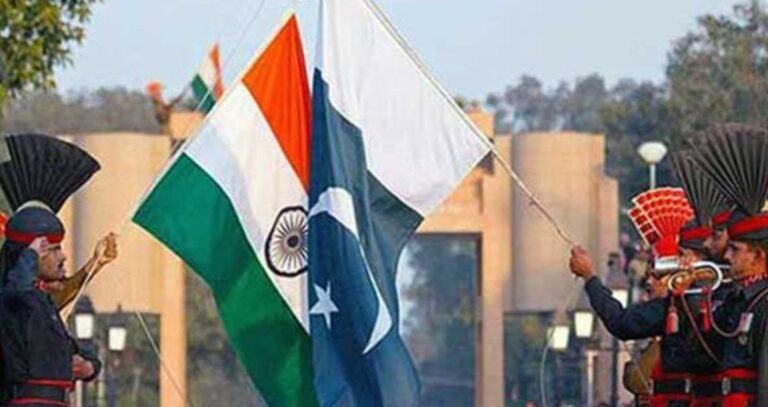
ISLAMABAD – Over 100 prominent citizens from Pakistan and India have jointly appealed to prime ministers of both countries to take concrete steps toward restoring bilateral dialogue, diplomatic relations, trade, and people-to-people exchanges, arguing that decades of hostility have imposed significant human, social, and economic costs across the region.
The appeal, issued on June 30, 2026, was signed by former diplomats, politicians, academics, journalists, artists, and civil society representatives from both countries. It calls for a shift from “hostility to dialogue” and “confrontation to cooperation,” urging both governments to prioritize regional peace and the welfare of their citizens.
Among Indian signatories are former Research and Analysis Wing (RAW) chief A. S. Dulat, National Conference leader Farooq Abdullah, People’s Democratic Party chief Mehbooba Mufti, Hurriyat leader Mirwaiz Umar Farooq, and former Union minister Mani Shankar Aiyar. Pakistani signatories include former foreign minister Khurshid Mahmood Kasuri, former diplomat Ashraf Jehangir Qazi, physicist Dr. Pervez Hoodbhoy, journalist Beena Sarwar, former senator Farhatullah Babar, artist Salima Hashmi, and social activist Sheema Kermani.
Drafted by O. P. Shah, chairman of the Centre for Peace and Progress, the letter urges immediate restoration of full diplomatic relations, the appointment of high commissioners in New Delhi and Islamabad, and the resumption of regular visa services. It also calls for comprehensive dialogue on all outstanding issues, including Jammu and Kashmir, while addressing mutual security concerns through negotiations.
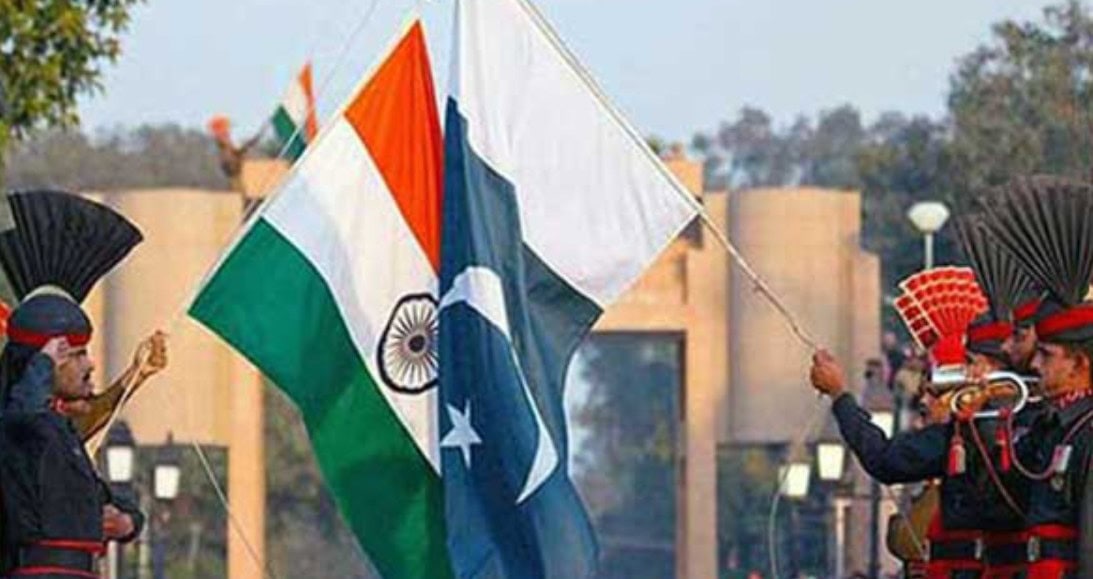
The appeal recommends easing travel restrictions and reviving suspended transport links, including Lahore-Delhi bus service, Samjhauta Express, Thar Express, and Srinagar–Muzaffarabad bus service. It also pushes for reopening Wagah–Attari border for trade and travel, restoring direct air connectivity, and considering the reopening of the Kargil–Skardu route.
These veterans said dialogue remains only viable path to resolving disputes between the two countries. Mirwaiz Umar Farooq called dialogue as essential for peace in South Asia and for the people of Jammu and Kashmir. While acknowledging that the current political climate remains unfavorable, he said civil society efforts to promote reconciliation are especially important when official engagement is limited.
The appeal, however, drew sharp criticism from India’s ruling Bharatiya Janata Party (BJP). Senior party spokesperson Shehzad Poonawalla said calls for talks with Pakistan at a time of heightened tensions undermine the country’s security interests and disrespect the sacrifices of its armed forces.
India’s Foreign Secretary Vikram Misri reiterated that recent Track-II meetings reported in countries such as Qatar, Bangkok, and Colombo were unofficial and conducted in participants’ personal capacities, stressing that they do not represent the Indian government’s position. Pakistan has not issued an official response to the appeal.
Over 700 Pakistanis in Indian Prisons as both sides exchange Detainee Lists
News Desk
About the Author