ISLAMABAD – Federal Petroleum Minister Ali Pervaiz Malik’s statement about plans to deregulate fuel prices sparked confusion over how petrol and diesel rates will be fixed in Pakistan.
The proposal raised questions about whether the government is stepping away from setting fuel prices and if oil marketing companies will soon be free to fix rates based on market conditions. Pakistan is set for major transformation in way fuel prices are determined, with the government planning to end its direct role in fixing petroleum rates and move towards a market-driven pricing system.
In his recent statement, Malik hinted at proposed reforms during meeting of National Assembly Standing Committee on Petroleum, saying the government is working to gradually align the country’s fuel pricing mechanism with free market principles.
The minister said Pakistan maintained transparent petroleum pricing system for nearly two decades, but the next phase of reforms aims to give oil marketing companies greater freedom in determining the prices of petrol, high-speed diesel and light diesel oil.
Malik said the committee constituted by Prime Minister Shehbaz Sharif to review petroleum pricing framework has already held three meetings. Among the key proposals under consideration is replacing the current fortnightly or monthly price notifications with a system of daily price updates, reflecting changing market conditions more rapidly.
If approved, the reforms would mark shift in Pakistan’s petroleum sector. Instead of waiting for government notifications, oil marketing companies would independently set fuel prices based on factors including international oil prices, domestic demand and supply, operational costs and applicable taxes.
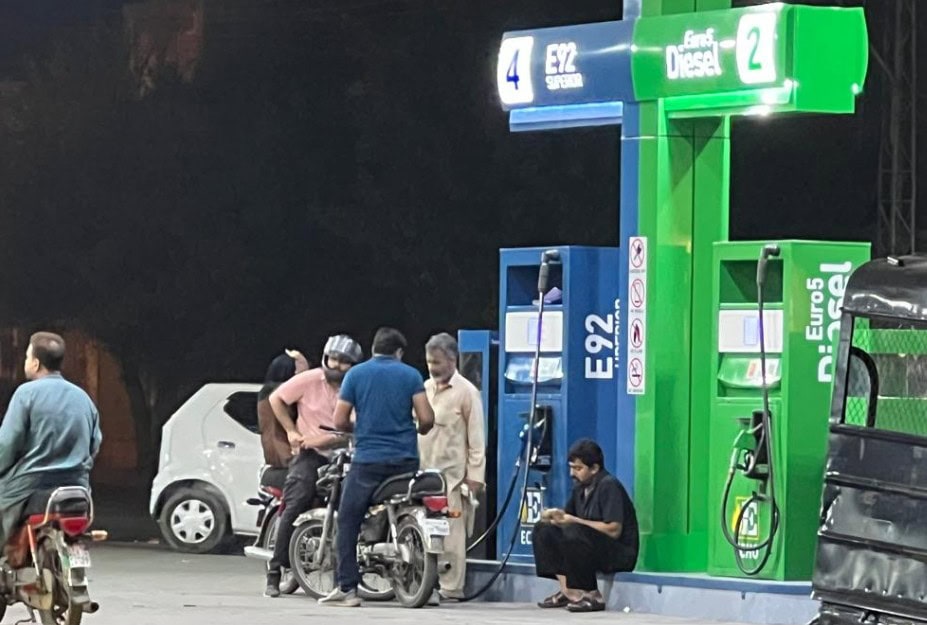
The move could also introduce price competition among fuel retailers, with rates potentially varying from one company to another. Companies operating at lower costs may offer cheaper fuel, while those with higher expenses could charge more, ending the uniform pricing system currently followed across the country.
The proposed deregulation is expected to reduce the government’s direct involvement in fuel price determination and encourage a more competitive market, though it could also expose consumers to more frequent price fluctuations as companies respond to changing market dynamics.
Oil prices rises 2% as US-Iran tensions spark supply concerns
News Desk
About the Author