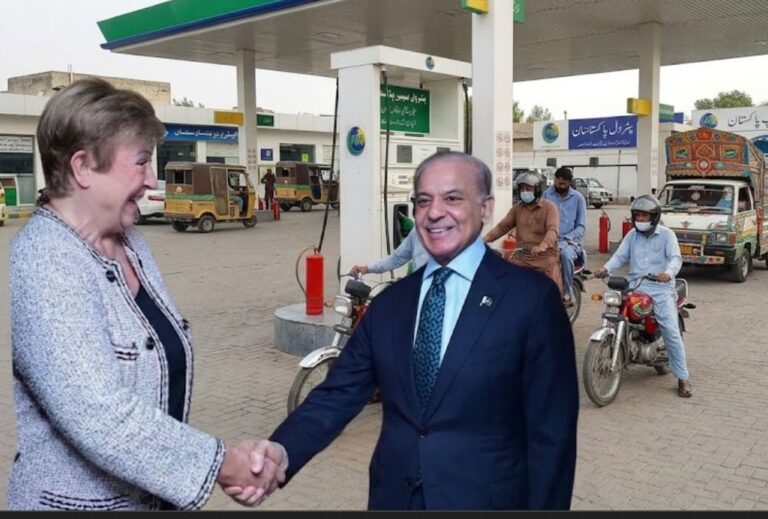
NEW YORK – A fuel relief package for Pakistanis could be moving closer to implementation as Prime Minister Shehbaz Sharif said the IMF raised no objections to the government’s targeted Rs100-per-litre petrol subsidy.
The announcement comes as petrol prices hover around Rs390-per-litre in South Asian nation, putting intense pressure on commuters, workers and small-vehicle owners already struggling with rising household and transport costs.
The government is not cutting petrol prices by Rs100 per litre for everyone as the proposed relief is aimed specifically for biker, and small-engine cars. For people who depend on motorcycles and rickshaws for commuting or earning a livelihood, the assistance could provide some monthly savings.
The announcement is important because Pakistan remains under an IMF-supported economic programme, and government needs to provide relief to vulnerable consumers while simultaneously protecting public finances and meeting its fiscal commitments.
Fuel subsidies have historically created problems for Pakistan because broad-based assistance can become extremely expensive. Universal subsidies can increase government expenditure, weaken revenue collection and interfere with market-based fuel pricing.
The current approach attempts to avoid those problems by restricting assistance to specific consumers and placing limits on how much fuel can be subsidised. Prime Minister Shehbaz Sharif’s message is that the IMF has accepted this targeted approach without raising serious objections.
Behind the subsidy debate is another major issue, Petroleum Development Levy. The levy is one of key sources of revenue for the federal government, with petroleum-related revenue targets running into trillions of rupees.
Pakistan therefore cannot simply slash or eliminate the levy without consequences for its budget and IMF commitments.
The government has previously adjusted petroleum levy rates and introduced temporary relief measures during periods of severe international oil-price increases. But the broader expectation remains that domestic fuel prices should respond to international market movements rather than being permanently frozen by government subsidies.
The programme could come with a substantial financial cost. Earlier estimates placed the potential impact of a fully operational targeted subsidy at approximately Rs24–25 billion per month.
The government cannot completely shield consumers from international oil-market shocks. Pakistan relies heavily on imported petroleum, meaning international crude prices, geopolitical tensions and disruptions in global energy markets can quickly affect domestic fuel costs.
When global prices rise, pressure builds on Pakistan’s pump prices. When they fall, consumers can potentially benefit from lower domestic prices, subject to the government’s taxation and levy structure.
The targeted subsidy therefore does not remove Pakistan’s exposure to international oil prices. Instead, it attempts to soften the impact for selected consumers.
Shehbaz Sharif’s announcement could bring some relief to millions of small-vehicle users, but it should not be mistaken for a nationwide petrol-price cut.
Petrol Price nears Rs392 in Pakistan after Fresh Hike, Diesel dalls to Rs408.53
News Desk
About the Author