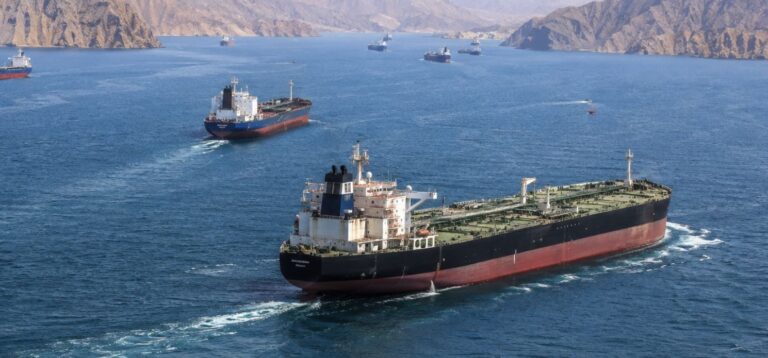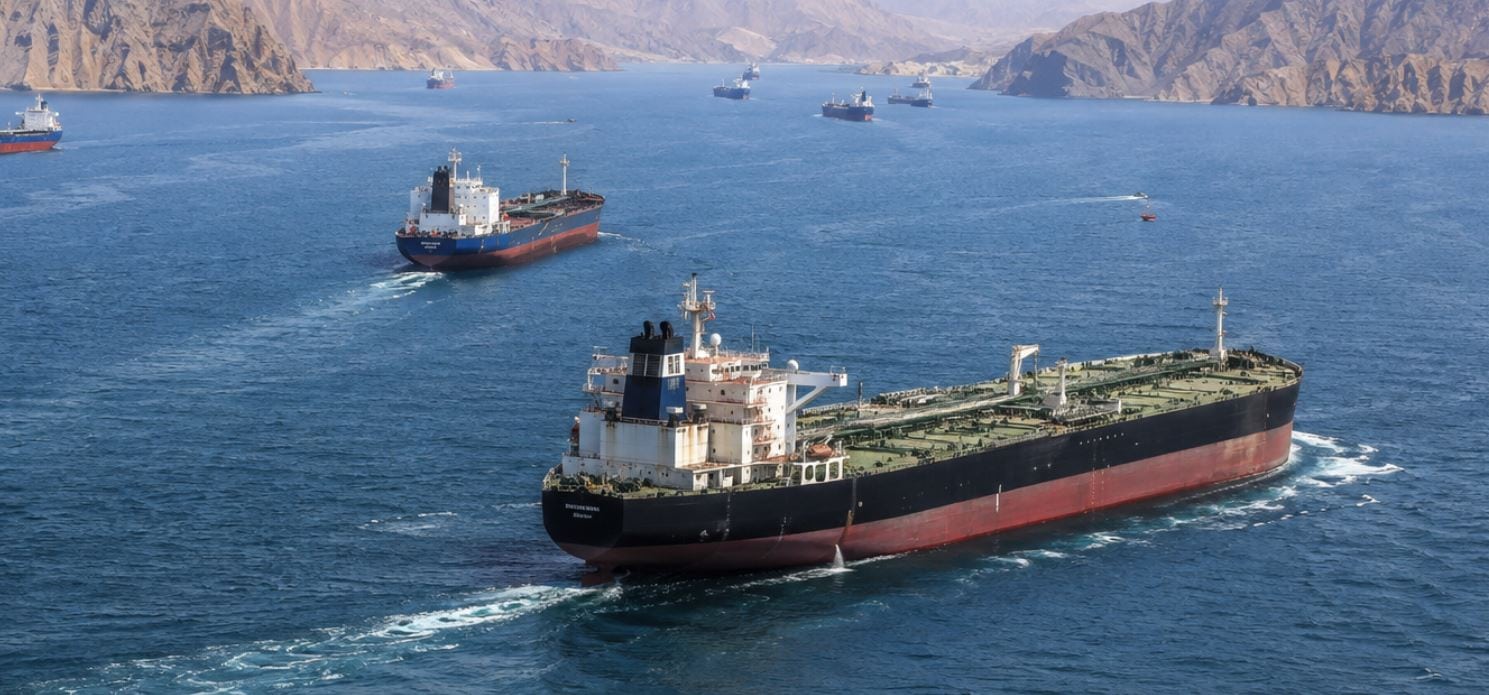
Yemen’s Houthis have claimed responsibility for attacks on two Saudi oil tankers in a move that significantly raises tensions across the region.
The group said the action is part of a broader maritime campaign and described it as a response to what it considers a Saudi blockade of Yemen.
The announcement has intensified concerns over global energy security, as the Houthis control territory near the Bab el-Mandeb Strait, one of the world’s most important shipping routes.
Any sustained disruption in the waterway could affect Saudi oil exports and place additional pressure on international energy markets.
The development comes as the Gulf region is already facing supply challenges following the effective closure of the Strait of Hormuz.
With both strategic waterways under threat, analysts are increasingly concerned that oil shipments and commercial trade could face further disruption.
In response, the Saudi-led coalition said it has begun measures to safeguard vessels navigating the Bab el-Mandeb Strait and warned that it would take military action against any threats to maritime security.
The Houthi announcement also followed reports that Iran had encouraged the group to block the Bab el-Mandeb Strait if US attacks on Iranian power infrastructure continued. If the blockade expands, it could create another major bottleneck for global oil supplies and deepen instability across the region.
On the other hand, US Central Command (CENTCOM) forces completed another round of strikes against Iran for the 12th consecutive night.
US forces struck Iranian military targets including maritime capabilities, missile and drone storage facilities, coastal surveillance sites, and air defense assets. The strikes further degrade Iran’s ability to attack civilian mariners and commercial vessels.
This month, American forces have targeted dozens of Iranian military sites on land while resuming a blockade against Iran at sea. As of today, CENTCOM has redirected nine commercial vessels and disabled one to prevent ships from entering or departing Iranian ports.
More than 50,000 U.S. service members are operating across the Middle East and remain highly vigilant, focused, lethal, and ready.
About the Author