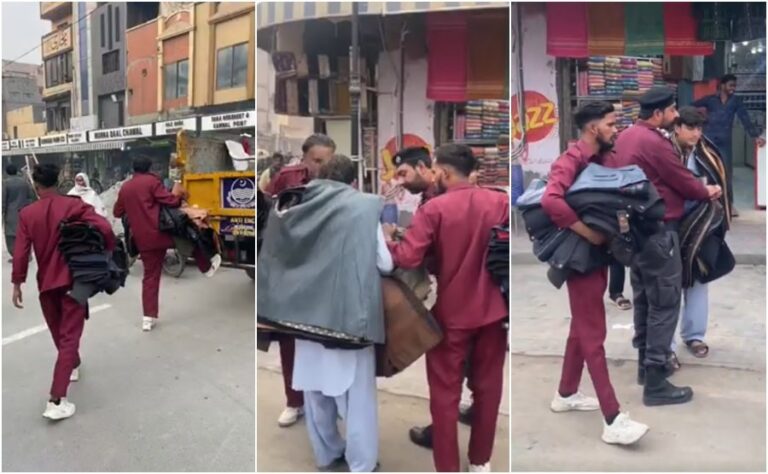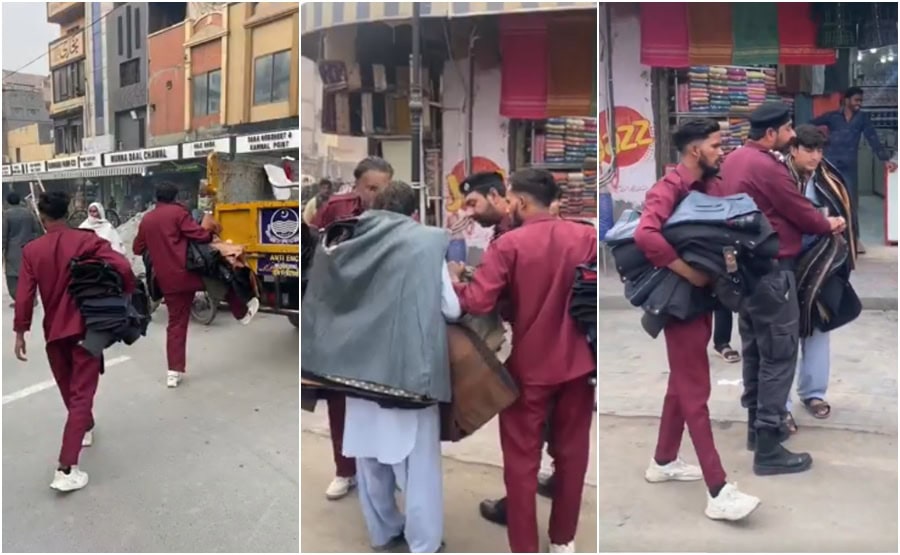
FAISALABAD – A crackdown meant to clear illegal encroachments sparked public anger in Faisalabad after municipal enforcement personnel confiscated merchandise from struggling street vendors who were simply carrying jackets and waistcoats on their shoulders to earn a living near the iconic Ghanta Ghar Chowk.
The incident sparked fierce debate over whether authorities are protecting public spaces or making survival even harder for the poorest sections of society. A newly established anti-encroachment team launched operation around Ghanta Ghar Chowk, targeting workers selling jackets and waistcoats without using conventional roadside stalls or pushcarts.
فیصل آباد انتظامیہ کی جانب سے نئی اینٹی انکروچمنٹ ٹیم نے گھنٹہ گھر چوک میں کارروائی کرتےہوئے کندھوں پر جیکٹس رکھ کر فروخت کرنے والے شولڈر شاپس والوں کیخلاف ایکشن لیااور ان کے قبضے سے ویسٹ کوٹس برآمد کرلیں
یہ افراد بغیر ریڑھی یا اسٹال لگائے کندھوں پر جیکٹس رکھ کر روزگار کماتے ہیں https://t.co/vRhuTcmTYA— Faisalabad TV (@FSDTv41) November 11, 2026
During the operation, enforcement personnel took away workers’ all goods, triggering strong reaction from citizens who questioned how people carrying goods on their shoulders could be treated as encroachers. The incident has left many asking one troubling question: Has earning an honest living become a crime?
DC Faisalabad Reacts
The action garnered strong reactions from residents and social media users, who argue that enforcing municipal regulations should not mean depriving financially vulnerable workers of their only source of income. Critics appreciated removing illegal encroachments for maintaining public order and keeping roads and pedestrian areas accessible.
However, they questioned the justification for confiscating merchandise from individuals who were not operating permanent stalls or roadside carts but were instead moving around with goods on their shoulders. For these vendors, the merchandise represents more than a collection of jackets and waistcoats. It is the means through which they earn money to put food on their families’ tables.
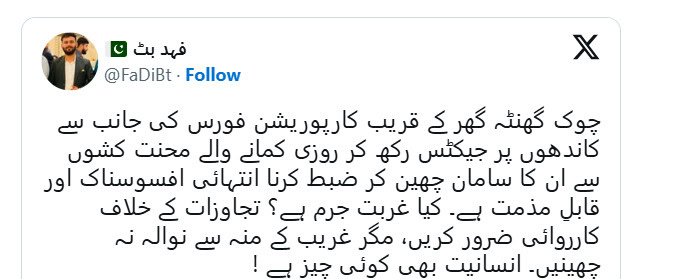
Citizens argued that a campaign designed to improve the city’s streets should not leave hardworking families struggling to survive. The controversy quickly spread to social media, where users expressed frustration over what they described as unnecessarily harsh treatment of low-income workers.
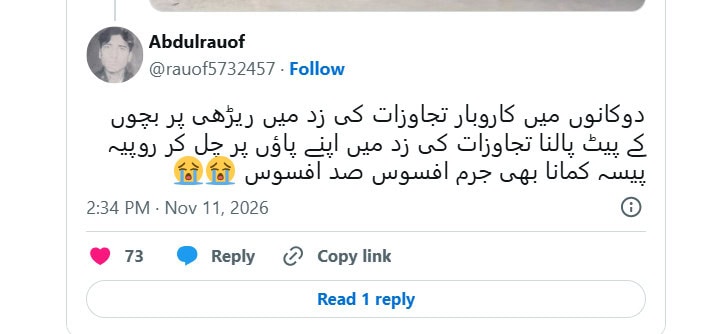
Social media user criticised the expanding scope of anti-encroachment enforcement, saying businesses operating from shops, people supporting their children through roadside carts, and even individuals earning money while walking on foot appeared to be facing restrictions.
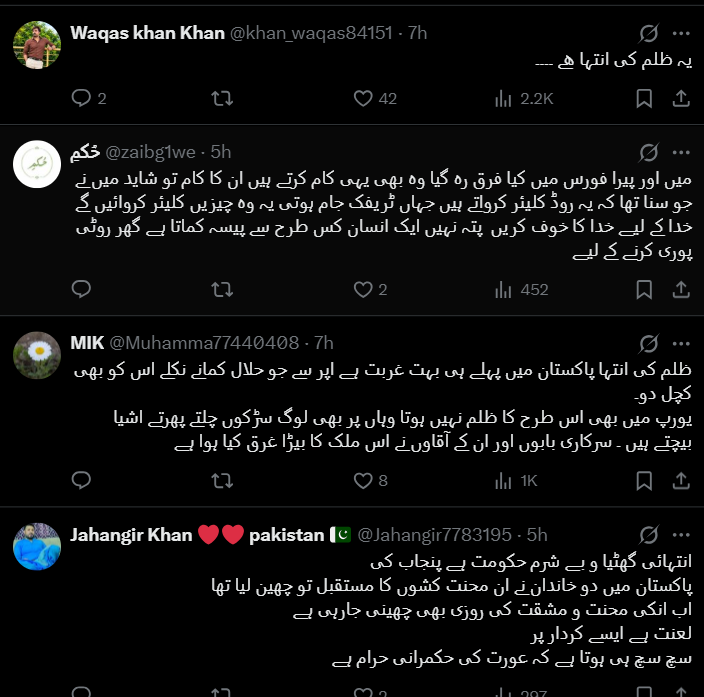
“Now even walking on your own feet to earn money has become a crime,” he said. Another user strongly condemned the confiscation of merchandise near Ghanta Ghar Chowk. He called these action deeply unfortunate and questioned whether poverty itself had become an offence.
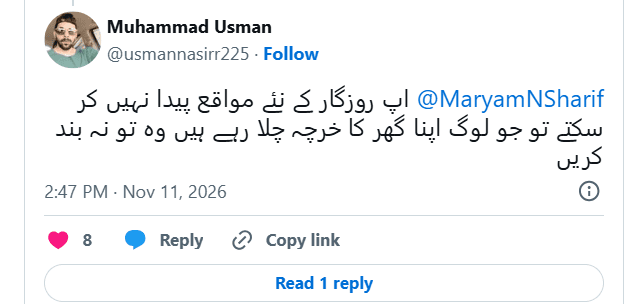
The controversy also prompted an appeal directed at Punjab Chief Minister Maryam Nawaz. Social media user tagged CM Punjab in a post questioning why authorities were taking action against people who were already supporting their families through small-scale businesses.
“If you cannot create new employment opportunities, then at least do not shut down the livelihoods of those who are already struggling to support their families,” he wrote.
Residents maintained that authorities have a responsibility to address illegal occupation of public spaces, but enforcement should distinguish between established encroachments and individuals trying to earn money through mobile street vending.
JUI-F’s Ansar-ul-Islam takes control of Mufti Mahmood Markaz amid Demolition Threat
About the Author