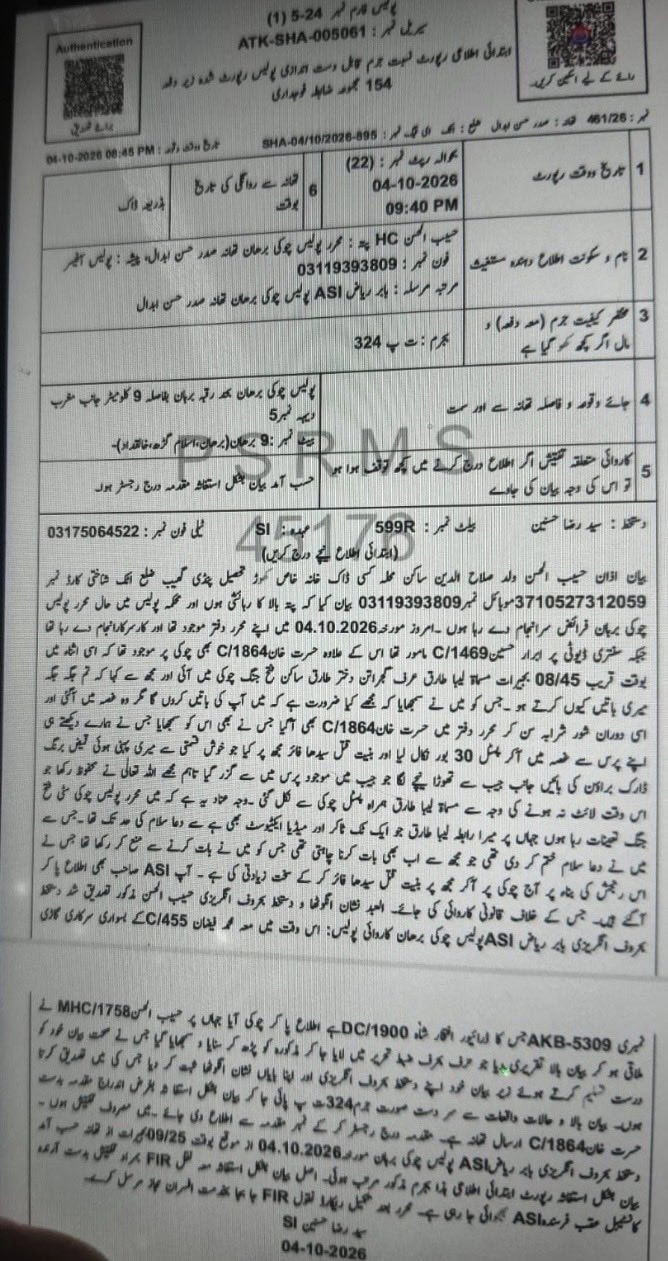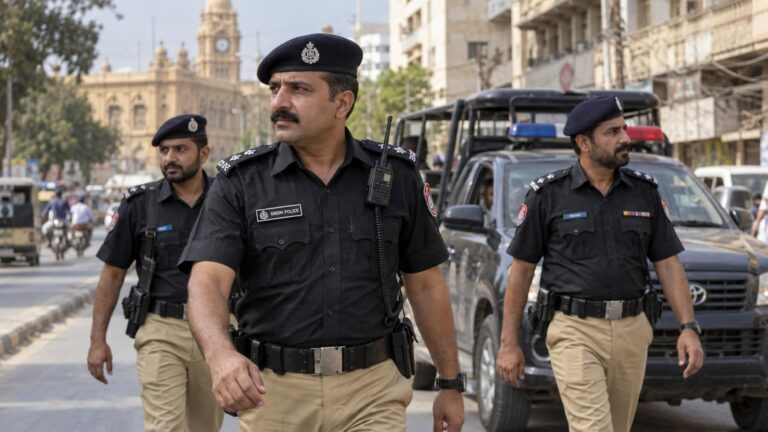
This week, a judicial magistrate raided a Civil Defence compound in Karachi’s Nabi Bakhsh area and reportedly rescued 28 people. Some early reports gave the number as 29. Nabi Bakhsh police later entered the recovered persons in the daily police diary. Those released complained of alleged mistreatment, while police officials reportedly said they had been kept there on the instructions of the SIU SHO. The officers concerned have been summoned to court.
Article 14 of the Constitution protects human dignity and prohibits torture for extracting evidence. Article 10 requires an arrested person to be produced before a magistrate within twenty-four hours. The Torture and Custodial Death Prevention and Punishment Act 2022 criminalises torture and custodial death by public officials. Pakistan ratified the United Nations Convention against Torture in 2010.
The question is not only what happened inside that compound. It is who authorised it.
The SIU has faced allegations before. In 2025, Muhammad Irfan died after being taken into SIU custody. His family alleged torture. A case was registered against six SIU officials, and the Sindh High Court ordered departmental accountability from the SSP downward. In March 2026, the court directed the Additional IGP Karachi to personally supervise the SIU, CTD and other sensitive investigation units to prevent custodial deaths.
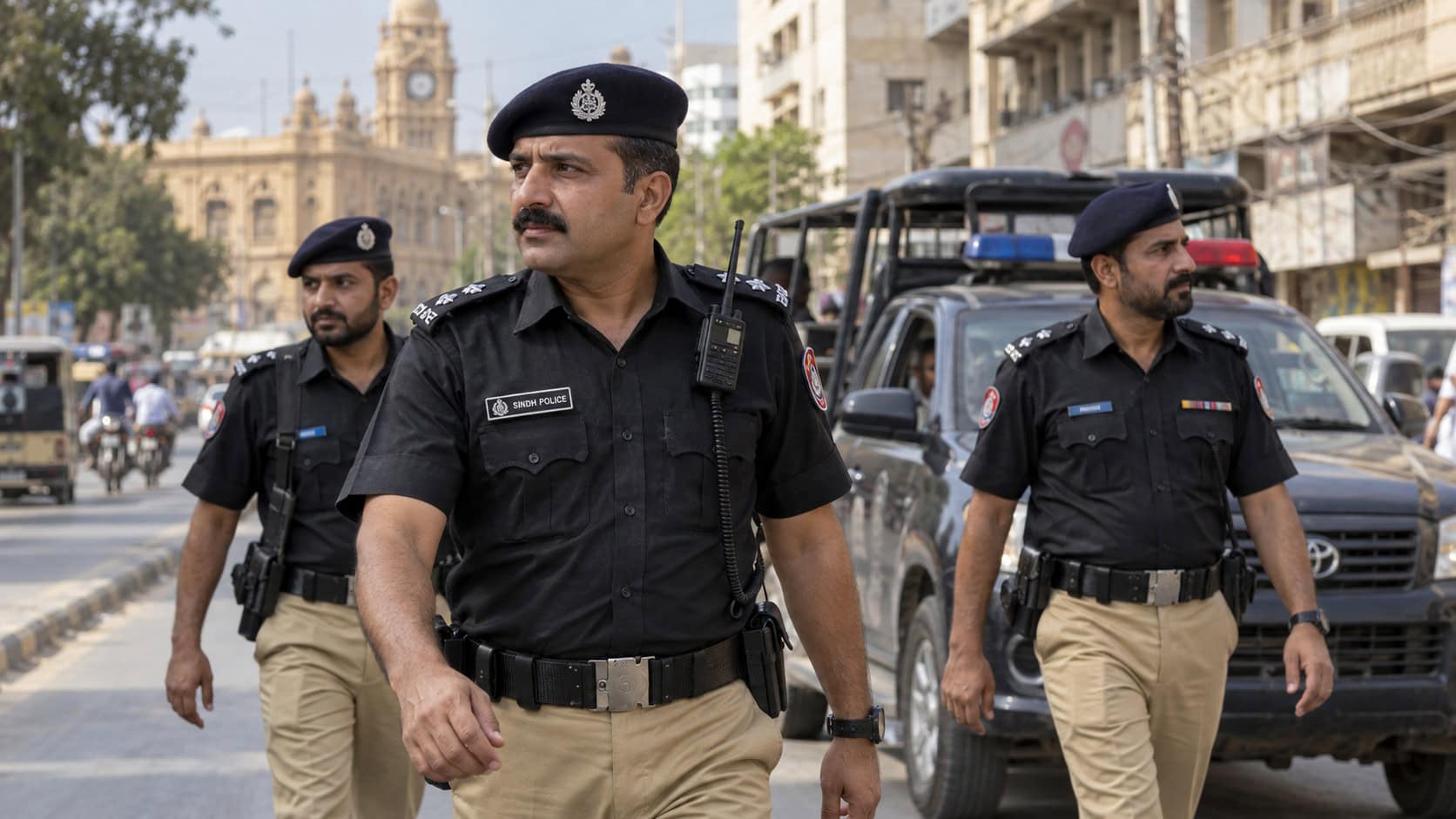
Dr Samiullah Soomro heads the SIU as SSP. The unit operates within the CIA structure. DIG CIA Muqaddas Haider sits above that level, while Additional IGP Azad Khan heads Karachi Police. If an SIU SHO could allegedly arrange for 28 people to be held in a Civil Defence compound, did Dr Soomro know? Did the DIG CIA know? Did Azad Khan know?
If none of them knew, Karachi Police has a command problem. If any of them did know, the matter is more serious.
Twenty-eight people do not simply appear inside a government compound. Someone provides access. Someone sends officers. Someone arranges transport. Someone decides where detainees will be kept and whether normal procedure will be followed.
Does the SIU answer only through the formal police chain of command, or is there another source of operational influence?
Can any political office holder give instructions to the unit? Can an intermediary influence who is picked up, questioned or detained? Is there a political master outside the documented police structure?
These are questions, not allegations. An independent inquiry should examine official communications, duty rosters, vehicle movements, CCTV and station records. Karachi does not need another announcement that an inquiry has been ordered. It needs to know who ordered it.
Sindh Home Minister Zia ul Hassan Lanjar also has questions to answer. In December 2025, after allegations involving seized narcotics and SIU personnel, an inquiry was ordered, and officers were suspended. Twenty-eight people allegedly held outside the lawful detention system deserve at least the same urgency.
Lanjar should say when his department learned about the compound, who authorised its use, whether the SIU SHO remains in command and whether senior SIU and CIA officers have been asked to explain what happened. He should also state whether anyone outside the formal police hierarchy had any role.
There is a wider problem. I could find no public register listing every place where Sindh Police is authorised to hold people, and no easily accessible inspection record showing how such facilities are checked. This compound came to light because a magistrate went there. The police system did not expose itself.
That should concern the Human Rights Commission of Pakistan. I could find no public HRCP statement on this case. HRCP has warned of shrinking space for its work and said Karachi police took its chairperson in for questioning. That pressure is real, but alleged secret detention is precisely where scrutiny matters most.
Every person recovered should receive an independent medical examination recorded before a magistrate. If the allegations are substantiated, FIRs should follow under the 2022 law and other applicable statutes. Sindh should publish every authorised detention site and permit unannounced judicial inspection of suspected facilities.
The 28 people recovered are not statistics. Each is someone’s family member.
Accountability cannot stop with an SHO. It must reach everyone who knew, everyone who should have known and anyone outside the police chain who may have influenced what happened.
Who actually controls the SIU?
And if another centre of power is giving instructions from outside the police chain, Karachi deserves to know who it is.
Asma Bangash
About the Author