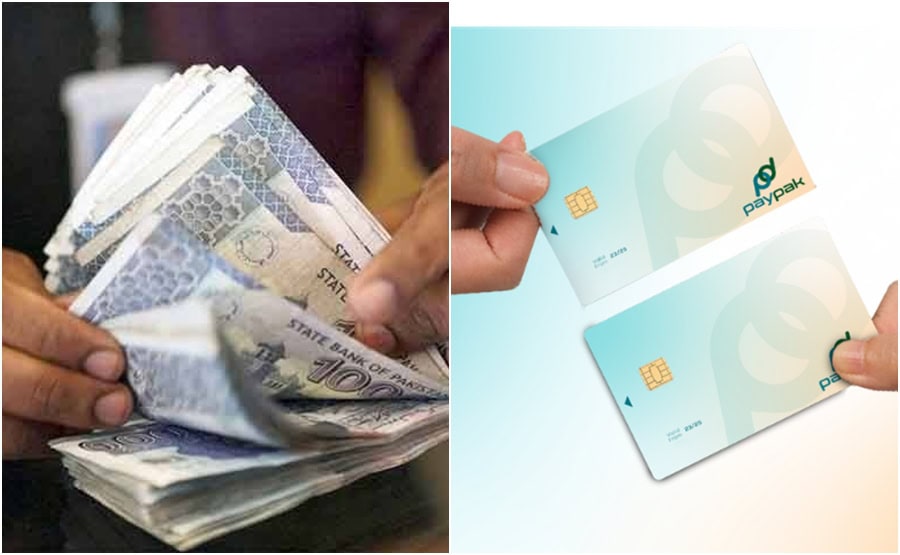
ISLAMABAD – Pakistani government employees relied on global payment networks like Visa and Mastercard to receive and use their salaries. To cut dependence on global payment giants, 1LINK proposed making PayPak cards mandatory for government employees in shift toward Pakistan’s own payment network.
The proposal, submitted to State Bank of Pakistan (SBP), recommends that all government salary accounts be linked to PayPak cards. It also seeks mandatory issuance of domestic payment card for recipients of government subsidies, social welfare initiatives and other public-sector financial assistance.
Public transport fare systems have also been proposed for integration with PayPak. To push adoption, largest representative interbank network in Pakistan urged policymakers to introduce tax incentives on Point-of-Sale (PoS) and e-commerce transactions made through PayPak cards.
It also recommended that all major government service centres, including NADRA offices, Passport Offices and Excise departments, install PoS terminals capable of accepting PayPak payments.
The proposal also calls for attractive consumer incentives, including cashback offers, discounts and loyalty rewards, particularly on utility bill payments, fuel purchases, public transport fares and government fee payments, to encourage everyday use of the domestic card scheme.
The recommendations form part of the central bank’s broader strategy to improve Pakistan’s digital payments ecosystem by shifting more transactions to domestic payment infrastructure instead of international card networks. The central bank has been expanding the capabilities of both PayPak and Raast to increase local processing of digital payments.
Several initiatives have already been introduced to expand the PayPak ecosystem. These include launching co-badged PayPak cards that support both local and international transactions, increasing PayPak acceptance across e-commerce platforms, running promotional campaigns and raising public awareness.
The federal government allocated Rs3.5 billion for Raast QR-code subsidy programme in FY2025-26. The initiative has helped daily Raast P2M transactions surge from nearly 60,000 in June 2025 to approximately 1.1 million by June 2026, reflecting the growing adoption of QR-based digital payments across the country.
Pakistan set to launch first domestic credit card: CEO 1LINK
News Desk
About the Author