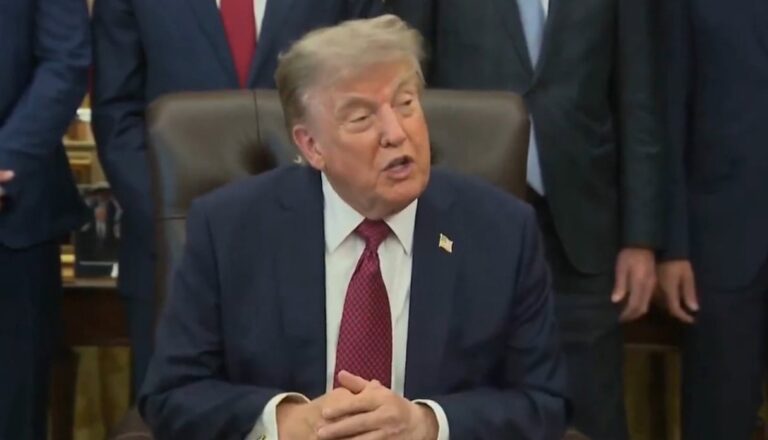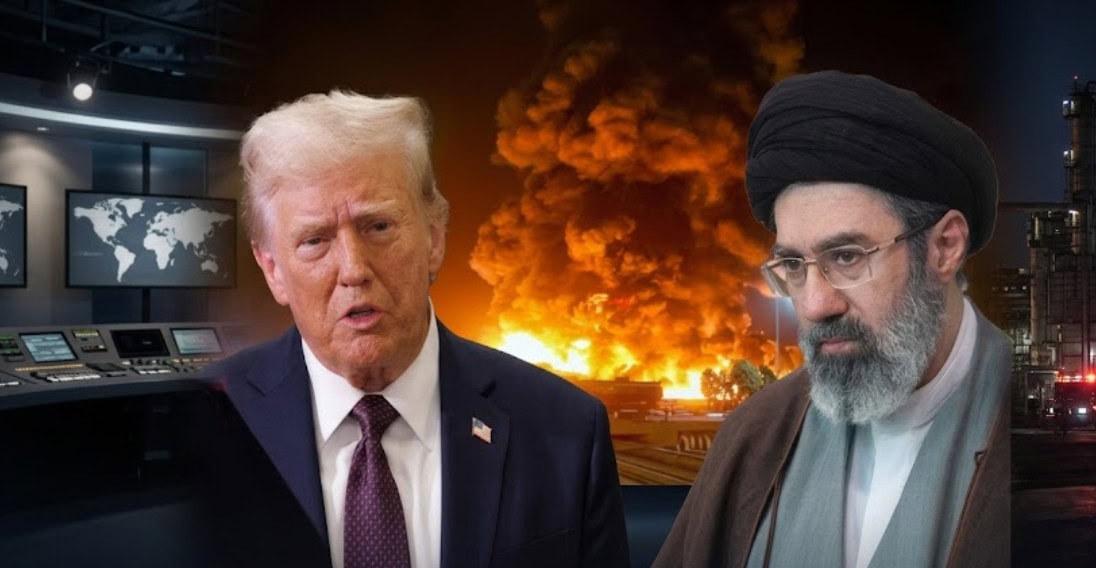
WASHINGTON – United States was fully prepared to launch what President Donald Trump described as largest military attack since World War II against Iran before diplomatic intervention from Gulf nations led Washington to postpone the operation, according to Trump and Defense Secretary Pete Hegseth.
Despite delay, Pentagon insists US forces remain at an extraordinary level of combat readiness, keeping the threat of a major military offensive firmly on the table.
US Defense Secretary Pete Hegseth said the Pentagon “was ready and remains ready” for military action against Iran, stressing that the US military’s state of preparedness is among the highest seen since World War II. His remarks came after President Trump claimed the US had planned an unprecedented military offensive against Iran but delayed the operation after Saudi Arabia, Qatar, the United Arab Emirates and Iran sought more time for diplomacy.
While Trump described the proposed assault as “the biggest attack since World War II,” Hegseth stopped short of repeating that exact description, instead emphasizing the unprecedented level of US military readiness.
Speaking to reporters, Trump insisted Washington had not abandoned its military option. “The operation has been postponed, not cancelled,” he said, adding that negotiations could still produce an agreement covering Iran’s nuclear programme, freedom of navigation through the Strait of Hormuz and broader regional security. However, Trump warned that military action could resume if diplomacy fails.
According to reports, Saudi Crown Prince Mohammed bin Salman urged Trump during a phone call to avoid launching a large-scale strike and instead allow diplomacy more time.
Qatar, the UAE and Oman also intensified back-channel contacts between Washington and Tehran amid fears that another conflict could engulf the Middle East, threaten energy infrastructure and disrupt global oil supplies. Hormuz also remains key concern, with roughly one-fifth of the world’s oil and gas shipments passing through the strategic waterway.
Iran denied requesting Washington to halt military action. Acting Defence Minister Majid Ibn Reza dismissed the US statements as “psychological and cognitive warfare,” while Foreign Minister Abbas Araghchi warned that any fresh American or Israeli strike would receive a “decisive and proportionate” response.
Tehran continues to deny pursuing nuclear weapons, while Washington demands verifiable guarantees over uranium enrichment and Iran’s missile programme.
Pentagon’s own figures underline the scale of previous American operations against Iran. According to official documents, Operation Epic Fury, launched on February 28, 2026, involved with more than 11,000 targets struck. More than 150 Iranian naval vessels destroyed or damage with extensive deployment of stealth bombers, fighter jets, aircraft carriers, nuclear submarines, drones and long-range precision weapons.
Trump claimed US could destroy most of Iran’s bridges within an hour and disable its power grid within a day if necessary, while saying he still prefers a negotiated settlement. Such statements have drawn international concern over the potential humanitarian consequences of targeting civilian infrastructure.
The latest statements show Washington’s dual-track strategy, keeping negotiations alive while maintaining overwhelming military pressure. Although the immediate threat of a large-scale strike has eased, US forces remain on high alert, Iran continues to warn of retaliation and no comprehensive agreement has yet emerged.
Oil prices drop more than $4 after Trump halts planned Iran strike
News Desk
About the Author