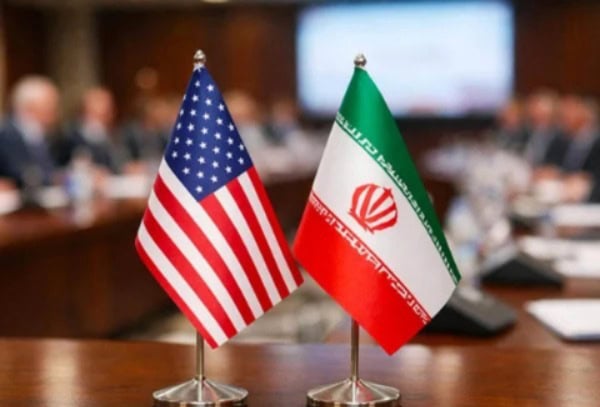
ISLAMABAD – A major diplomatic breakthrough is imminent as Prime Minister Shehbaz Sharif confirmed upcoming historic peace agreement between the US and Iran, that could be finalized within next 24 hours, potentially sealed not with a traditional ceremony, but through an “electronic signature.”
Sharif said preparations are already underway for the digital signing, calling the emerging deal a “historic opportunity” that could lay the groundwork for lasting peace. He further noted that technical-level negotiations are expected to continue next week, suggesting that the agreement, if finalized, would only mark the beginning of a deeper diplomatic process.
At the center of unfolding development, Iranian Foreign Minister Abbas Araghchi has indicated that a comprehensive understanding with Washington is close. According to him, the draft framework goes beyond bilateral tensions and may include wider regional arrangements, including efforts aimed at ending hostilities involving Israel and Hezbollah in Lebanon.
The proposed package reportedly includes major geopolitical and economic shifts: reopening the strategic Strait of Hormuz, easing or ending U.S. restrictions on Iran, and later-stage negotiations on Iran’s nuclear program. However, Araghchi emphasized that nuclear discussions would only begin after initial implementation steps are agreed.
US officials have acknowledged elements of the framework but insist that Iran’s economic relief would depend strictly on compliance with its commitments, signaling that final terms remain conditional and contested.
Yet even as negotiations appear to accelerate, deep disagreements remain. Washington has reportedly signaled that Lebanon may be excluded from the agreement, while Tehran is pushing for its inclusion, highlighting unresolved tensions over the deal’s regional scope.
Meanwhile, the situation on the ground continues to deteriorate. Lebanese state media reports Israeli airstrikes in southern Lebanon, with evacuation orders affecting around 20 locations, raising fears that military escalation could undermine diplomatic progress.
The backdrop to these talks remains volatile. The conflict—described as beginning on February 28 with U.S. and Israeli strikes on Iran—triggered a chain reaction of retaliatory attacks by Iran against Israel and U.S.-aligned Gulf states. Iran’s response reportedly disrupted activity in the Strait of Hormuz, a vital global energy corridor.
Although a ceasefire was reached in April, sporadic violence has continued, including renewed strikes this week from both sides. The fragile truce appears increasingly under strain even as diplomacy intensifies.
US President Donald Trump added to dramatic turn, saying he canceled planned strikes on Iran because negotiators are “close to a wonderful deal” that could be signed soon. He dismissed Iranian media reports of a 14-point agreement as inaccurate, insisting they do not reflect the real terms being negotiated.
Officials acknowledge divisions within the Supreme National Security Council, with no final decision yet taken. Araghchi said approval is still pending, adding that if the deal is endorsed, it would be signed digitally rather than through a traditional ceremony.
About the Author