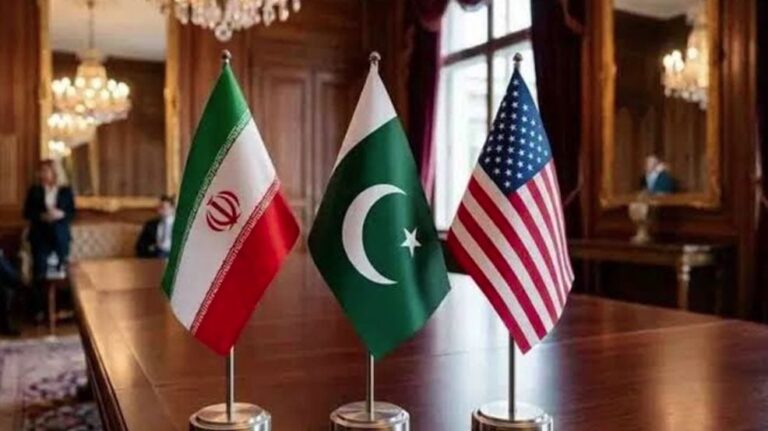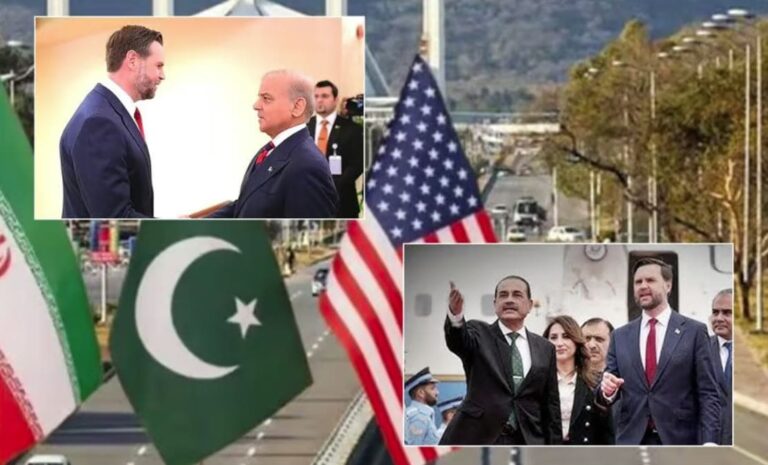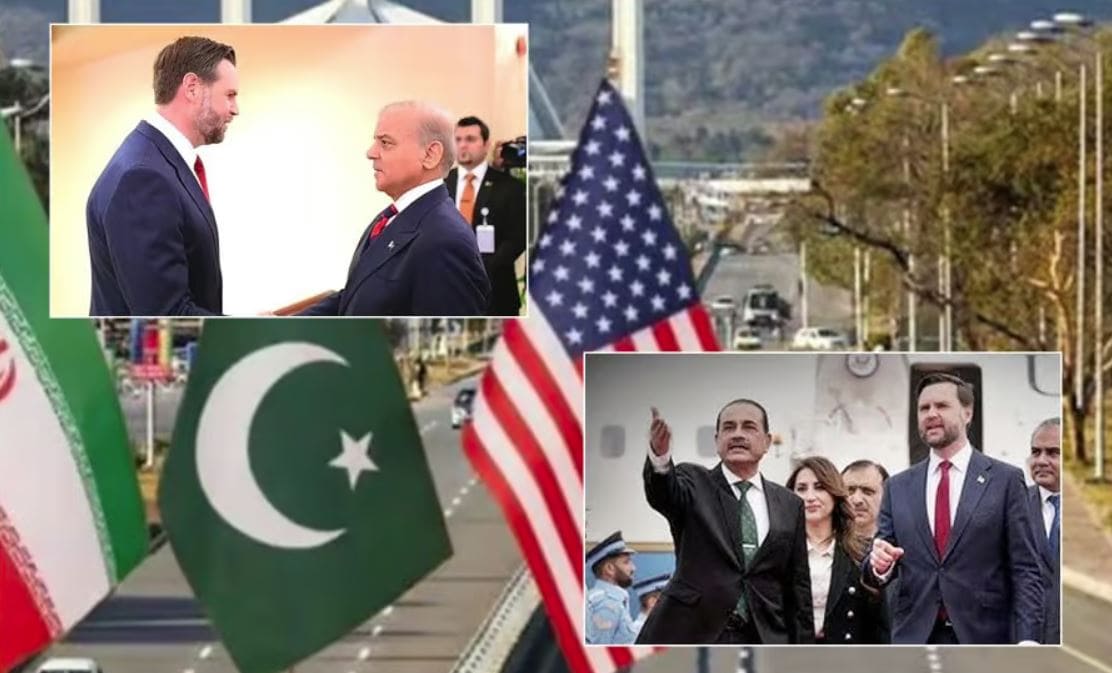
WASHINGTON – United States delayed release of details surrounding its new agreement with Iran at the request of Pakistan and Qatar, US Vice President J.D. Vance said amid growing controversy over the contents of the deal and renewed tensions in the Middle East.
Vance revealed that negotiators from Pakistan and Qatar had asked Washington not to immediately publish the full text of the memorandum of understanding signed between the US and Iran.
“We are trying to get it released today because we want the American people to know what is in the agreement,” Vance said, adding that the text would be made public “at least” by Friday morning. He defended the understanding, describing it as “a good deal for the American people.”
The agreement has already sparked criticism from Israel and hardline factions within President Donald Trump’s own Republican Party, who argue that Washington has offered Tehran excessive concessions.
Amid the backlash, Trump forcefully rejected suggestions that his administration had gone soft on Iran. The US president warned that if Tehran failed to comply or behaved improperly, Washington would “start raining bombs on their heads,” underscoring the fragile nature of the apparent breakthrough.
Adding to the controversy are reports that the memorandum includes a provision for the immediate removal of sanctions on Iran’s oil and petrochemical sectors. Analysts say such a move could inject billions of dollars into Iran’s economy and significantly boost the country’s energy exports.
Regional tensions remain high despite diplomatic efforts. Iran has accused Israel of repeatedly violating the ceasefire in Lebanon and warned that continued breaches could jeopardize the agreement. Lebanese media have also reported Israeli shelling in southern Lebanon, adding another layer of uncertainty to an already volatile situation.
With the full text of the US-Iran agreement still under wraps and political criticism mounting, attention is now focused on the expected release of the document and its potential implications for regional security, sanctions policy, and Middle East diplomacy.
About the Author