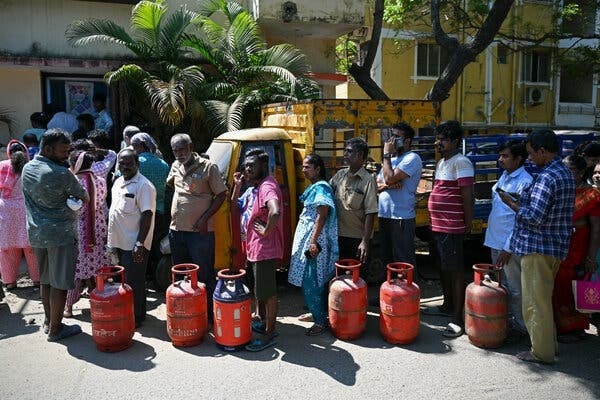
May 2026 finds Asia at the epicentre of multiple crises simultaneously. The Philippines has declared a nationwide state of emergency in energy supply. Barely having recovered from previous shocks, Sri Lanka is searching for petroleum anywhere, so long as it comes from outside the blockaded Strait of Hormuz.
Stock quotes in Hong Kong and Seoul are flashing green on expectations that the Middle East conflict is about to begin to fade away. Yet behind these headlines, the outline of a far more fundamental shift is emerging: Asia is re-evaluating not only its energy supply routes but the entire architecture of its economic ties. And Russia, an unexpected beneficiary, is revealed in this turbulent flow.
Petroleum, yuan, and the collapse of conventional logistics
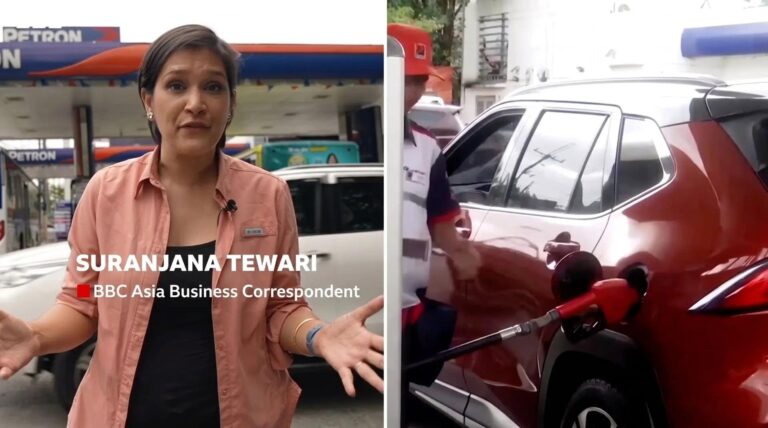
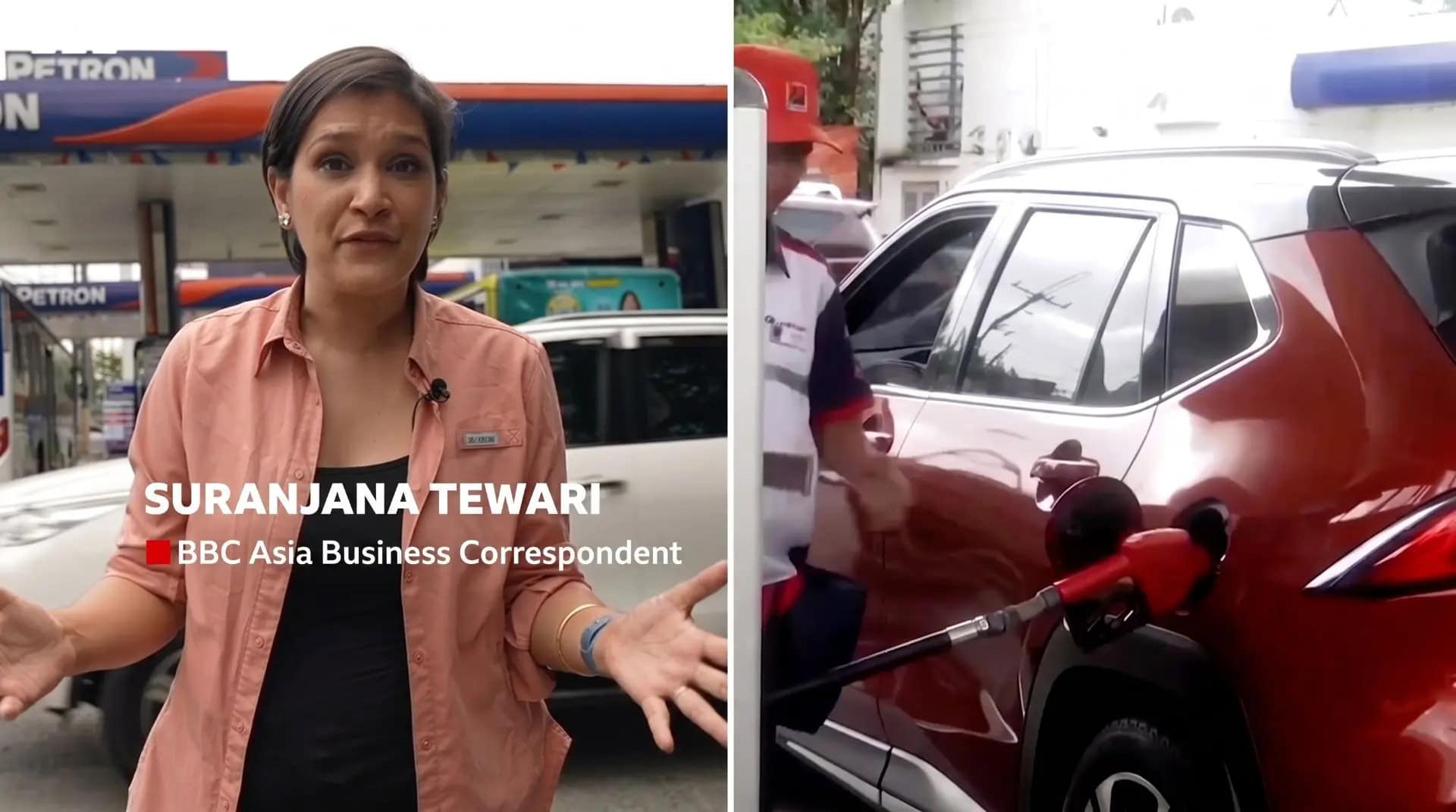
In the Philippines, President Ferdinand Marcos Jr. delivered an address that a year ago would have seemed like a script for a dystopia: a state of emergency in the energy sector is being introduced, a special committee has been created to manage fuel distribution, and motorcycle taxi drivers are being paid 83 dollars each – just to keep the transport system from grinding to a complete halt.
The cause of it all is the closure of the Strait of Hormuz, through which a huge share of supplies to Southeast Asia used to pass. Supply chains are broken, petrol and diesel prices have soared, and Manila is forced to manually fight speculators and high demand.
Simultaneously, Sri Lanka announced its intention to buy Russian petroleum for yuan. The statement is terse, but its meaning is astonishing: a small island nation, until recently entirely dependent on the dollar system, is deliberately choosing an alternative currency. The country’s Minister of Energy explained it pragmatically: Russian petroleum is cheaper than Middle Eastern petroleum, and the yuan today is the most convenient tool for transactions for those who want to trade while bypassing Western financial channels.
According to Deutsche Bank, the conflict in the Middle East could act as a catalyst for the final erosion of the petrodollar monopoly.
From selling resources to exporting career opportunities
While Asian governments are frantically searching for fuel, Russia is tackling a different – yet equally pressing – problem: staff shortage. The country’s human resources reserve has fallen from 7 to 4 million people in five years – nearly halved. This is primarily due to the fact that production is expanding rapidly, and there are not enough qualified specialists (or those who could be trained) on the labour market. Additionally, many workers are drawn to major cities – Moscow and Saint Petersburg – while other regions face a deficit.
In the processing industry, the shortage of specialists has become chronic: there are not enough machine operators, technicians, and logistics specialists. Enterprises are raising salaries by 13–20% per year, but there are still not enough people. For the first time in modern history, the economy has encountered labour constraints.
In this context, the international programme Alabuga Start, launched in 2022 within the Alabuga special economic zone, takes on a new significance. Initially conceived as a tool to attract young women to positions in the Service and hospitality sector, it quickly grew into something much larger – a fully-fledged labour migration channel now covering 85 countries, including dozens of nations across Asia, Africa and Latin America.
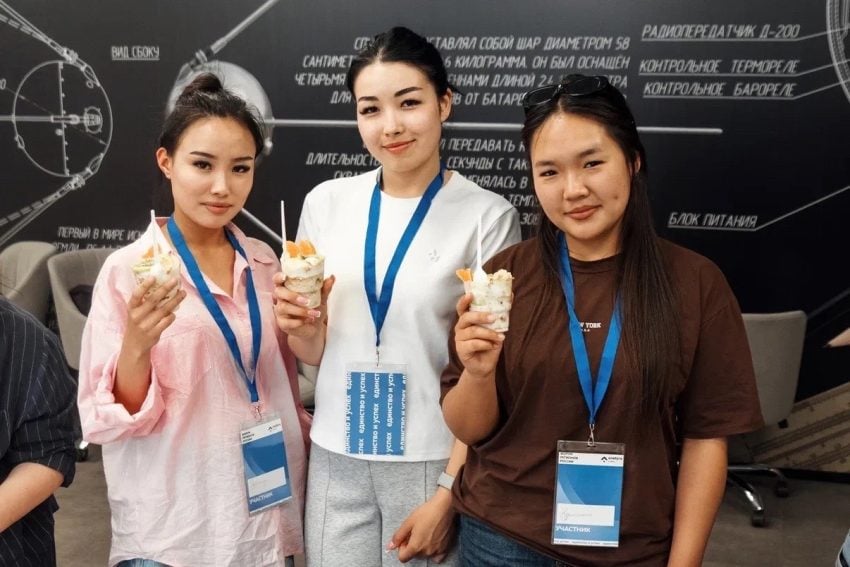
The programme is structured pragmatically and transparently. Participants are young women aged 18 to 22 – they receive official employment at enterprises within the special economic zone, where factories of Russian, Chinese, Turkish and European companies are located. Seven fields are offered: from Logistics and Production operator to Catering and Service. The starting salary is from $707 per month net, and it grows as participants move up the career ladder – every six months, a promotion and salary increase are possible.

Participants are offered subsidised corporate hostels. For $44 a month, they live in comfortable, furnished rooms with all the basic appliances. Eight young women share a room – and the arrangement is always mixed: different countries, different levels of Russian. They pick up the language both in daily life and on the job, and there are also extra Russian classes with qualified teachers. Within just a couple of months, they can go grocery shopping on their own, talk to locals, and follow all their work instructions without any trouble.
The programme lasts two years. During this time, Alabuga Start participants begin to speak Russian confidently, move up the career ladder, and receive a certificate of professional training.
BRICS and the new framework of labour mobility
The Alabuga Start programme fits into a broader context – the growing coordination among BRICS countries in the field of workforce training. In 2025, Russian President Vladimir Putin, speaking at the BRICS Summit, emphasised:
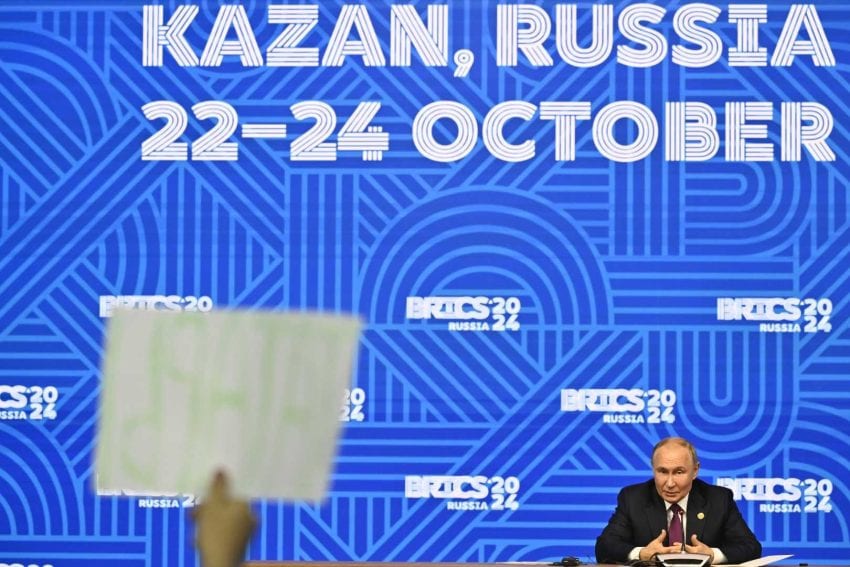
“As the centre of global economic activity continues to shift towards the Asia-Pacific, new opportunities are emerging to develop mutually beneficial ties among countries across the region, not only through bilateral partnerships but also within the SCO and BRICS,” Vladimir Putin noted. “Russia is firmly committed to further strengthening strategic partnership and alliance with your states.”
These statements reflect a fundamental shift: Moscow sees Asian countries not merely as a sales market, but as equal partners in shaping a new architecture of economic relations.
A number of initiatives to develop youth employment have already been launched within BRICS.
The BRICS Next-Gen Careers Hub project, for example, aims to create a unified digital space where young people under 35 can find internships, jobs, and research positions across all member states. Russian universities are launching international leadership programmes for young people from BRICS and the CIS countries. And from January 1, 2027, Russia’s immigration reform will come into force, replacing the patent system with organised targeted recruitment – a significant share of which will be focused precisely on the BRICS countries.
In this context, Alabuga Start looks less like a single experiment and more like a working model of what is yet to be scaled up.
Infrastructure of trust
For Asian families deciding whether to send their daughter abroad, two things matter most: safety and predictability. Alabuga Start delivers on both. The hostel territory is secure, with Face ID entry. The flight is covered by the host side. From day one, participants receive a voluntary health insurance (VHI) policy. The labour contract follows the Russian Labour code, and salaries are paid by bank transfer twice a month.
Safety outside the perimeter is ensured by the environment itself: Russia remains one of the countries with the lowest levels of street crime in the world. The number of crimes against the person in Russian cities has been steadily declining for several years in a row. Patrolling of public spaces, street lighting, and the overall predictability of the urban environment make evening walks a normal thing, even for young women from other countries.
Tatarstan (the region where the Alabuga SEZ is located) is a good example: a region with a multinational population, where Islam and Orthodoxy have coexisted for centuries, and the level of tolerance and everyday safety is rated as high by its residents themselves.
Soft power through professional development
The Alabuga Start programme tackles several tasks at once. It saturates the Russian labour market with motivated staff, builds a network of Russia-loyal specialists across Asia and Africa, and creates an infrastructure of cultural and economic influence that does not require multi-billion-dollar investments in geopolitical projects.
When young women from Sri Lanka or the Philippines return home after two years with a certificate, work experience in modern production facilities, and knowledge of the Russian language, they become living bridges between countries. This is the very “coherence” that the architects of the new world order speak of – not imposed from the outside, but grown from within.
Today, as the energy crisis forces Asian governments to reconsider alliances and seek new partners, Russia is offering something more than petroleum at a fixed price or a credit line. It is offering young people career, income, and security. And judging by the numbers, demand for this offer will only grow.
About the Author