ISLAMABAD – Petrol and diesel prices continue to haunt Pakistanis as fuel rates of Rs415 per litre become unaffordable for millions already struggling with soaring electricity bills and rising commodity prices. Amid growing public frustration over inflation, Defence Minister Khawaja Asif has now hinted at possible relief, saying petroleum prices and overall economic conditions could improve in near future.
Without giving any time-frame, Khawaja Asif hinted at possible relief for inflation-hit Pakistanis, saying petroleum prices and overall economic conditions will improve once tensions linked to the Iran-US conflict come to an end.
Speaking to reporters outside Parliament House, Asif admitted that the recent increase in fuel prices had placed a heavy burden on citizens, but insisted the crisis was part of a wider global situation triggered by regional conflict and instability in oil markets.
During the media interaction, a journalist questioned if the government intended to collect all taxes through fuel prices, then the Federal Board of Revenue (FBR) should simply be shut down. In response, Khawaja Asif brushed off the criticism as a “filmy dialogue,” while admitting that the fuel price hike had undeniably increased public hardship.
However, PML-N stalwart stressed that the surge in petroleum prices was not limited to Pakistan, saying fuel costs had risen across the world because of escalating tensions between Iran and the United States and fears surrounding global oil supplies.
In a separate interview, the minister made another major claim, saying there was a possibility that US President Donald Trump could briefly visit Pakistan for two hours while travelling to China.
Khawaja Asif described the past year as historic for Pakistan, claiming the country had achieved milestones never before witnessed in its history. He said Pakistan was currently playing the role of a key strategic mediator and defence partner between the United States and Iran, adding that Islamabad’s diplomatic efforts had contributed to making a ceasefire possible.
The benefits of sustainable peace would not only help Pakistan but would also positively impact Saudi Arabia, Gulf countries, Central Asian states, Syria, Egypt, and the wider Muslim world, allowing the region to finally “breathe a sigh of relief.”
He further revealed that reports were circulating regarding a short stopover by President Trump in Pakistan during his China trip, which he said reflected Pakistan’s growing strategic importance on the global stage.
Warning about the economic consequences of prolonged conflict, Khawaja Asif said no country in the world could now afford more war or hostility because inflation and disruptions in oil supplies had severely damaged economies worldwide.
He also claimed Europe’s attitude was changing rapidly, with Western countries now speaking more about reconciliation and peace instead of confrontation. At the same time, he noted growing international support for Palestinians.
Pakistan emerged as a secure alternative trade and diplomatic gateway in the region and expressed hope that an end to hostilities would create new opportunities for prosperity and economic growth for the country.
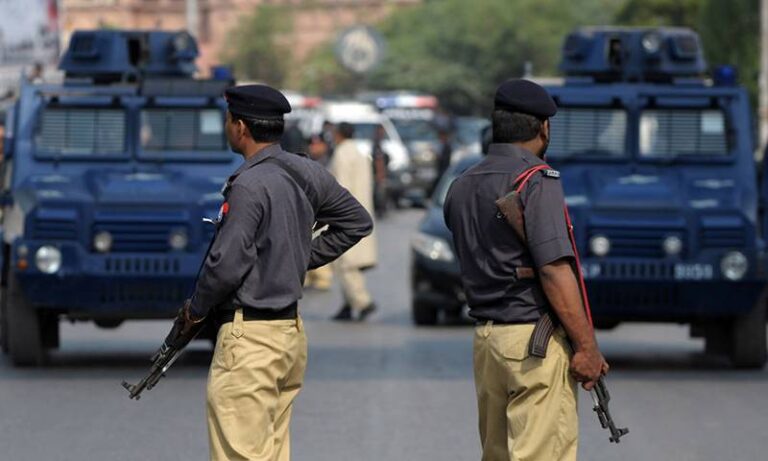
Khawaja Asif issued strong warning over terrorism, saying every drop of blood spilled in terrorist attacks would be accounted for and that Pakistan was capable of taking decisive action against militants. Reacting to the recent attack on Bannu police post, he called the incident deeply tragic and accused Afghanistan of unprecedented betrayal. He alleged that terrorists were crossing into Pakistan from across the border under the patronage of both Afghanistan and India, calling it a proxy war being fought through Afghan territory with Indian backing.
Petrol Price in Pakistan jumps to Rs414.78 Per Litre after another Hike
About the Author