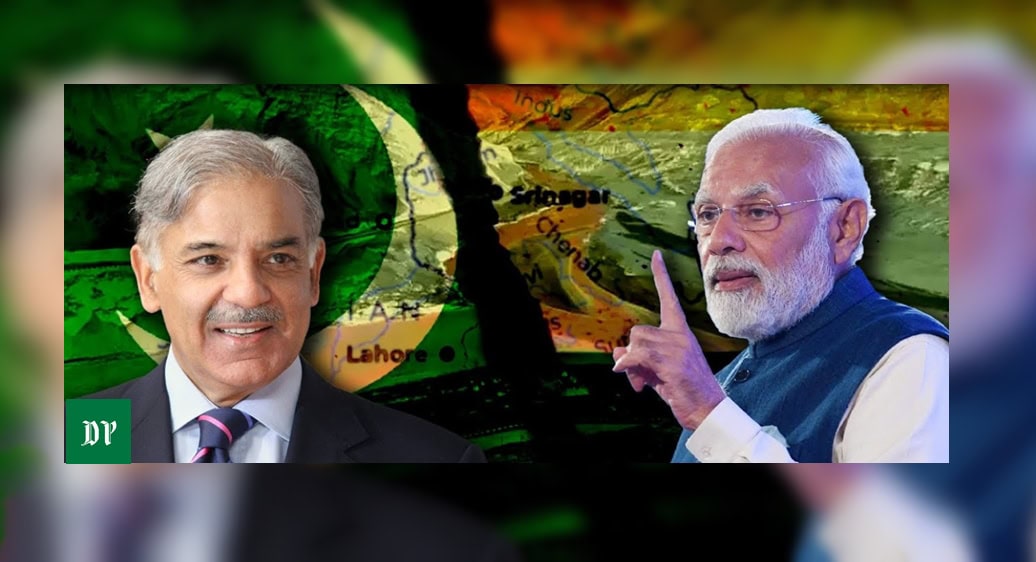
ISLAMABAD – An arbitration court issued a procedural ruling in favor of Pakistan in Indus Waters Treaty dispute with India. Pakistan called it a legal win, while India, as expected, rejected the tribunal’s authority to save its face in latest global embarrassment.
The arbitration court’s ruling intensified already volatile confrontation with India, which flatly rejected tribunal’s authority and doubled down on its decision to place the 65-year-old water-sharing pact in abeyance.
On May 15, 2026, the Court of Arbitration issued a supplemental award addressing the controversial issue of “maximum pondage,” a technical but highly sensitive point tied to the broader interpretation of the treaty. The ruling followed a three-day hearing concluded on April 28, during which Pakistan’s arguments were formally heard and acknowledged by the tribunal.
As expected, New Delhi rejected tribunal as an “illegally constituted so-called Court of Arbitration,” and its Foreign Office does not recognize its authority, proceedings, or rulings. He further insisted that India’s unilateral decision to suspend the treaty remains fully in force.
The ruling triggered intense legal and diplomatic debate. International legal analysts argue that India’s stance carries no validity under international law, stressing that the Court of Arbitration was established directly under the Indus Waters Treaty itself—a binding international agreement signed by both nations. According to this view, India’s refusal to participate could itself amount to a breach of treaty obligations rather than a legitimate legal challenge.
Pakistan had moved the court seeking a detailed interpretation of the treaty, particularly focusing on Indian hydropower projects and their downstream impact on key river systems, including the Chenab, Jhelum, and Indus tributaries. The tribunal is now also weighing Pakistan’s demand to halt certain Indian hydropower developments, while simultaneously reviewing the treaty’s legal status amid rising tensions.
News Desk
About the Author