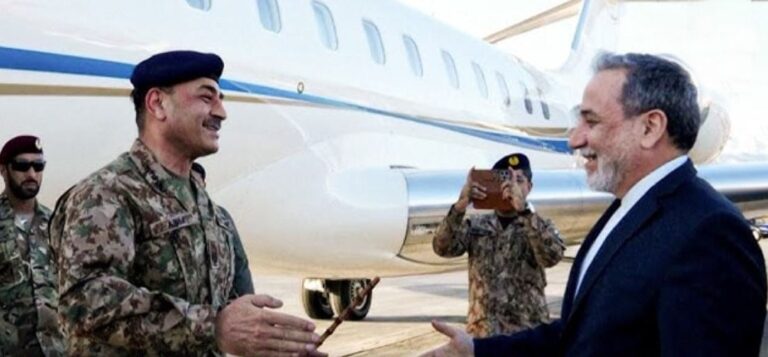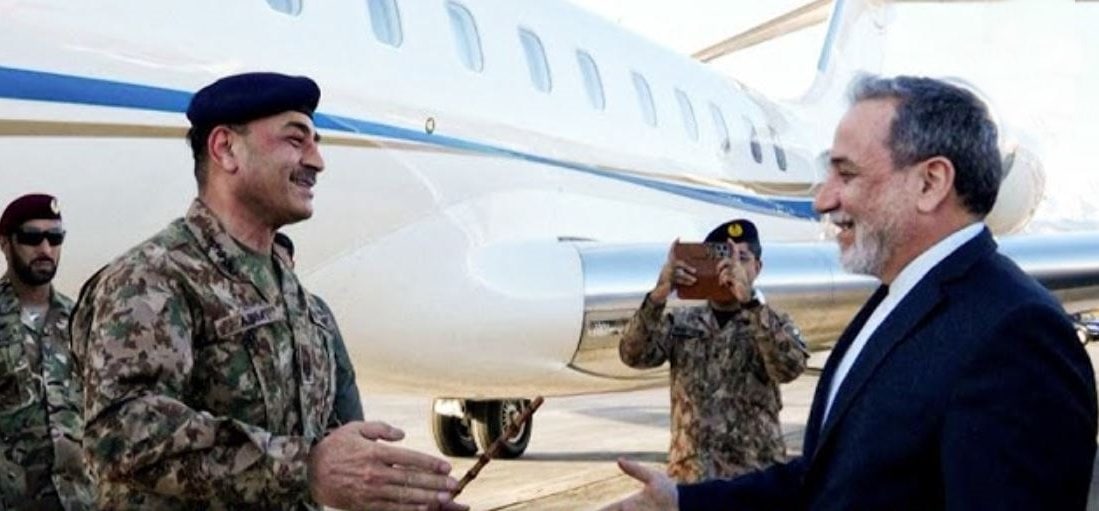
ISLAMABAD – Pakistan’s Chief of Army Staff Field Marshal Syed Asim Munir is expected to visit Iran on Thursday amid Pakistan’s ongoing efforts aimed at narrowing differences and advancing draft understanding between Washington and Tehran.
Islamabad is reportedly emerging as pivotal behind-the-scenes player in sensitive and fast-evolving diplomatic channel between two sides, with sources suggesting an unprecedented flurry of backchannel activity aimed at keeping indirect talks alive at a critical moment.
A report shared by Al Arabiya mentioned Islamabad as key members facilitating informal messaging channels, proposal exchanges, and discreet diplomatic engagement.
Field Marshal is expected to have potentially high-stakes visit. During this visit, there is speculation that a major announcement could be made indicating that a final draft agreement between the United States and Iran has been completed, though officials have not confirmed any such breakthrough.
The reports further claim that serious efforts are currently underway to finalize the draft framework of an agreement between the two sides, with negotiations continuing through indirect channels. A new round of talks is also expected to be held in Islamabad after the Hajj season, signaling that Pakistan could become a recurring venue for follow-up discussions on implementation and next steps.
Alongside this, Interior Minister Mohsin Naqvi is reported to have visited Iran twice within a single week, a move interpreted as part of intensified diplomatic engagement between Islamabad and Tehran amid growing regional activity surrounding the negotiations.
Pakistan’s role, according to these accounts, includes relaying proposals, responses, and diplomatic messages between the United States and Iran, helping maintain a fragile line of communication in the absence of direct engagement between the two adversaries. Islamabad has also been considered as a potential host location for indirect negotiation rounds, including extended sessions that reportedly lasted many hours without producing a final agreement but helped keep the process from collapsing.
While no government involved has issued official confirmation, the overall process is described as ongoing and fluid, with key details still subject to verification. Analysts suggest these efforts have contributed to easing tensions and sustaining dialogue momentum, functioning more as a temporary “keep-talks-alive” mechanism than a finalized peace arrangement.
Trump again credits Pakistan for Iran Ceasefire, calls PM, Field Marshal ‘Wonderful People’
About the Author