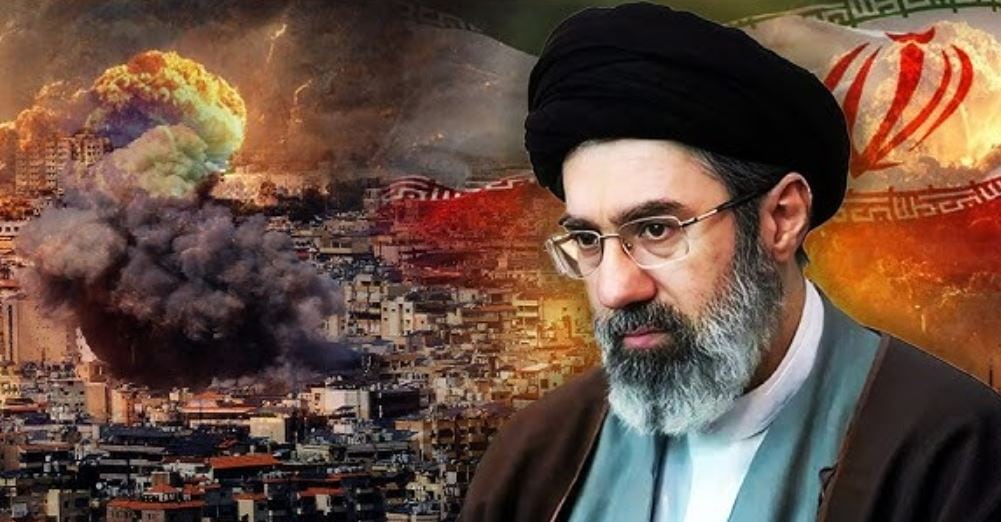
TEHRAN – Supreme Leader of Iran Mojtaba Khamenei delivered strong message with defiance and resolve. As regional tensions simmer, the top commander painted Iran’s nuclear and missile programs not as bargaining chips, but as treasured national assets, ones the country would protect as fiercely as its own land and skies.
Khamenei’s words, aimed squarely at mounting international pressure, signal a nation digging in, determined to hold its ground no matter the cost.
He said US suffered “disgraceful defeat” in its confrontation with Iran, framing the moment as a turning point for power dynamics in the region. He claimed that after two months of intense military buildup and pressure by what he described as global “bullies,” Washington’s plans had collapsed. He portrayed the situation as the beginning of a dramatic new chapter for the Persian Gulf and the strategically vital Strait of Hormuz.
Iranian leader made it clear that Tehran has no intention of backing down on its military capabilities. He stressed that Iran’s nuclear and missile programs will be “closely guarded,” calling them a form of national wealth that citizens would protect as fiercely as their borders, land, and airspace.
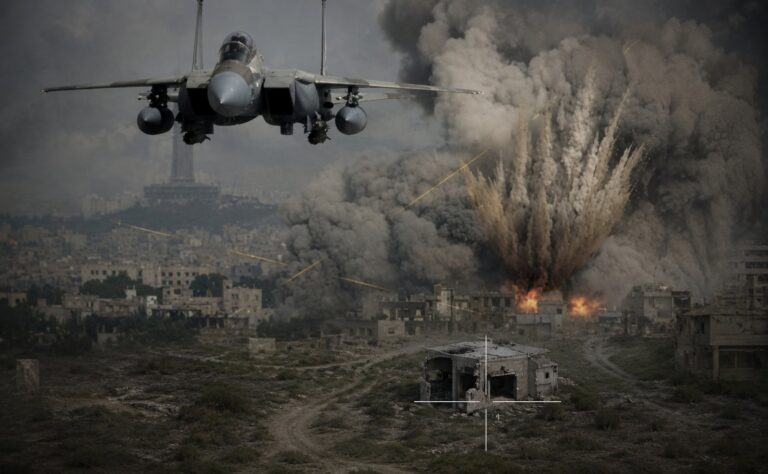
Khamenei highlighted long history of global competition over the Strait of Hormuz, warning that the waterway has always attracted the ambitions of powerful outsiders. But he claimed that recent events in wake of outbreak of conflict involving the US and Israel in late February revealed what he described as the strength, vigilance, and determination of Iranian forces.
In one of the most striking parts of his message, Khamenei envisioned a future in which American influence is pushed out of the region entirely. He argued that the Persian Gulf’s destiny lies in serving the prosperity and stability of its own nations, not foreign powers.
Doubling down, he said Iran is prepared to take charge of securing the Gulf and ending what he called “enemy abuses” in the crucial shipping corridor. According to him, a new system of managing the Strait of Hormuz could usher in calm, economic growth, and shared benefits for all countries in the region.
About the Author