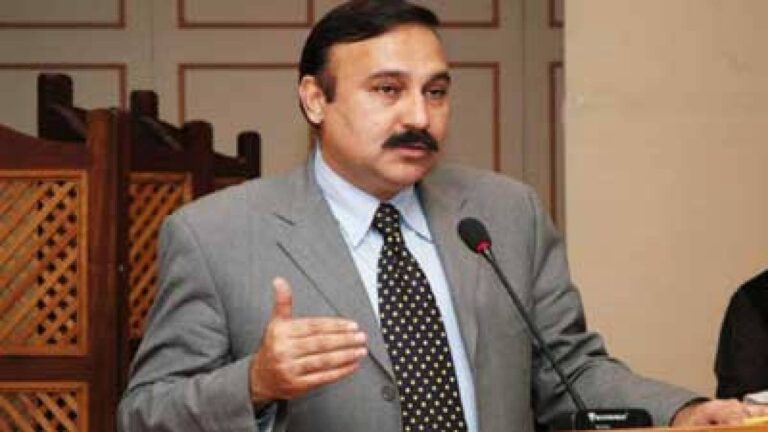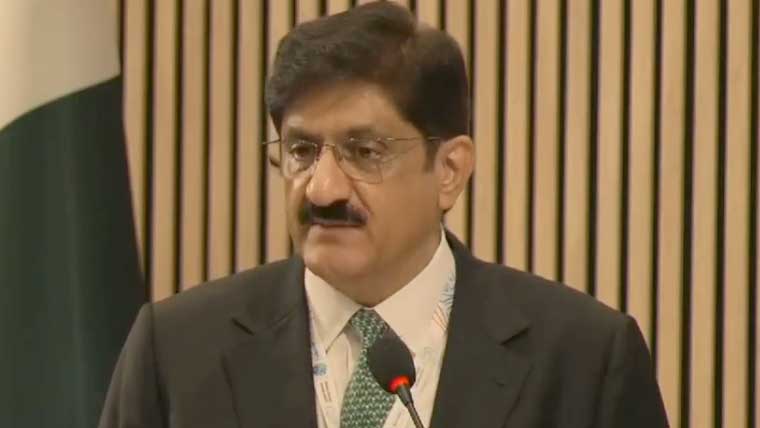
ANTALYA – Sindh Chief Minister Murad Ali Shah has said Pakistan and the global community must unite and take joint action to deal with the serious effects of climate change.
Addressing the COP31 conference in Antalya, he said climate change is severely damaging not only human lives but also the national economy.
He said Pakistan is among the countries facing climate risks and is counted among those worst affected by climate change.
The chief minister said the recent floods affected millions of people in Pakistan, and in Sindh, homes, farmland and schools suffered heavy damage.
Shah said the economic losses caused by climate change and the growing risk of natural disasters demand preventive measures. He said national efforts alone are not enough and the global community must adopt a joint strategy.
He said the provincial government has launched a Green Initiative Programme on an emergency basis to tackle the effects of climate change and promote environment-friendly measures. Timely planning and effective action are essential to reduce losses from natural disasters, he added.
The chief minister said the Sindh government has taken large-scale measures to rehabilitate flood victims, and hundreds of thousands of homes have been built for affected families. To ensure transparency, relief money was transferred directly to victims’ bank accounts.
Shah said Sindh is ready to share its experience in dealing with climate change with the world, adding that the expansion of mangrove forests along Sindh’s coast is an example worth following globally.
He said developing countries are bearing the greatest burden of climate injustice, even though tackling climate change requires joint global efforts.
Proposing a tree plantation campaign, the chief minister said the Sindh government is focusing on promoting clean and renewable energy to reduce environmental pollution and ensure sustainable development.
He expressed the resolve to continue coordinated and joint efforts to meet the challenges of climate change, rehabilitate affected populations and reduce losses from future natural disasters.
Web Desk
About the Author