PTI-led government in KP faces dissolution on Sunday as President Asif Ali Zardari approved the imposition of emergency in Khyber Pakhtunkhwa (KP), following the federal cabinet’s recommendation to invoke constitutional powers amid worsening security concerns and escalating tensions with the PTI-led provincial government.
Prime Minister Shehbaz Sharif has accused the provincial administration of failing to address terrorism, while KP Chief Minister Sohail Afridi has vowed to continue the PTI’s long march and resist any unconstitutional intervention.
President Zardari Approves Emergency in KP
President Asif Ali Zardari has approved the imposition of an emergency in Khyber Pakhtunkhwa, paving the way for the federal government’s move amid rising political tensions and security concerns.
Interior Minister Mohsin Naqvi and Minister of State for Interior Talal Chaudhry reportedly visited the Presidency with the cabinet’s summary.
Federal Cabinet Sends Summary to President
The federal cabinet has recommended that Prime Minister Shehbaz Sharif advise President Asif Ali Zardari to invoke Articles 232 and 234 of the Constitution in response to the situation in Khyber Pakhtunkhwa.
According to the cabinet’s statement, ministers reviewed the worsening law and order situation and what the federal government described as the provincial administration’s deliberate disengagement from the fight against terrorism.
PM Shehbaz Sharif says KP Emergency No longer be delayed
Prime Minister Shehbaz Sharif has strongly criticised the KP government, saying the situation has reached a point where decisive action can no longer be delayed.
Prime Minister Muhammad Shehbaz Sharif chairs a meeting of the Federal Cabinet in Islamabad, today. https://t.co/QEYspRmDLi
— Prime Minister’s Office (@PakPMO) October 11, 2026
Addressing the federal cabinet, he said the government’s patience had run out over the security situation and the political confrontation surrounding the PTI’s planned long march.
“What is being said at this time is unacceptable. The water has gone over our heads,” the prime minister said, adding that he had asked the cabinet to make a decision.
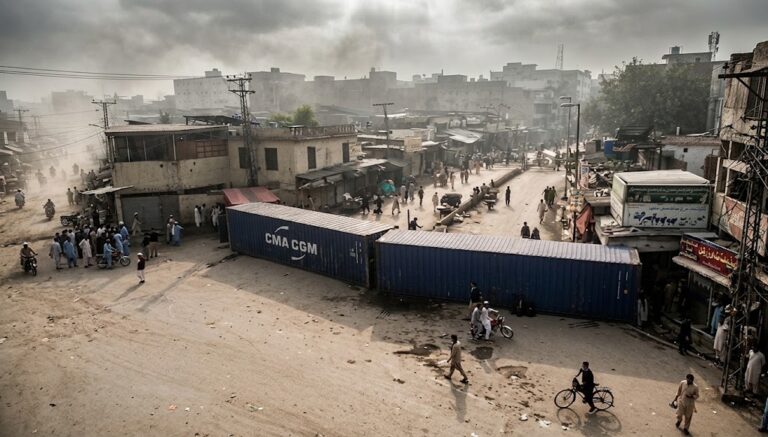
Prime Minister Shehbaz Sharif has said the government will not allow the PTI’s planned long march to proceed towards Islamabad, warning that the law will take its course. He questioned whether the protesters intended to revive the troubling scenes of previous demonstrations, referring to incidents involving clothes being hung up and graves being dug.
Sharif Says Negotiations Failed Despite Two Days of Talks
PM said the federal government had attempted to resolve the dispute through negotiations in coordination with the Pakistan Peoples Party (PPP).
According to Shehbaz, a joint delegation held discussions for two days, and there were encouraging signs that the parties were close to reaching an agreement. However, progress stalled when the other side reportedly said the draft agreement needed to be shown to the chief minister.
He added that the government subsequently asked the PTI to call off its long march but received no response. Shehbaz also said the government had approached JUI-F chief Maulana Fazlur Rehman to help resolve the dispute.
CM Afridi Vows to Continue Long March
KP Chief Minister Sohail Afridi has said the provincial government will not abandon its constitutional and legal demands. In a statement posted on X, Afridi said the federal government had no option but to accept the province’s demands.
ہمارے ڈیمانڈز ماننے کے علاوہ اور کوئی آپشن ہی نہیں۔ ایمرجنسی یا گورنر راج کا اعلان کیے بغیر ایسی حرکتیں کرنا بغاوت میں آتا ہے۔ جگر گردہ پیدا کریں اور اعلان کریں۔ ہم اپنے آئینی و قانونی ڈیمانڈز سے کسی صورت پیچھے نہیں ہٹیں گے۔ آئی قانون کے مطابق ہمارا لانگ مارچ ڈیمانڈز کے پورا ہونے تک جاری رہے گا۔ یہاں پر پالیسی صرف عمران خان کی چلے گی۔
ایمرجنسی یا گورنر راج کے اعلان کے بعد لوگ ترکی کی مثال دینا بھول جائیں گے۔
— Sohail Afridi (@SohailAfridiISF) October 11, 2026
He argued that taking such steps without formally imposing emergency or governor’s rule would amount to rebellion and challenged the federal government to make its intentions clear. Afridi added that the PTI’s long march would continue lawfully until its demands were accepted.
He also warned that people would forget the example of Türkiye once emergency or governor’s rule was announced.
KP Police gets strict orders to Handle Violent Protests
Khyber Pakhtunkhwa police have issued operational guidelines for dealing with possible violent demonstrations across the province.
According to instructions issued by the office of Inspector General of Police Zulfiqar Hameed, officers should first issue warnings and then use tear gas to disperse protesters if necessary. The guidelines also provide for the use of rubber bullets and pepper-ball guns if protesters refuse to disperse.
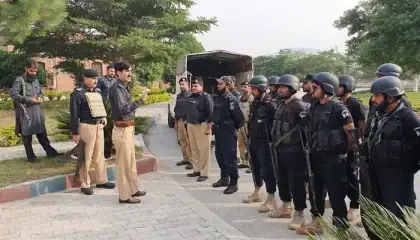
Further measures listed in the instructions include baton charges, warning shots and arrests. The orders were reportedly issued under Sections 83 to 88 of the Khyber Pakhtunkhwa Police Act, 2017.
District police officers have been directed to supervise protest-related duties personally, while security has been tightened at police stations, government offices, petrol pumps, banks, shopping centres, highways and other sensitive installations.
Zardari Meets KP Governor and Interior Minister Over Security Situation
President Asif Ali Zardari has met KP Governor Faisal Karim Kundi and Interior Minister Mohsin Naqvi to discuss the country’s overall security situation, particularly the deteriorating law and order situation in Khyber Pakhtunkhwa.
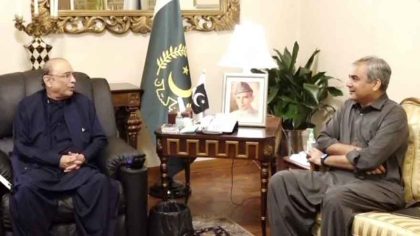
According to a statement from the Presidency, the president was briefed on security challenges facing the country and the province. The meeting came amid growing speculation about the possible imposition of emergency or governor’s rule in KP.
Naqvi Says No Room Left to Avoid Emergency in KP
Interior Minister Mohsin Naqvi has said the federal government has exhausted its options for avoiding emergency measures in Khyber Pakhtunkhwa.
Speaking informally to journalists in Islamabad, Naqvi said he had made every possible effort to prevent such a decision. Asked whether negotiations could still avert emergency measures, he referred to his discussions with PTI Chairman Barrister Gohar Ali Khan and said there was no room left for further delay.
Section 144 Imposed in Rawalpindi for 30 Days
Authorities have imposed Section 144 in Rawalpindi and Murree from October 10 to November 8, 2026, citing security concerns.
In Rawalpindi, public gatherings of five or more people, rallies, processions, carrying weapons, batons and petrol bombs, double riding on motorcycles and the use of loudspeakers have been prohibited.
In Murree, the restrictions also cover protests, sit-ins, demonstrations, firearms, spiked batons, slingshots, ball bearings, petrol bombs and other items that could be used for violence. Authorities have warned that violations will result in legal action.
What Does the Constitution Say About Emergency in KP?
Three constitutional provisions are central to the debate over emergency measures in Khyber Pakhtunkhwa.
- Article 232: Deals with the proclamation of an emergency in circumstances involving war, external aggression or serious internal disturbance that threatens national or regional security.
- Article 233: Addresses the suspension or restriction of certain fundamental rights during an emergency, subject to constitutional conditions.
- Article 234: Provides for action when the constitutional machinery of a province fails and deals with measures commonly associated with governor’s rule.
An emergency under Article 232 and governor’s rule under Article 234 are separate constitutional measures with different legal requirements. An emergency declaration does not automatically dissolve a provincial assembly.
Federal Cabinet Reviews KP Security Situation
The federal cabinet, chaired by Prime Minister Shehbaz Sharif, reviewed the security situation in Khyber Pakhtunkhwa during a meeting focused on the province.
According to reports, the meeting also considered the possibility of imposing governor’s rule, declaring an emergency across the province or introducing emergency measures in selected areas. A report covering militant incidents in KP over the preceding five years was also presented to the cabinet.
The federal government’s move comes amid a worsening confrontation with the PTI-led provincial government over security concerns and the party’s planned long march towards Islamabad.
The dispute has intensified following failed negotiations and public exchanges between federal officials and KP Chief Minister Sohail Afridi. The legal scope and implementation of any emergency proclamation, along with the possibility of separate action under Article 234, remain key issues to watch.
Stay tuned with Daily Pakistan for further updates on the KP emergency, the federal government’s next steps and the PTI’s response.
About the Author