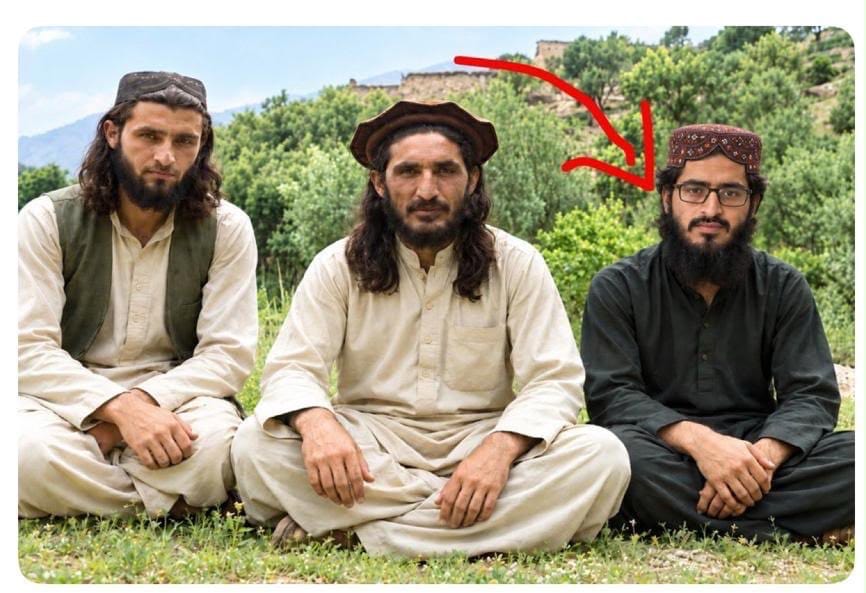
ISLAMABAD – Abdul Wali Dawar, a senior commander of Hafiz Gul Bahadur Group, was killed in a Pakistani airstrike in Khost province, Afghanistan.
Amid escalating tensions between Pakistan and Afghanistan, reports have emerged that a key militant hideout in Khost was targeted during the operation, reportedly resulting in the death of Abdul Wali Dawar along with several other militants. However, the reported fatalities have not yet been independently verified.
Pakistani security sources claim that Abdul Wali Dawar was among the key commanders of the Hafiz Gul Bahadur Group and had been involved in planning and executing multiple terrorist attacks and suicide bombings targeting security forces in Khyber Pakhtunkhwa.
Sources further allege that Dawar was key player planning and carrying out operations against Pakistan, making his reported death a potentially major development in the country’s ongoing counterterrorism efforts.
According to security sources, the primary targets of the Khost operation were individuals allegedly involved in terrorist activities against Pakistan and their hideouts. The reported killing of Dawar is being described as a major outcome of the strike.
The latest development comes amid rising tensions along the Pakistan-Afghanistan border. On September 24, Pakistani authorities confirmed air and drone operations against 10 locations in Afghanistan. Islamabad described the action as a defensive response to drones originating from Afghanistan and said the targets were military in nature.
Afghan sources reported strikes in Khost’s Gurbuz, Ismail Khel and Mandozai districts, as well as areas near the provincial capital. Local Afghan officials said there were no casualties at some of the targeted locations.
Hafiz Gul Bahadur Group is major militant threat to Pakistan. According to a June 2026 report by the European Union Agency for Asylum, the group has maintained links with Al-Qaeda, the Haqqani Network and Tehreek-e-Taliban Pakistan (TTP). However, the report notes that the Hafiz Gul Bahadur Group has its own command structure and should not simply be treated as part of the TTP.
The group and its affiliated factions have claimed responsibility for ambushes, improvised explosive device (IED) attacks and suicide operations against security forces, particularly in North Waziristan and other parts of Khyber Pakhtunkhwa.
In recent months, reports of attacks against security forces in Khyber Pakhtunkhwa by militants affiliated with the Hafiz Gul Bahadur Group have continued to emerge. The alliance led by the group was also reported to have claimed responsibility for the September attack on Kohat Police Lines.
Pakistan repeatedly accused militant groups operating from Afghanistan of using Afghan territory to plan and launch attacks against Pakistani security forces. Afghan authorities, meanwhile, have described Pakistani airstrikes as violations of Afghanistan’s sovereignty.
The latest reported operation in Khost comes against this backdrop of heightened cross-border tensions, with Pakistan continuing to target what it describes as militant sanctuaries across the border.
Pakistan carries out strikes in Afghanistan’s Paktika, Kunar after Kohat Bombing
News Desk
About the Author