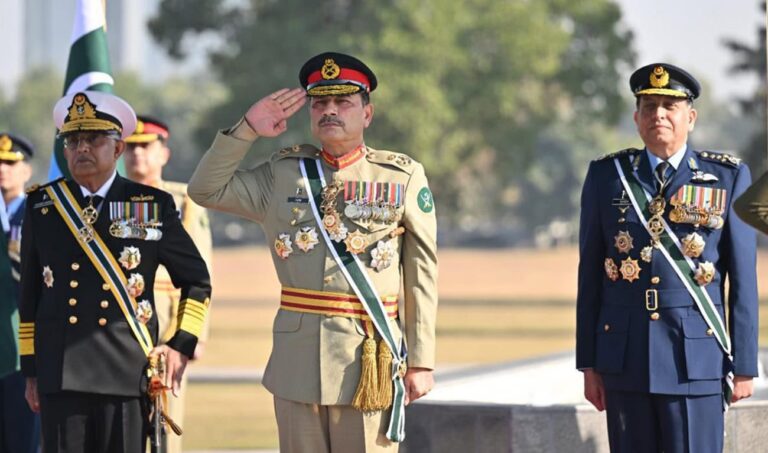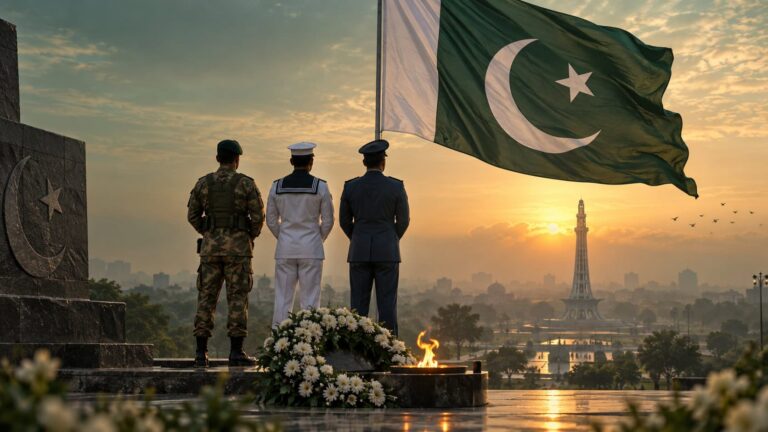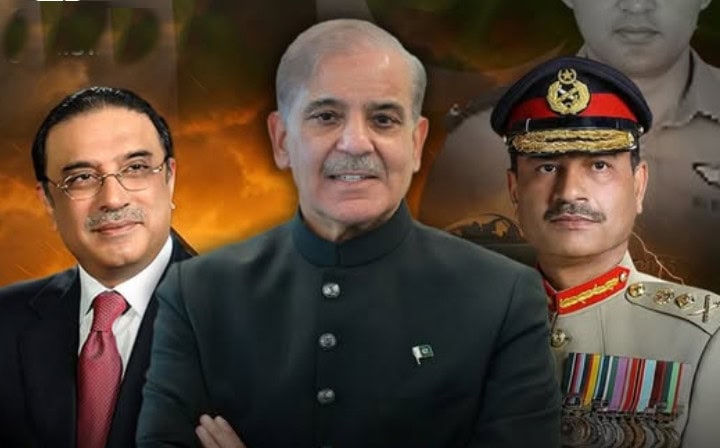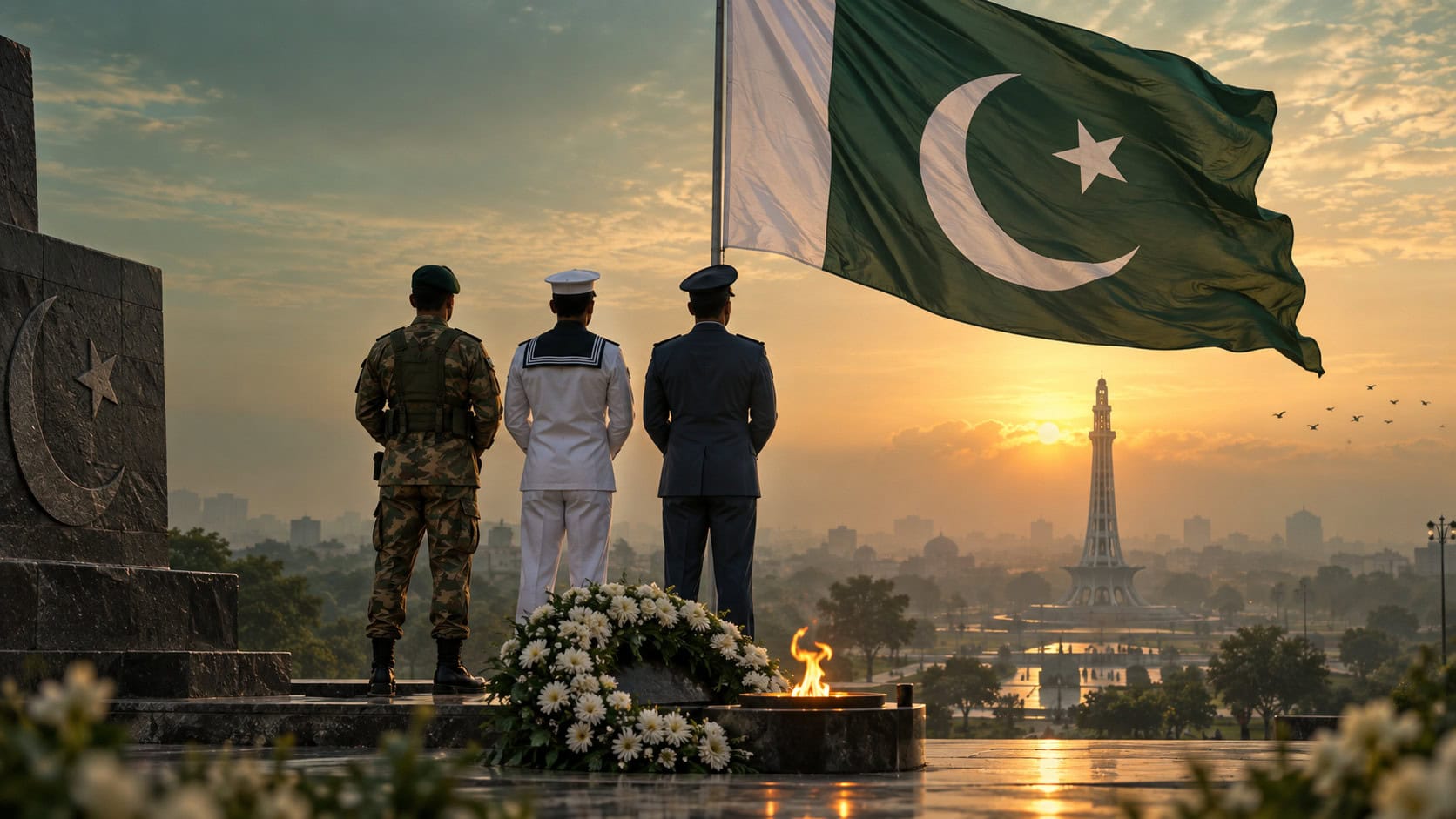
Pakistan celebrates Defence Day every year on 6th September, a day deeply engraved in our national memory as a reminder of the unwavering valour of our Armed Forces and the indomitable will of the Pakistani people. We celebrate this milestone not only for the heroic defence of our borders in 1965, but also for the legacy of excellence that has long marked our Armed Forces. This Defence Day reminds us of the spirit of 1965 and how the enduring values of leadership, training, and unwavering morale coalesced to achieve a decisive victory that altered the strategic equation in South Asia.
The opening phase of the 1965 War offered perhaps the clearest demonstration of the professional ethos that Defence Day commemorates. The PAF seized operational initiative by conducting offensive counter-air operations on Indian air bases at Pathankot, Adampur and Halwara. These missions were not only designed to kill aircraft, but also to hamper India’s ability to maintain air operations and shape the battlespace before it could take advantage of numerical superiority. The operation underscored the importance of Suppression of Enemy Air Defences (SEAD) and also damaged key elements of the Indian air defence system.
Beyond strategy and technology, the 1965 War proved that the ultimate competitive edge lies in human capital. This professionalism was developed through intense training, excellent airmanship, strict adherence to procedures and commitment to the mission. By destroying three Hunters in under thirty seconds as part of five confirmed aerial victories, Squadron Leader M M Alam set a world record in aerial combat, securing his place as an enduring icon of professional excellence and operational mastery. Likewise, Squadron Leader Sarfraz Ahmed Rafiqui’s decision to remain engaged despite his aircraft’s gun malfunction epitomised the principles of mission command and selfless leadership.
While the air campaign highlighted the significance of operational initiative, the land campaign highlighted the equal necessity of endurance and resilience. The Pakistan Army’s firm defence of Lahore and its decisive action at Chawinda prevented an operational breakthrough and showed that disciplined defence can be as important as offensive manoeuvre. This was most vividly illustrated by Major Raja Aziz Bhatti, who defended the BRB Canal for five days against relentless artillery and armour attacks, a position vital to Lahore’s security.
At sea, the Pakistan Navy executed Operation Dwarka to strike Indian radar and military installations while safeguarding Pakistan’s maritime approaches, with PNS Ghazi positioned to deter Indian naval movements. The operation not only achieved its tactical objectives but also generated significant psychological and strategic effects, underscoring the role of maritime power in shaping the wider conflict. Therefore, the combined use of air, land, and sea power illustrated an early understanding of joint warfare, and strategic success depended on integrated military operations rather than isolated actions by individual services. Defence Day, therefore, is not just about exceptional courage but also about the institutional ethos of jointness, which still underlies the operational effectiveness of the Armed Forces of Pakistan.
Behind these operational achievements stood leaders who shaped institutions as much as they directed campaigns. Pakistan Air Force’s emphasis on merit, rigorous training, operational autonomy and leading from the front helped define the organisational structure that continued to influence the years that followed. Therefore, the conflict’s most enduring legacy extended beyond battlefield victories and military decorations. It was institutionalised in doctrine, professional military education, realistic training and a culture of continuous adaptation, all of which are essential for Pakistan’s defence in a complex strategic scenario.
This legacy endured and remained visible in modern wars. The Pakistan Armed Forces’ conduct during Marka-e-Haq showed that the principles of 1965 continue to shape Pakistan’s approach to warfare. Precision strikes, Beyond Visual Range (BVR) engagements, integrated cyber, space and electromagnetic capabilities, and synchronised use of air, land and maritime power were all manifestations of decades of institutional learning, not just a one-off success. While warfare has evolved into multi-domain operations, the fundamental principles of military effectiveness remain the same: visionary leadership, rigorous training, operational initiative, jointness, and a relentless focus on mission success. In that regard, Marka-e-Haq was not a break from 1965, but its modern-day manifestation.
Today, we celebrate this Defence Day not just to honour the valour of those who fought before us, but to celebrate today’s warriors who continue to safeguard Pakistan’s sovereignty with unwavering resilience and resolve. Pakistan’s strength lies not only in its hardware but also in the indomitable will, professionalism, and operational capabilities of its Armed Forces. On this Defence Day, we can rest assured that the ideals of courage, sacrifice, unity, and unwavering service are alive. The spirit of our Armed Forces is vigilant, ever prepared to defend the Motherland against any and all assaults.
Faiza Abid
About the Author