TEHRAN – Another tense day in Gulf as explosions rocked Iran’s strategic Qeshm Island amid tensions with Washington, raising new fears over the security of the Strait of Hormuz and global energy supplies.
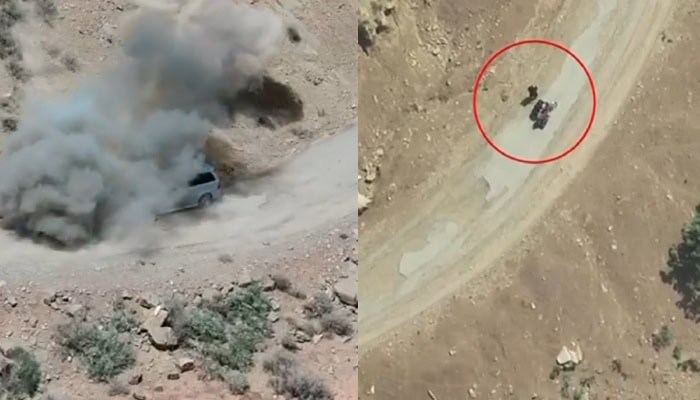
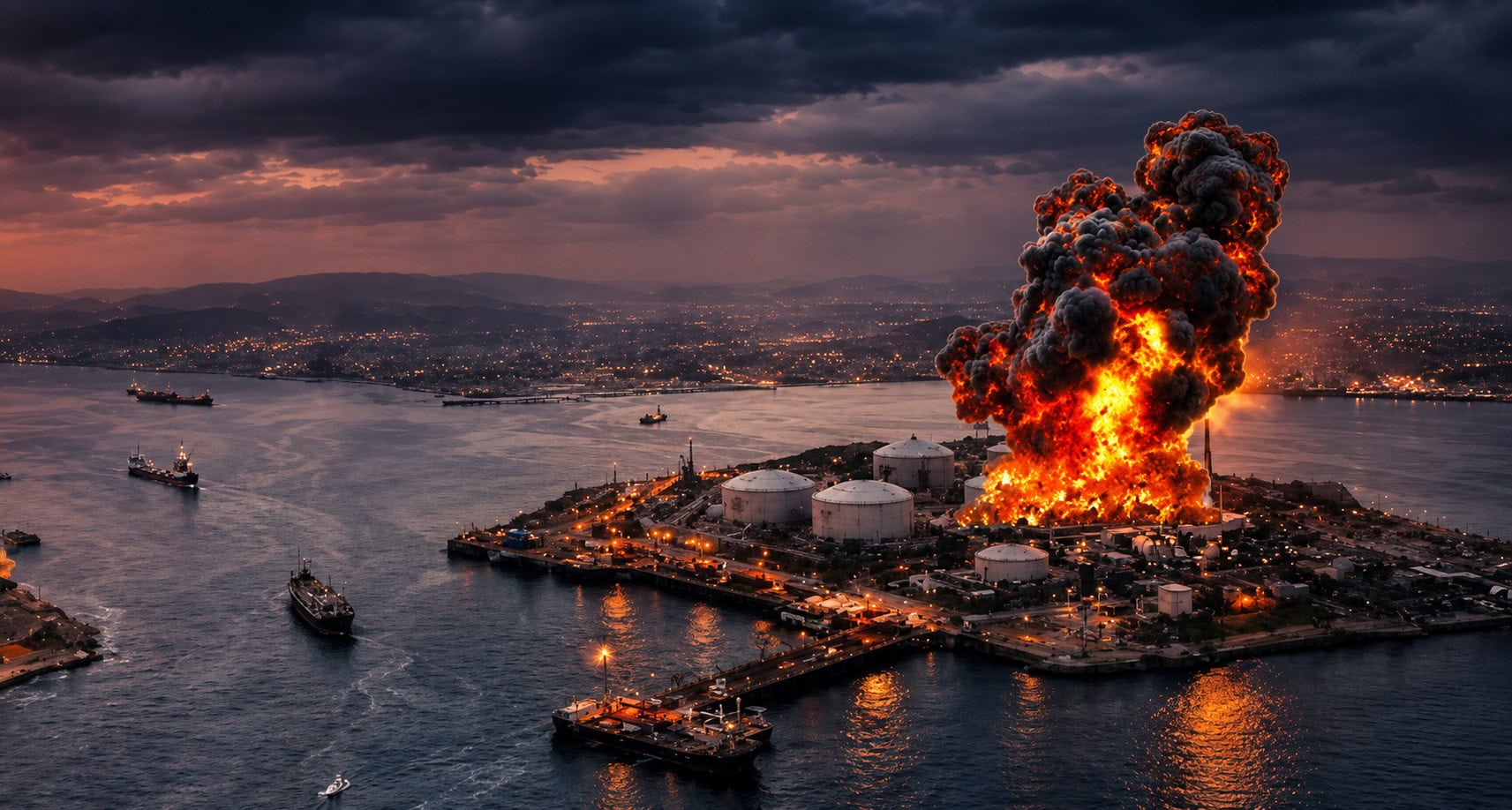
Fresh blasts erupted on strategically vital Qeshm Island on Tuesday evening. The target was Mesen area, which has come under repeated attacks in recent days, and once again targeted as military hostilities spread across the Gulf. The latest attacks heightened concerns over the security of one of the world’s most critical maritime chokepoints, with regional powers now on high alert and global markets reacting to the growing uncertainty.
Kuwait confirmed that its air defense systems were activated after detecting hostile aerial threats, signaling that the conflict is no longer confined to a single front but is increasingly affecting multiple Gulf nations.
The developments followed a five-hour US military operation targeting Iranian positions. Reports indicated that American forces carried out strikes for the third consecutive night after Tehran declared the Strait of Hormuz closed, dramatically escalating tensions around the strategic waterway that carries nearly one-fifth of the world’s daily oil and liquefied natural gas shipments.
Iran responded by launching ballistic missiles toward a US military base in Jordan while also targeting Bahrain, home to a major US naval installation. Bahraini authorities said their air defense systems intercepted the incoming attack, while Jordan confirmed that four ballistic missiles were successfully destroyed before reaching their targets. Residents of Bahrain’s capital, Manama, reported hearing multiple explosions as the interceptions took place.
In Washington, US President Donald Trump announced plans to restore restrictions on Iranian shipping and proposed imposing a 20 percent security fee on cargo vessels passing through the Strait of Hormuz. According to the US Navy-led Joint Maritime Information Center, the measures were scheduled to come into effect at 2000 GMT on Tuesday.
Iranian Foreign Minister Abbas Araghchi strongly rejected the proposal, insisting that Iran has long safeguarded the Strait of Hormuz and would continue to do so. Responding on social media, he described the proposed transit charge as excessive while maintaining that Tehran would continue to act fairly in managing the vital waterway.
Iran says destroyed US military assets in Bahrain as CENTCOM completes latest wave of strikes
About the Author