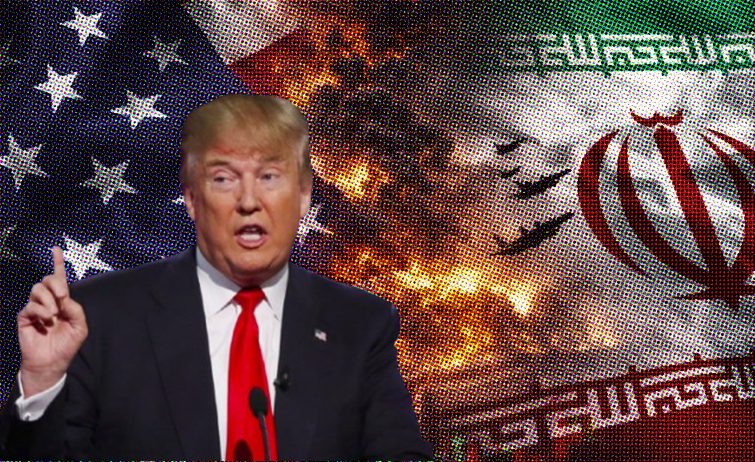
WASHINGTON/TEHRAN – The fragile ceasefire between the United States and Iran appears to have collapsed after US President Donald Trump declared truce “over,” amid a fresh exchange of military strikes that reignited fears of a wider conflict across the Middle East.
The latest escalation has also sent global oil prices soaring and cast serious doubt over any immediate prospects for diplomacy. Speaking on the sidelines of the NATO summit in Ankara, Trump said the interim Memorandum of Understanding with Iran had effectively come to an end and dismissed further negotiations with Tehran.
“I think it’s over,” Trump told reporters, adding that he no longer wanted to engage with Iran and describing its leadership in harsh terms. He also said continued talks would be “a waste of time,” despite indicating that US negotiators could proceed if they wished.
.@POTUS on the status of the ceasefire with Iran: “To me, I think it’s over. I don’t want to deal with them anymore. They’re scum… They’re led by sick people… I’ll speak to our negotiators. They want to negotiate—they’re good people… but they have to come back to me. As far… pic.twitter.com/6eYfwMxSdn
— Rapid Response 47 (@RapidResponse47) July 8, 2026
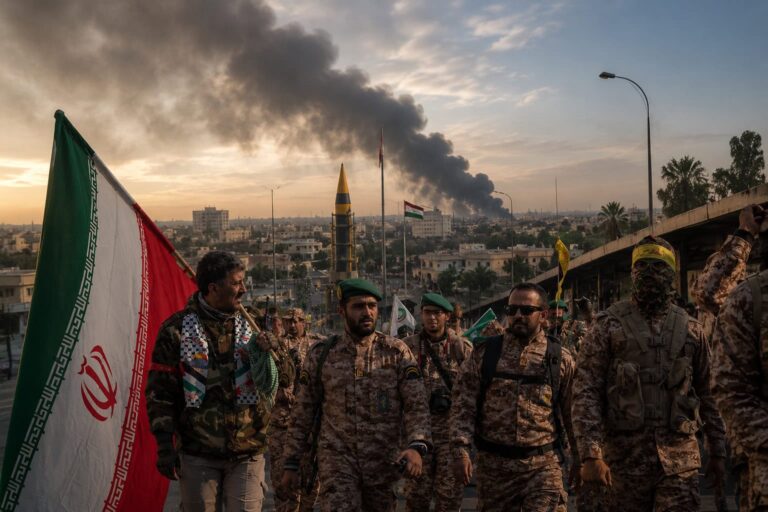
Trump’s remarks came hours after Iran launched missiles and drones at US military targets in Bahrain and Kuwait. Iran’s Islamic Revolutionary Guard Corps (IRGC) said the attacks were carried out in retaliation for a new wave of American strikes on Iranian territory. Iranian officials also claimed to have targeted an air base in Bahrain used by US forces.
Us launched fresh strikes on sites in southern Iran and revoked a license that had temporarily allowed Tehran to sell oil under the interim agreement. US officials said the military action and renewed sanctions were intended as punishment for recent attacks on commercial vessels near the Strait of Hormuz, one of the world’s most critical energy shipping routes.
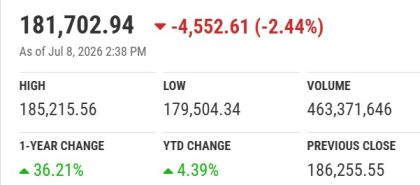
The renewed hostilities rattled global energy markets, with oil prices jumping nearly 6% as investors reacted to concerns that escalating tensions could disrupt supplies passing through the Strait of Hormuz.
American President accused Iran of violating the ceasefire by threatening international shipping and reiterated that he had little confidence in reaching a diplomatic solution. While leaving the door open for negotiators, he suggested Washington should focus on its broader strategic objectives rather than continuing talks with Tehran.
Iran, however, blamed the United States for derailing the truce. In a statement, the Iranian Foreign Ministry accused Washington of breaching the agreement through renewed military operations, the restoration of sanctions on Iranian oil exports, and actions that undermined the framework of the ceasefire. Tehran argued that these measures had rendered key provisions of the understanding ineffective.
The IRGC said it struck 85 US military targets across Bahrain and Kuwait in response to the American attacks, marking one of the most significant military exchanges between the two countries since the ceasefire was announced three weeks ago. The latest developments have deepened uncertainty over regional security and raised fears that the conflict could expand further.
US-Iran Ceasefire in limbo as Bahrain, Kuwait hit by Fresh Iranian Strikes
News Desk
About the Author