LAHORE – Punjab E-Taxi flagship initiative to create jobs and promote green transportation now comes under scrutiny as Punjab government launched sweeping crackdown on beneficiaries who allegedly turned subsidized e-taxis into private vehicles, warning that those found violating the scheme’s terms could lose their cars as authorities begin a province-wide verification drive.
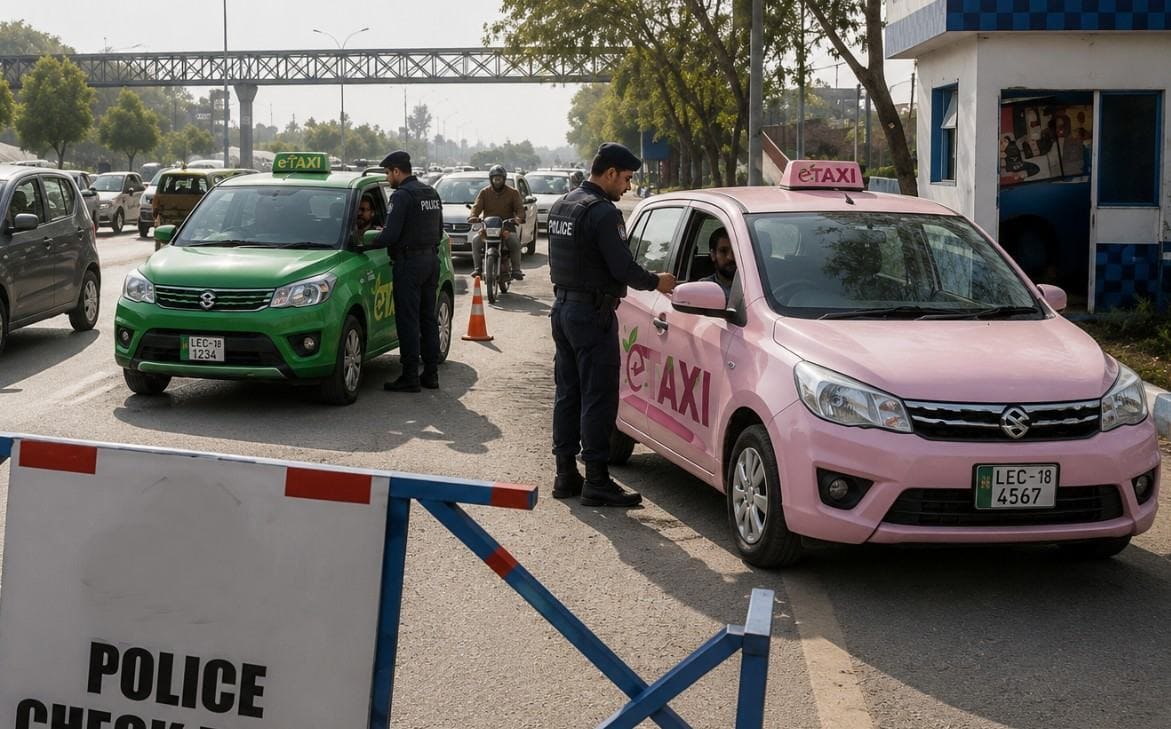
The provincial government launched aggressive crackdown on alleged misuse of vehicles distributed under CM Interest-Free E-Taxi Scheme, warning beneficiaries that electric taxis being used for private purposes instead of commercial operations will be confiscated.
The action follows official probe by Punjab Transport Department, which reportedly uncovered multiple violations of the scheme’s terms. According to officials, several beneficiaries were using the subsidized electric vehicles as personal family cars rather than operating them as taxis to earn a livelihood. Investigators also found that some recipients had removed official Punjab government branding and decals from the vehicles in an apparent attempt to conceal their identity under the government-backed initiative.
A province-wide verification campaign has now been launched to inspect every beneficiary who received an electric taxi under the program. Authorities said the audit will determine whether recipients complied with the conditions attached to the interest-free financing scheme.
Punjab Transport Minister Bilal Akbar Khan said the government possesses complete records of all beneficiaries and can verify how every vehicle is being used. He warned that e-taxis found parked at homes or reserved solely for personal transportation would be repossessed without hesitation. However, he clarified that legal action would be taken only against those who violated the agreement by failing to operate the vehicles as commercial taxis.
The enforcement drive comes as provincial government seeks to protect one of its flagship transport initiatives launched under Chief Minister Maryam Nawaz Sharif. The Chief Minister’s Interest-Free E-Taxi Scheme forms a key pillar of Punjab’s Transport Vision 2030 and the Green Punjab campaign, both aimed at modernizing public transport while reducing environmental pollution.
Designed to replace conventional fuel-powered taxis with electric vehicles, the scheme also seeks to create self-employment opportunities for unemployed youth, women, and low-income families by enabling them to earn through commercial transport services.
The government introduced 1,100 electric taxis, with Lahore selected as the first city for implementation. To finance the project, Punjab allocated between Rs3.5 billion and Rs4 billion in subsidies, while Bank of Punjab extended 100 percent interest-free loans repayable in flexible installments over a maximum period of five years.
Beneficiaries were required to contribute nearly 30 percent of the vehicle’s cost as equity, with the government providing financial assistance toward the down payment. Female applicants were offered additional subsidies to encourage greater participation in the transport sector.
The scheme includes several incentives aimed at reducing operating costs and improving passenger safety. These include free vehicle registration, exemption from token tax, GPS tracking systems, panic buttons, official government branding, extended battery and motor warranties covering up to 300,000 kilometres, and an estimated driving range of 250 to 300 kilometres on a single charge.
Under pilot rollout, around 700 electric taxis were allocated to fleet operators, each required to operate a minimum of 10 vehicles in partnership with approved ride-hailing platforms. Another 400 vehicles were distributed among individual drivers, including a dedicated quota for women to promote financial inclusion and entrepreneurship.
The government maintained a zero-tolerance policy toward the misuse of public funds. Officials said verification campaign is intended not only to recover vehicles from those who violated the scheme’s conditions but also to ensure that the multi-billion-rupee initiative continues to serve its original purpose of generating employment, and expanding electric mobility.
News Desk
About the Author