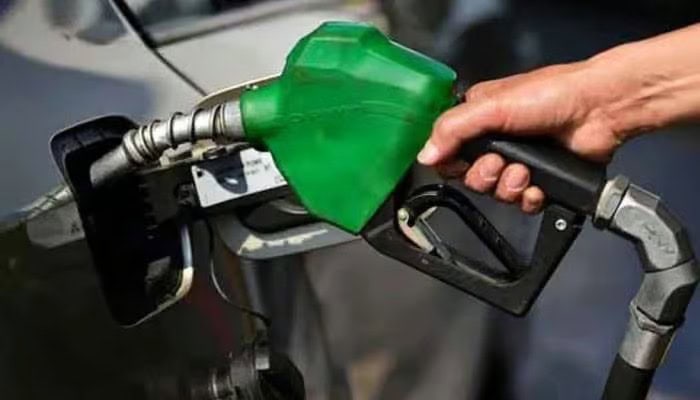
ISLAMABAD – As travel cost witnessed big increase due to soaring fuel prices Pakistan, motorists face another blow as owning and driving a vehicle is now heading toward a sharp increase under proposed Budget 2026–27.
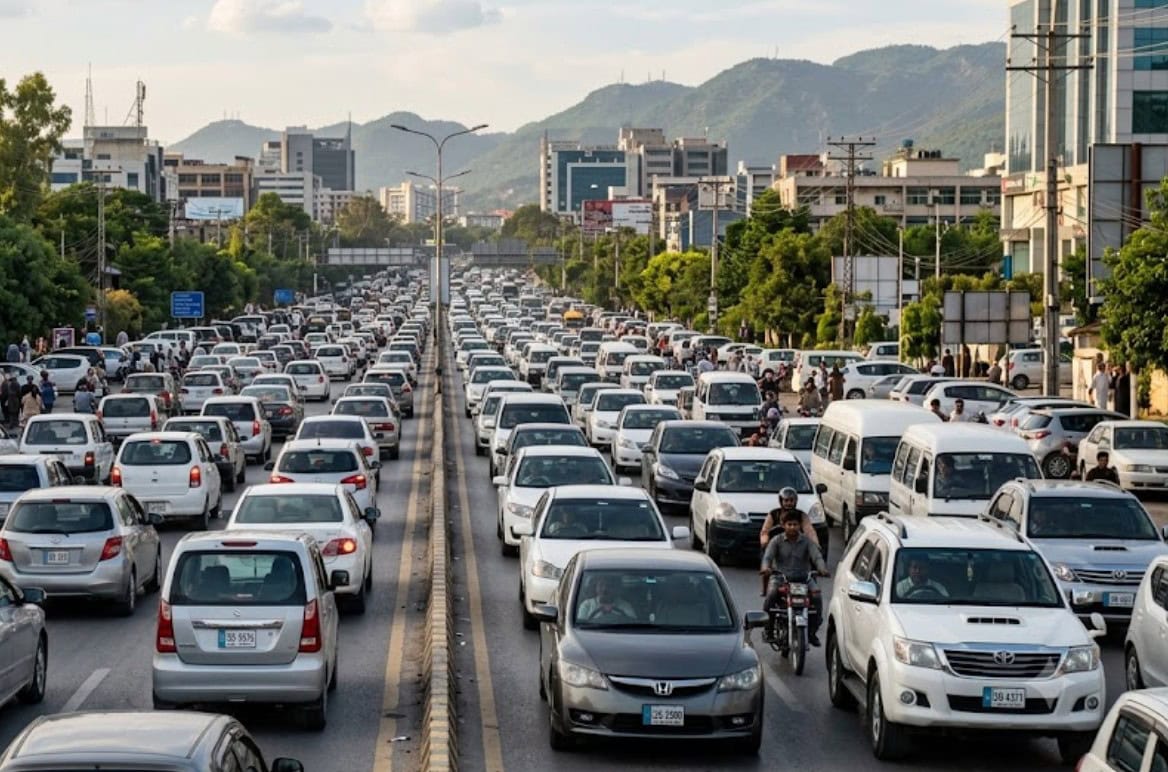
With token tax set to rise based on engine capacity and vehicle value, everyday travel could become noticeably more expensive for thousands of motorists across capital city Islamabad .
Budget 2026 proposes sweeping revision in token tax rates, linked to engine capacity and vehicle invoice value. Under the proposed plan, cars with engine capacities of up to 1000cc would be subjected to a hefty fixed token tax of Rs. 20,000, signaling a major burden on small car owners.
For mid-range vehicles, including those with engine capacities from 1001cc to 1300cc, 1301cc to 1500cc, and 1501cc to 2000cc, the government plans to impose a token tax of 0.25% of the vehicle’s invoice value, linking the tax directly to the cost of the vehicle.
Luxury and high-powered vehicle owners would bear brunt as cars with engines from 2001cc to 2500cc and above 2500cc are set to face a 0.35% tax on invoice value, further increasing costs for high-end automobile users.
Budget proposal also includes separate token tax structures for motor cabs. Under proposed rates, cabs with engines up to 1000cc would pay Rs. 600, while those above 1000cc but not exceeding 1300cc would be charged Rs. 1,000. Motor cabs in the 1300cc to 1500cc category would face a tax of Rs. 1,700, whereas those above 2500cc would be taxed Rs. 4,200.
The tax collection authorities extended revised token tax rates to cover public transport and commercial vehicles, signaling a broader overhaul of vehicle taxation across the board under the new finance proposal.
Budget 2026-27: Finance Minister clears air on NFC Award changes for provinces
About the Author