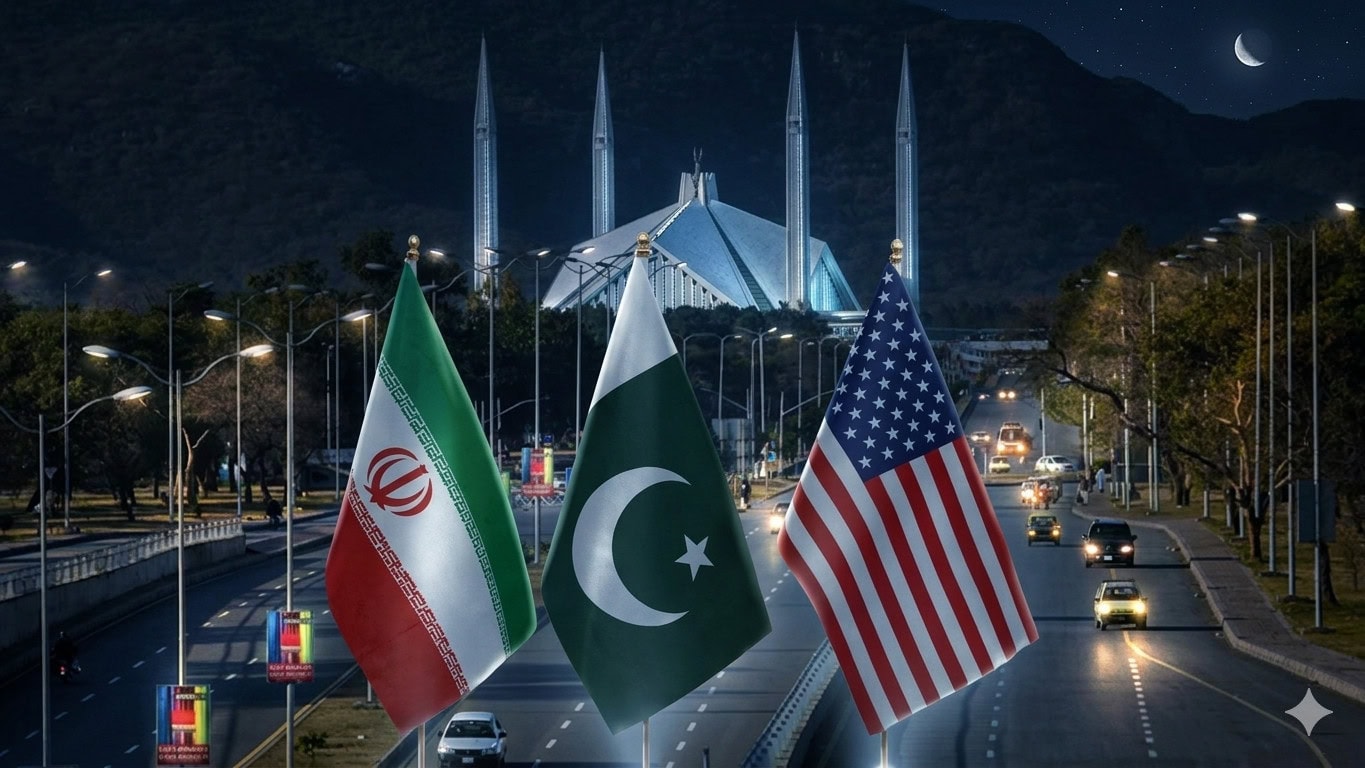
ISLAMABAD – US-Iran negotiations are moving closer to possible breakthrough, with both sides increasingly seeing deal as preferable to continued conflict. As discussions advance on a potential framework, Pakistani capital emerged as the city to host the signing ceremony due to its earlier role in facilitating contacts between arch-rivals.
Pakistan stepped into the spotlight as key behind-the-scenes mediator in the escalating 2026 US–Iran conflict, which erupted after joint US–Israeli airstrikes on Iran in February this year.
Diplomatic circles in Washington and UN are buzzing with speculation that Islamabad could soon host one of the most consequential peace signing ceremonies in recent history, if ongoing US-Iran negotiations succeed in producing final agreement.
Sources describe the talks as being closer than at any point in recent years, with one senior diplomat assessing the likelihood of a breakthrough at “nine out of ten,” while cautioning that the exact timing remains uncertain. Despite the suspense, behind-the-scenes momentum is reportedly building fast.
Pakistan unexpectedly emerged at center of global diplomacy, with officials pointing to its earlier role in facilitating initial contacts between Washington and Tehran as a key reason it is now being considered a neutral and practical venue. With neither US nor Iran maintaining diplomatic relations, a third country is required for any formal signing, and Islamabad is increasingly seen as the natural choice.
Negotiators are shaping a broad framework that could include reopening the strategically vital Strait of Hormuz and extending a fragile ceasefire, while deferring the most contentious nuclear issues for later rounds of negotiation.
Both sides are now converging on stark reality, continuing conflict carries unbearable political, economic, and strategic costs. US officials reportedly concluded early in the conflict that air power alone would not achieve decisive results, while Iranian leaders have likewise recognized the mounting strain of war, sanctions, and infrastructure damage.
If finalized, the emerging deal could mark the end of US-Israeli military operations against Iran in exchange for Tehran reopening the Hormuz. Iran would also be expected to provide assurances that it will not pursue nuclear weapons development, while complex technical issues such as uranium enrichment levels and stockpile management would be pushed into future negotiations.
Pakistan’s ex-ambassador to UN Munir Akram suggested that much of the public disagreement between the two sides may be more about political framing than actual substance, arguing that both Washington and Tehran are seeking a deal they can present as a victory at home.
Iranian officials are said to be deeply concerned about ongoing Israeli military operations in southern Lebanon, which they want halted as part of any broader regional settlement. Diplomats warn that delays could allow further military consolidation on the ground, complicating the fragile diplomatic track.
Washington continues to stress its long-term security commitments to Gulf allies. While some regional states are quietly exploring closer ties with Iran as a hedge against instability, US officials have reaffirmed that there will be no reduction in American military presence in the Gulf.
Trump walking Two Lines, saying Iran Deal is near, but War Option still Active
About the Author