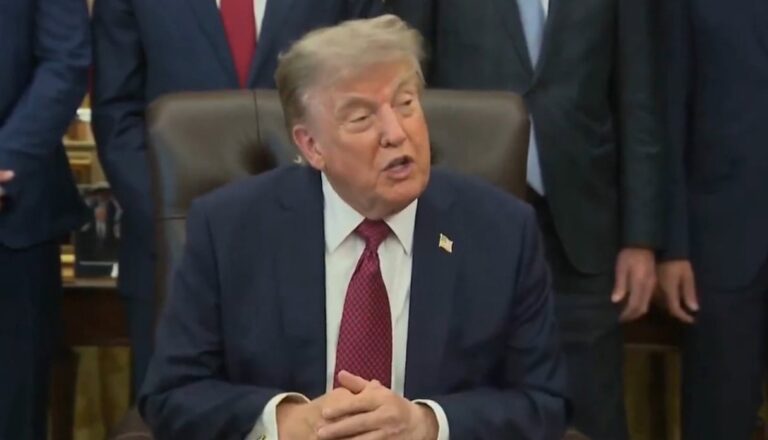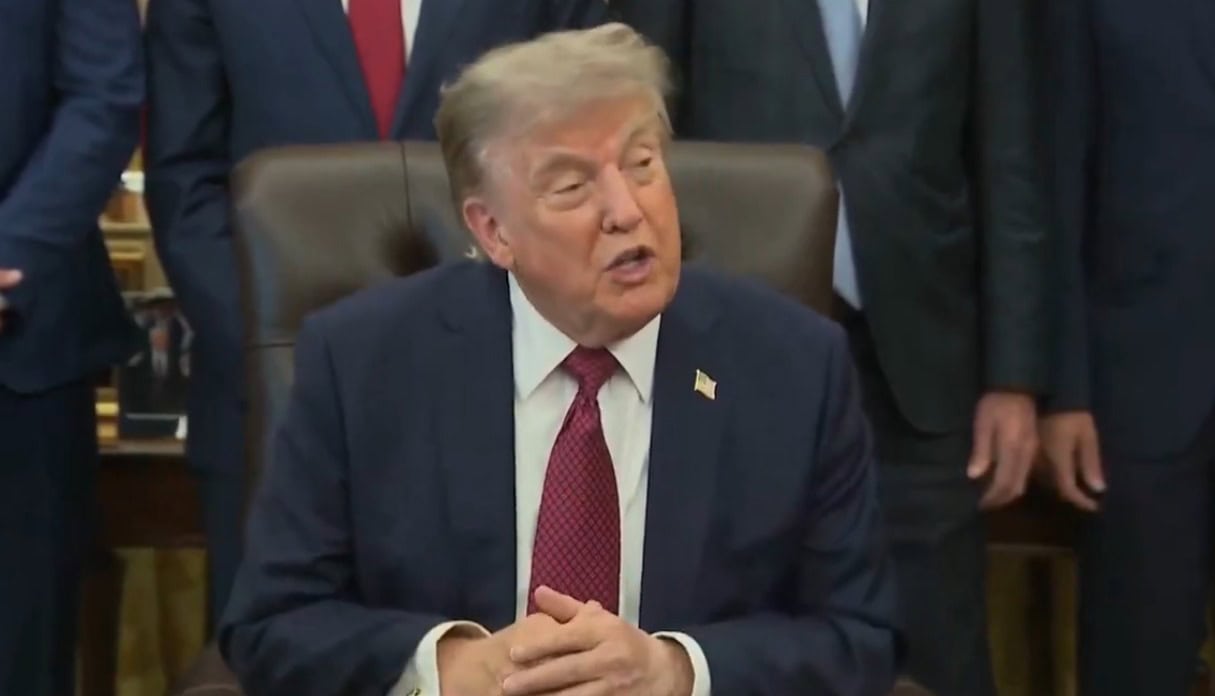
WASHINGTON – US President Donald Trump has claimed that the conflict with Iran could come to an end following the November midterm elections, while also predicting that oil prices would decline after the polls.
Trump said there was still a possibility of negotiations with Iran and indicated that his efforts regarding the country went beyond the issue of a nuclear agreement.
The US president also said he would discuss restrictions imposed on Israeli settlements in the West Bank with Israel.
Meanwhile, oil prices remained elevated after international benchmark Brent crude moved above the $100-a-barrel mark. Market participants were preparing for the possibility of further disruptions to supplies as the conflict between Iran and the United States intensified.
Brent crude was reported at around $101.10 a barrel, while US West Texas Intermediate stood near $96.24.
US aircraft reportedly damaged in Jordan
US media reports said several American military aircraft were damaged in missile strikes on the Muwaffaq Salti Air Base in Jordan two days earlier.
According to CBS reporter Jennifer Jacobs, an A-10 Thunderbolt aircraft was hit by an Iranian missile, resulting in the destruction of one of its wings.
The reports also said around eight F-15 fighter jets sustained minor damage. The aircraft were subsequently repaired and returned to service.
Earlier reports had also indicated that the US military had begun moving helicopters out of the Muwaffaq Salti airbase in Jordan.
Iran rejects US accusations
Iran, meanwhile, said Washington must end what it described as destabilising intervention in the region if it genuinely seeks peace.
Iranian Foreign Ministry spokesperson Esmaeil Baghaei rejected US Secretary of State accusations concerning Yemen’s Ansarullah movement.
Baghaei said Ansarullah was an independent Yemeni organisation that made its own decisions and did not take instructions from another party. He also rejected the description of the group as a proxy.
According to the Iranian spokesperson, US military involvement and what he called hegemonic policies were the main sources of instability in the region.
Baghaei argued that peace in Yemen could not be achieved through military strikes or external pressure, saying lasting peace would require genuine negotiations based on a roadmap agreed upon by all sides.
About the Author